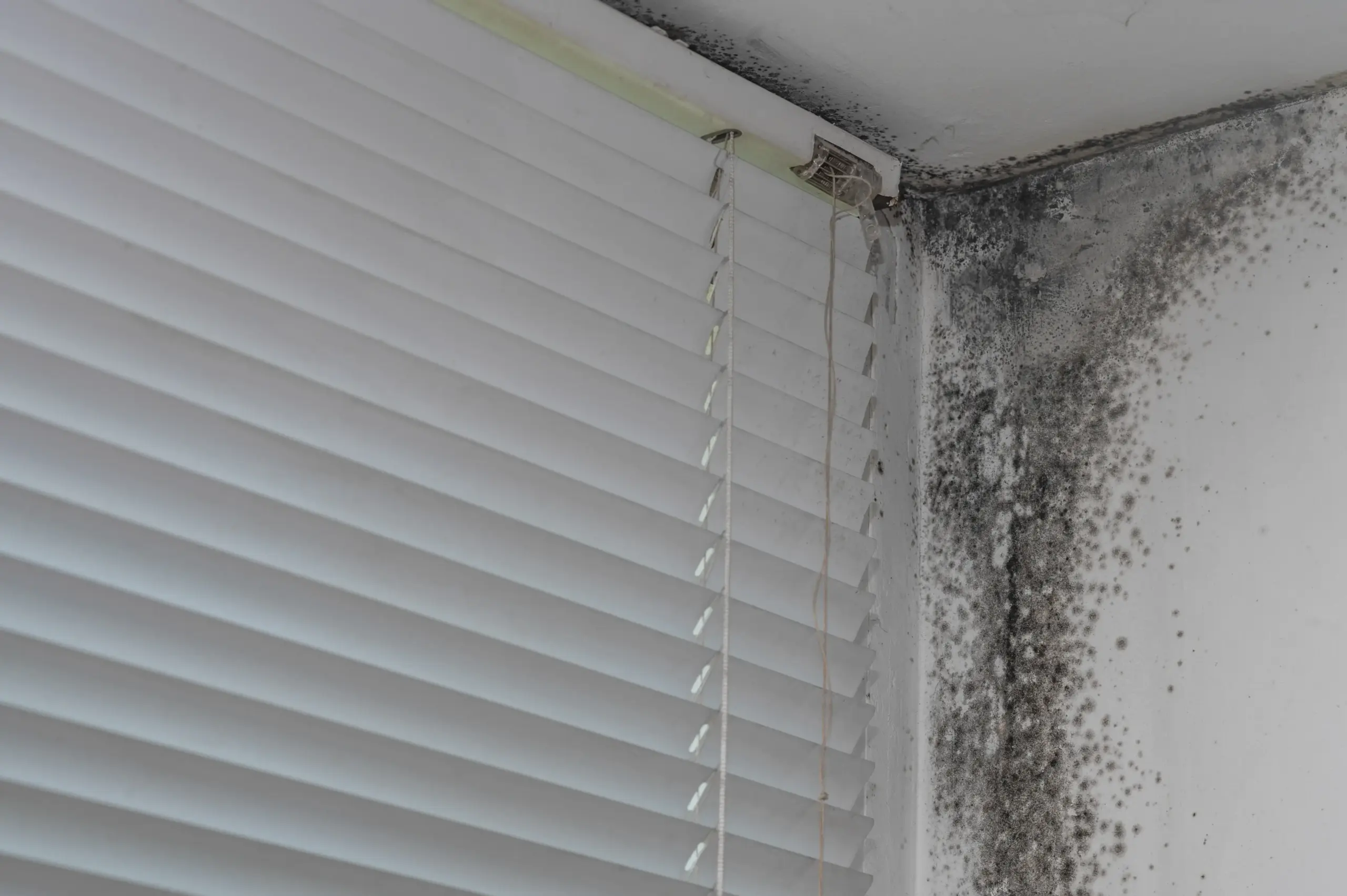
What does house mold smell like is a question many homeowners ask when they notice unusual odors inside their property. Mold often produces a distinct smell before visible growth appears, making odor one of the earliest warning signs. Understanding these smells helps homeowners identify potential moisture problems and address them before damage spreads.
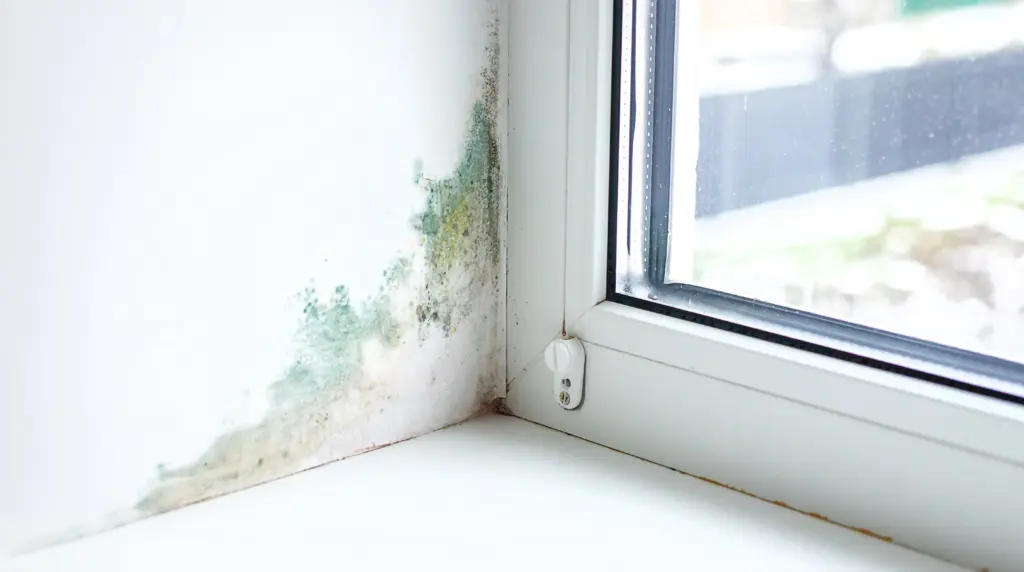
Why Mold Produces a Noticeable Odor
Mold releases microbial volatile organic compounds as it grows and breaks down organic material. These compounds are responsible for the musty or earthy odors associated with mold. The strength of the smell often depends on the size of the growth and the level of moisture present.
Common Descriptions of Mold Smell
Many people describe mold odor as musty, damp, or similar to wet cardboard or soil. In some cases, the smell may resemble rotting wood or stale laundry. Recognizing these descriptions helps homeowners distinguish mold odors from everyday household smells.
Where Mold Odors Are Most Noticeable
Mold smells are often strongest in basements, bathrooms, crawl spaces, and areas with limited ventilation. Closets, attics, and rooms near plumbing lines may also trap odors. These areas commonly experience higher moisture levels, allowing mold to grow unnoticed.
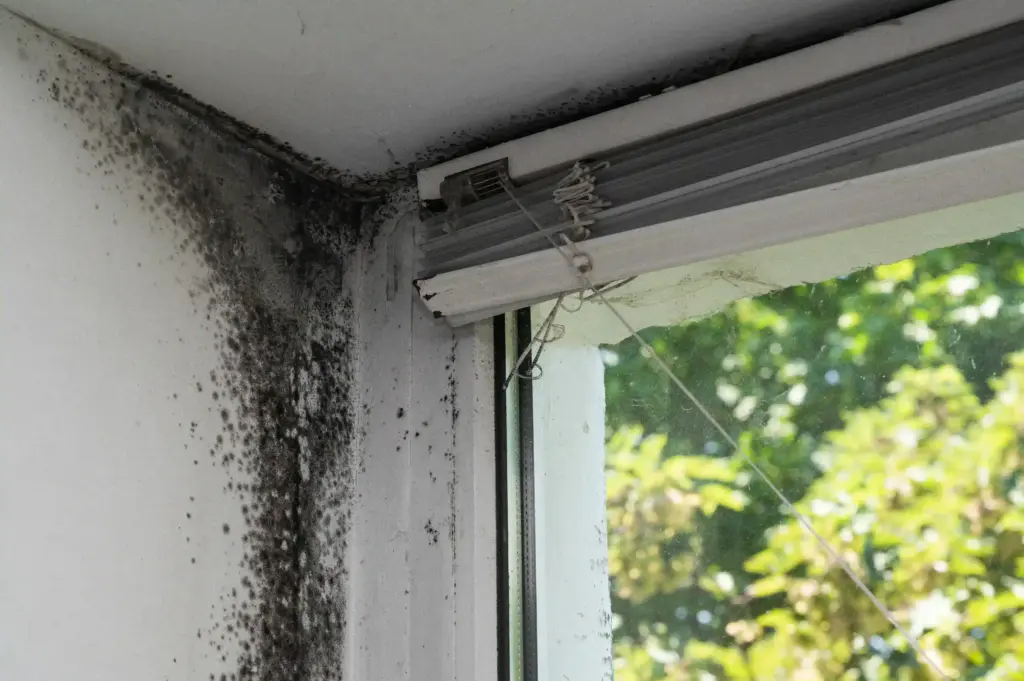
Why Mold Smell May Come and Go
Mold odors may become stronger during humid weather or after rainfall. Increased moisture allows mold to release more odor causing compounds. Changes in temperature and ventilation can also affect how noticeable the smell becomes.
Difference Between Mold Smell and Other Household Odors
Not all musty smells indicate mold. Odors from pets, old carpeting, or plumbing issues can sometimes mimic mold smells. However, persistent odors that worsen with humidity often suggest moisture related growth.
How Hidden Mold Creates Odor Without Visibility
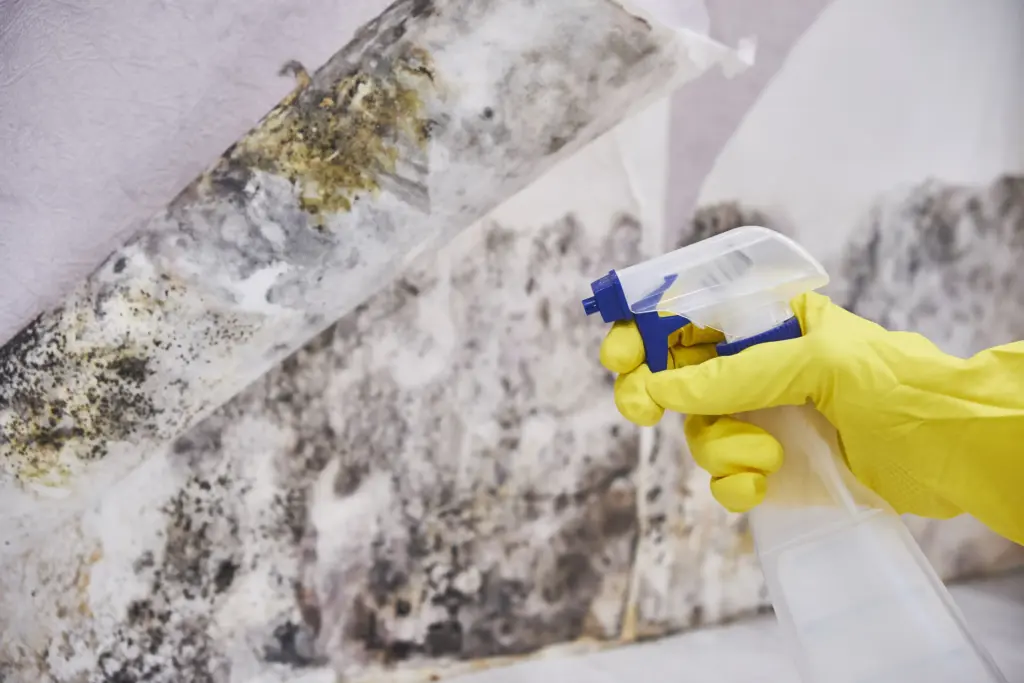
Mold can grow behind walls, under flooring, or inside HVAC systems where it is not visible. Even hidden growth can produce strong odors that travel through air pathways. This makes smell an important clue even when no mold is seen.
Health Symptoms Associated With Mold Odors
Some individuals experience headaches, irritation, or allergy symptoms when exposed to mold odors. While smell alone does not confirm health risk, it often signals conditions that deserve further evaluation.
Why Buyers Should Pay Attention to Odors
Buyers touring homes should take note of unusual odors, especially in enclosed spaces. Persistent musty smells may indicate underlying moisture or mold issues that could affect negotiations or require remediation.
Setting Expectations About Mold Odors
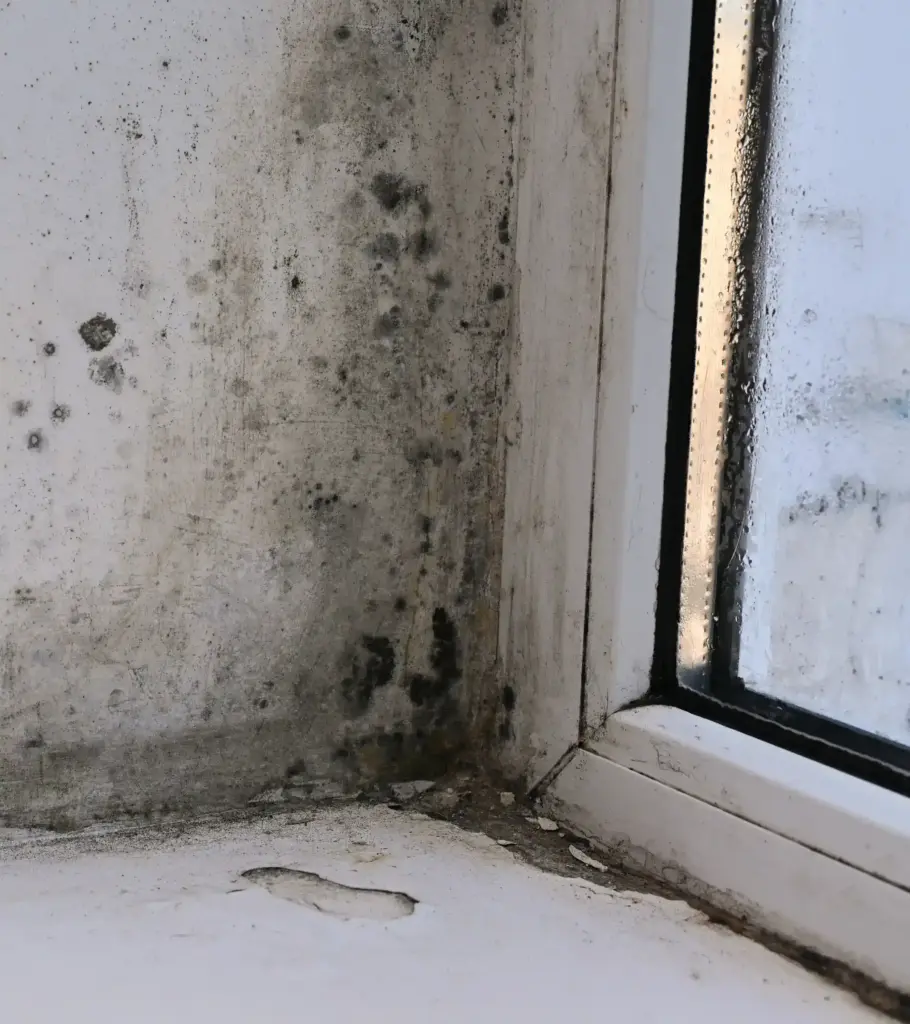
Understanding what does house mold smell like helps homeowners and buyers recognize early warning signs. Odor alone does not confirm mold presence, but it signals the need for closer inspection. When a persistent musty odor is present, the first step is to identify potential moisture sources. This may include checking for plumbing leaks, roof issues, or condensation around windows and HVAC components. Odors that remain after cleaning or ventilation often indicate hidden mold growth that requires further evaluation.
Why Odor Alone Should Not Be Ignored
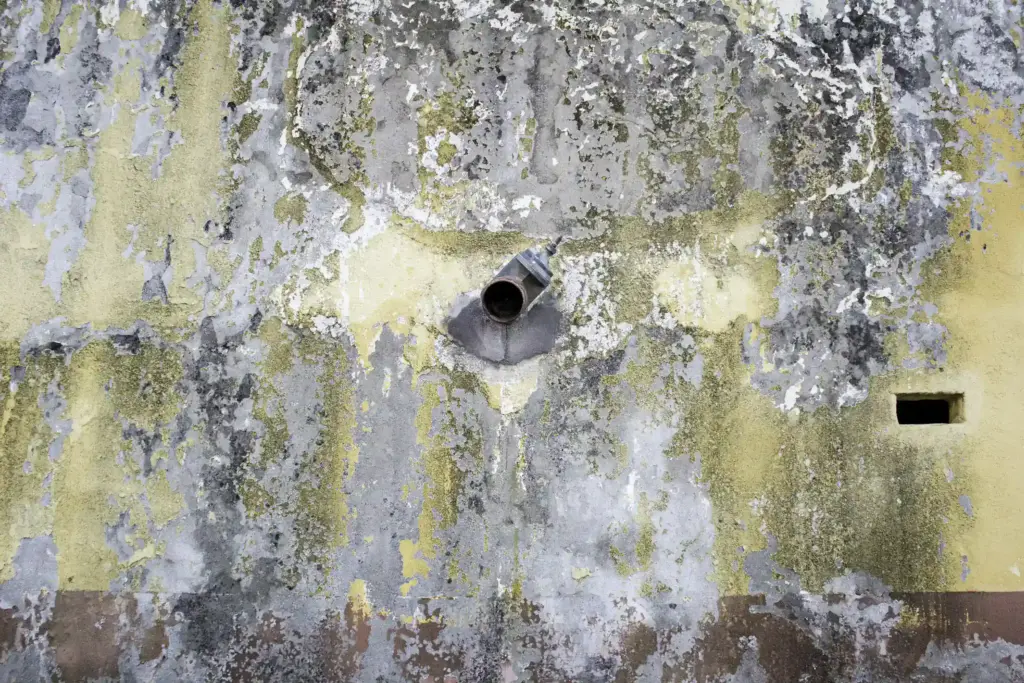
Mold odors are often the result of ongoing moisture problems. Even if no visible mold is present, the smell suggests conditions that allow growth to continue. Ignoring odor signs can allow mold to spread behind walls, beneath flooring, or inside insulation, increasing remediation costs over time.
How Inspectors Trace Mold Related Odors
Home inspectors look for moisture indicators such as staining, elevated humidity, and improper ventilation when mold odors are reported. While inspectors do not perform laboratory testing, they document conditions that may support mold growth and recommend further evaluation when appropriate.
Hidden Mold and Air Circulation
Odors caused by hidden mold often move through a home via air circulation systems and wall cavities. This is why smells may be stronger in certain rooms even if the mold source is elsewhere. Understanding airflow patterns helps explain why mold odors may seem inconsistent.
When Mold Odors Suggest Professional Evaluation
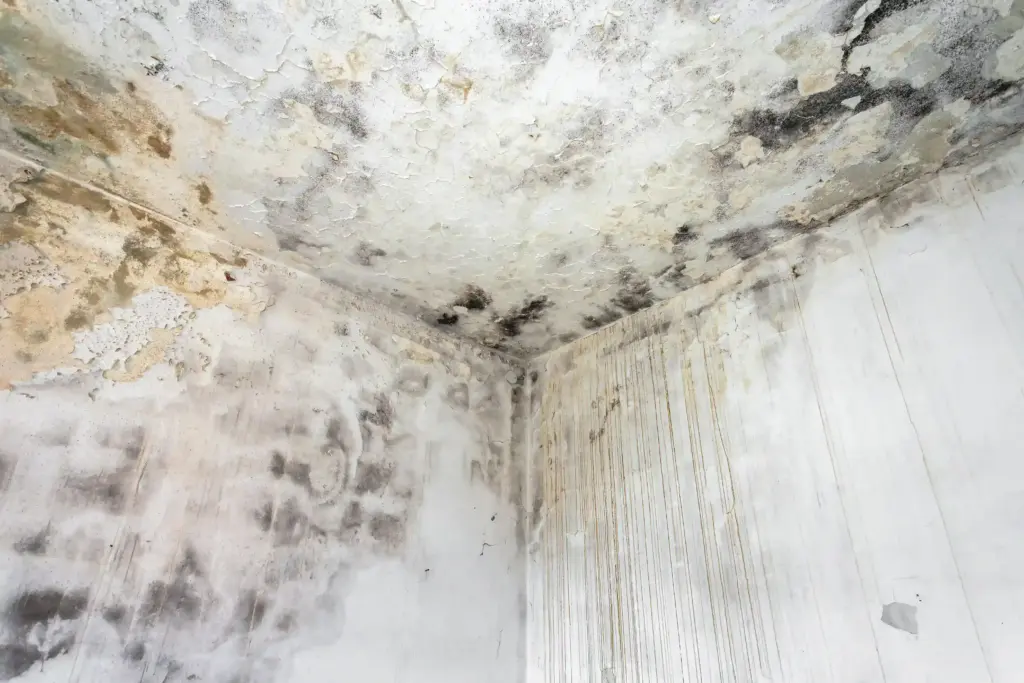
If mold odors persist despite cleaning and moisture control efforts, professional evaluation may be necessary. Long term exposure to damp conditions increases the likelihood of concealed mold. General indoor air quality information from environmental health guidance explains why early evaluation is important.
Mold Smell During Home Showings
Buyers who notice mold odors during showings should document when and where the smell is strongest. These observations can be shared with inspectors and agents to ensure targeted evaluation. Odors in basements or closets often warrant closer inspection.
How Mold Odors Affect Real Estate Decisions
Mold related smells can influence buyer confidence and negotiations. Odors may prompt buyers to request inspections, remediation, or pricing adjustments. Understanding what odors indicate helps keep discussions focused on facts rather than assumptions.
Why Ventilation Alone Is Not a Solution
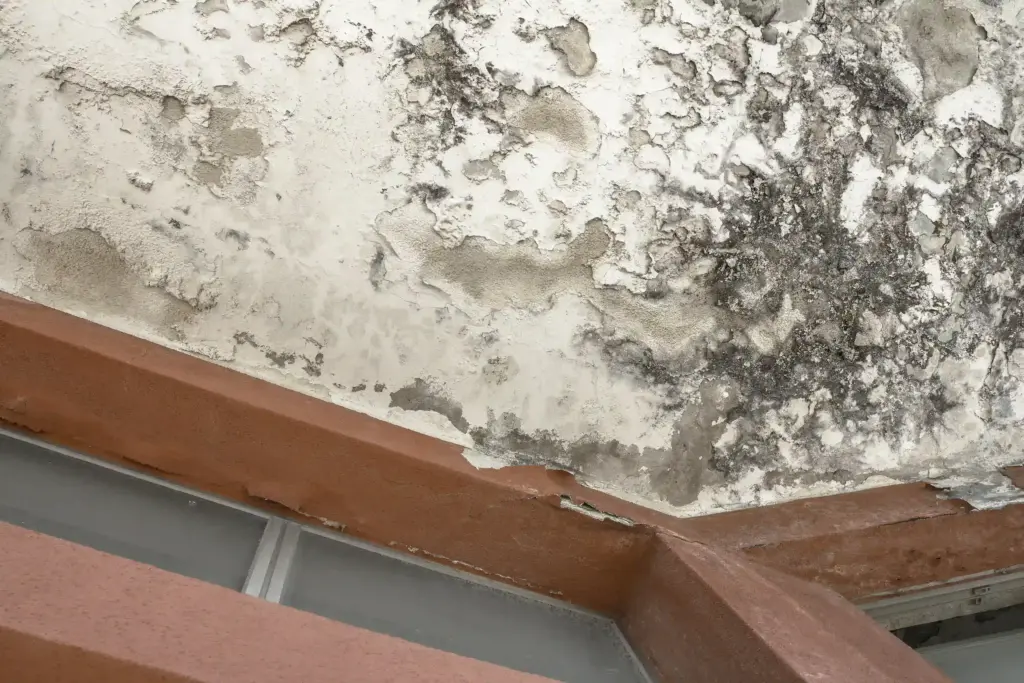
While ventilation may temporarily reduce odor strength, it does not eliminate mold growth. Odors often return once humidity rises again. Addressing the moisture source remains the only reliable way to resolve the issue long term.
Using Inspection Reports To Address Mold Smell
Inspection reports provide documentation of moisture conditions and suspected mold related issues. Buyers and sellers can use this information to plan remediation or seek specialist evaluation. Health related insights from public health resources reinforce the importance of addressing indoor mold conditions.
Conclusion
What does house mold smell like is an important question because odor is often the first sign of hidden moisture problems. Musty or earthy smells should never be ignored, especially when they persist or worsen with humidity.
For homeowners, buyers, and real estate professionals throughout Northeast Ohio, Icon Home Inspectors brings over a decade of experience identifying moisture conditions and mold related concerns during professional inspections. Their expertise helps clients recognize warning signs early and take informed action before buying or selling a home.