When buying or selling a home, one of the most common questions is how long home inspection take. The home inspection process is an essential part of any real estate transaction, providing a detailed understanding of the property’s condition before closing the deal. Knowing how long an inspection takes helps buyers, sellers, and real estate agents plan better and avoid delays. The actual duration depends on several factors, including the size of the home, its age, the number of systems and components being checked, and the inspector’s methods.

Purpose of a Home Inspection
Before diving into how long a home inspection takes, it helps to understand its purpose. A professional home inspection gives buyers insight into the property’s safety, structure, and mechanical systems. It helps identify hidden problems that could lead to expensive repairs later. The inspection also gives sellers a chance to fix issues before listing their property. Certified inspectors such as those at Icon Home Inspectors in Northeast Ohio assess everything from the foundation to the roof, including electrical, plumbing, HVAC, and structural integrity.
According to Wikipedia, a home inspection is a non-invasive examination of a property’s condition, conducted by a licensed inspector. The report helps buyers make informed decisions about the purchase and negotiations. The depth and thoroughness of this process play a large role in determining how long home inspection take for any property.
Average Duration of a Typical Home Inspection
On average, a standard home inspection takes between two and four hours to complete. Smaller homes may require less time, while larger or older homes with multiple systems and structures can take longer. The total time depends on the size, age, and condition of the property. A modern two-bedroom home in good shape might be completed in around two hours, but a century-old house with an attic, basement, and detached garage could easily take twice as long.
Home inspectors follow a systematic approach. They evaluate the exterior first, including roofing, siding, and drainage. They then inspect the foundation, followed by interior elements such as plumbing, heating systems, and electrical components. Because every system must be tested and documented, thorough inspections cannot be rushed. Companies like Icon Home Inspectors take the time necessary to deliver accurate, detailed reports so clients can move forward with confidence.
The inspection report itself is usually completed within 24 hours after the site visit. The time it takes to receive the report may vary depending on how detailed the findings are or how many issues were discovered during the inspection.

Factors That Influence How Long Home Inspection Take
Several factors influence the length of a home inspection. The most significant factor is the size of the home. Larger homes naturally require more time because there are more rooms, systems, and features to inspect. A 1,000-square-foot condominium may take about 90 minutes, while a 4,000-square-foot house could take up to five hours or more. Inspectors must carefully check each room, ensuring every element meets safety and quality standards.
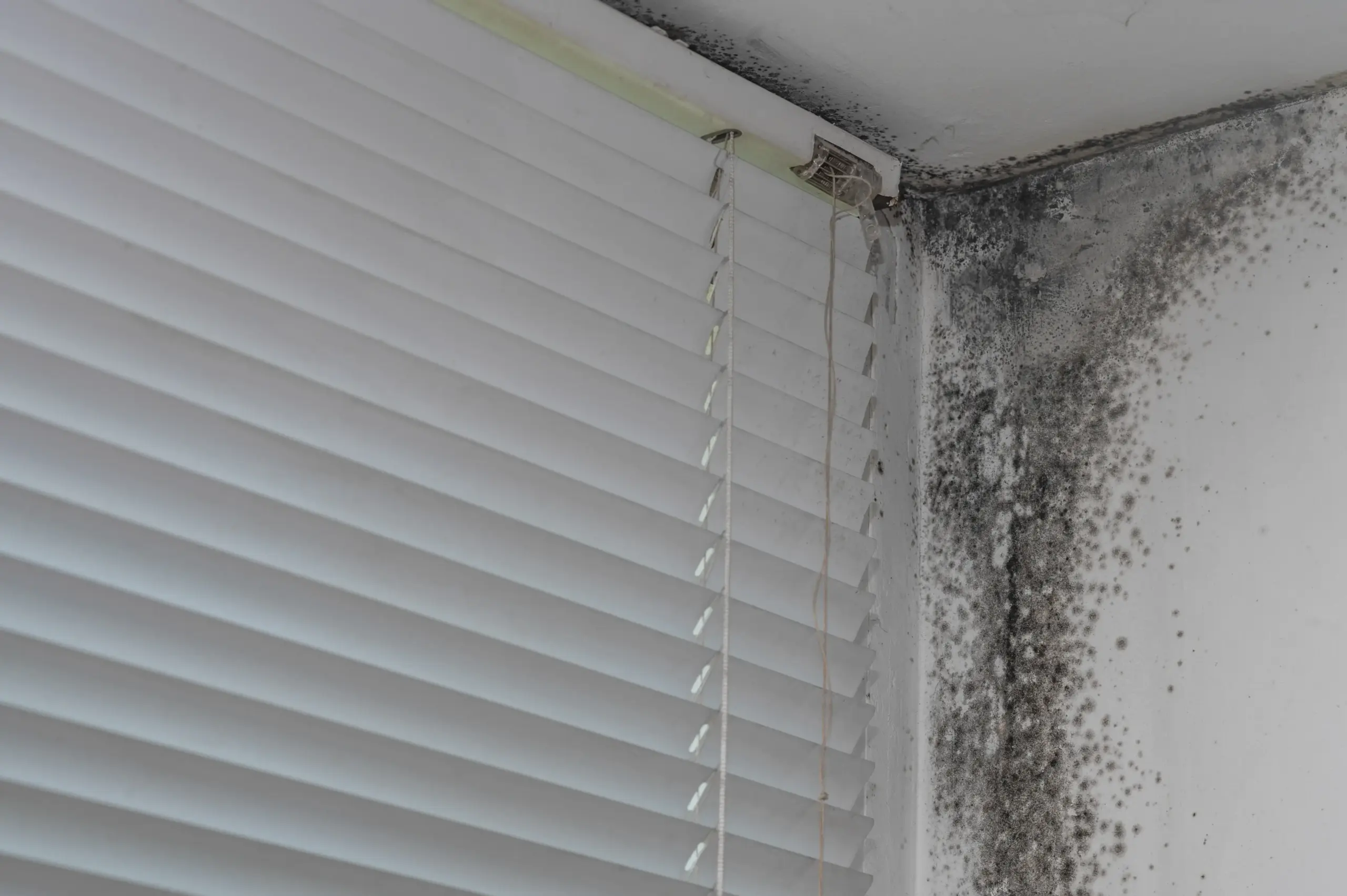
The age of the home also matters. Older homes tend to have outdated systems, previous repairs, or materials that need closer evaluation. For example, an older home might have galvanized plumbing or outdated wiring that requires detailed documentation. Weather can also affect how long an inspection takes. Rain, snow, or poor lighting may delay exterior evaluations or require rescheduling certain portions of the inspection. Another factor is the number of specialized systems within the home. Houses with pools, outbuildings, or complex HVAC systems take more time to inspect. In some cases, specialized inspections such as termite, radon, or mold evaluations are performed separately, extending the total time but ensuring complete coverage.
How Inspectors Approach a Home Inspection
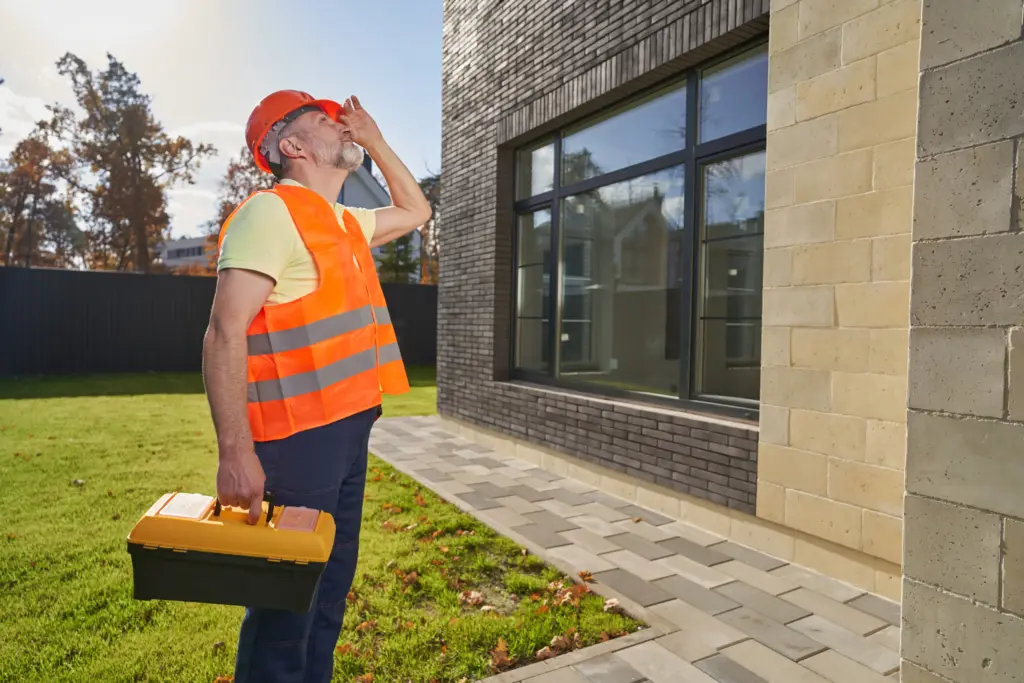
Understanding the process can help homeowners anticipate how long home inspection take. Inspectors usually begin with the exterior, examining roofing materials, gutters, downspouts, and drainage systems. They look for visible cracks, leaks, or water damage that could affect the foundation. Once the exterior is complete, the inspector moves indoors to check structural integrity, plumbing fixtures, and electrical outlets.
Every major system is tested for function and safety. The heating and cooling systems are turned on, plumbing lines are checked for leaks, and electrical panels are inspected for proper wiring. The inspector also evaluates attic insulation, ventilation, and signs of water intrusion. The goal is to ensure the home’s major components operate efficiently and safely. This careful process is what determines the amount of time needed to complete an accurate inspection. At Icon Home Inspectors, certified professionals use advanced tools like moisture meters and thermal imaging cameras to detect issues not visible to the naked eye. These tools make the inspection more thorough and reliable, although they can add a small amount of time to the total duration.
When Additional Inspections Are Needed
Sometimes, the main inspection reveals potential problems that require further testing. For example, if signs of water damage, mold, or structural shifting are detected, additional evaluations may be necessary. These follow-up inspections are often recommended by the home inspector to ensure the issue is fully understood before closing on the property. While these additional checks can extend how long home inspection take overall, they provide critical information that can save homeowners from major repair costs later.
In homes with septic systems, wells, or solar panels, separate specialized inspections may also be scheduled. Each of these components requires expertise beyond a general home inspection. Working with a company that offers comprehensive services, such as Icon Home Inspectors, ensures that all systems are properly evaluated by qualified professionals without unnecessary delays. According to the BBC, thorough home evaluations play a key role in helping buyers avoid post-purchase regrets. Taking a little extra time to ensure a complete inspection can make the difference between a smooth closing and a costly repair later on.
Why Rushing a Home Inspection Is a Mistake
It can be tempting to rush through the inspection process, especially in competitive real estate markets where time is limited. However, cutting corners can lead to missed issues that cost far more than a short delay ever would. When buyers ask how long home inspection take, the best answer is that it should take as long as necessary to do it correctly. An extra hour spent identifying electrical hazards or water damage could save thousands in future repair bills.
Inspectors who take their time are more likely to uncover small problems that could become major concerns later. Whether it’s an uneven foundation, moisture intrusion, or aging HVAC equipment, discovering these issues early gives buyers leverage in negotiations. Rushed inspections, on the other hand, often overlook details that affect a home’s long-term safety and value. That’s why reputable companies like Icon Home Inspectors focus on accuracy rather than speed. Their certified inspectors spend the necessary time on every system to ensure that the client receives a complete and precise report.
How to Prepare for a Home Inspection
Homeowners can help reduce the total time of an inspection by preparing the property in advance. Clearing access to the attic, basement, electrical panels, and crawl spaces allows the inspector to move efficiently. Ensuring that all utilities are on and that appliances are functional can also save time. When sellers make the property inspection-ready, the process runs more smoothly and quickly, without compromising the quality of the evaluation.
Buyers should also plan to attend the inspection. Being present allows them to ask questions and understand the findings directly from the inspector. This interaction not only helps them learn more about the home’s systems but also makes it easier to interpret the final report. Having firsthand knowledge of the property’s condition can speed up decision-making and reduce confusion after the inspection is complete. With preparation and cooperation between all parties, the inspection process can be completed efficiently while maintaining accuracy and professionalism.
Why Every Minute Matters During a Home Inspection
Every stage of a home inspection adds valuable information to the final report. The inspector’s detailed review gives buyers a complete picture of what they are purchasing. Taking the time to check each component ensures that nothing is overlooked, from small plumbing leaks to structural weaknesses. Understanding how long home inspection take also helps buyers and sellers plan negotiations more effectively and move toward closing with confidence.
For sellers, a thorough inspection provides an opportunity to make repairs that could improve market value. For buyers, it offers reassurance that they are investing in a safe and well-maintained property. Whether you are buying or selling, the inspection timeline is an important part of the transaction and should never be rushed or underestimated. In Northeast Ohio, weather and regional construction styles can affect how long an inspection takes. Experienced inspectors from Icon Home Inspectors are familiar with local conditions, which allows them to perform precise and efficient evaluations while still taking the time needed for accuracy.
Conclusion
So, how long home inspection take? While every property is unique, most inspections last between two and four hours, depending on size, age, and complexity. What matters most is that the inspection is done thoroughly, not quickly. A careful, detailed inspection ensures that no problems are missed and that both buyers and sellers have confidence in the property’s true condition.
For homeowners and buyers throughout Northeast Ohio, Icon Home Inspectors provides accurate, professional inspections that prioritize quality and detail. Their team of certified experts delivers clear, comprehensive reports designed to help clients make informed decisions. Whether you’re buying, selling, or investing, schedule your home inspection today and move forward with confidence, knowing every part of your home has been carefully evaluated.