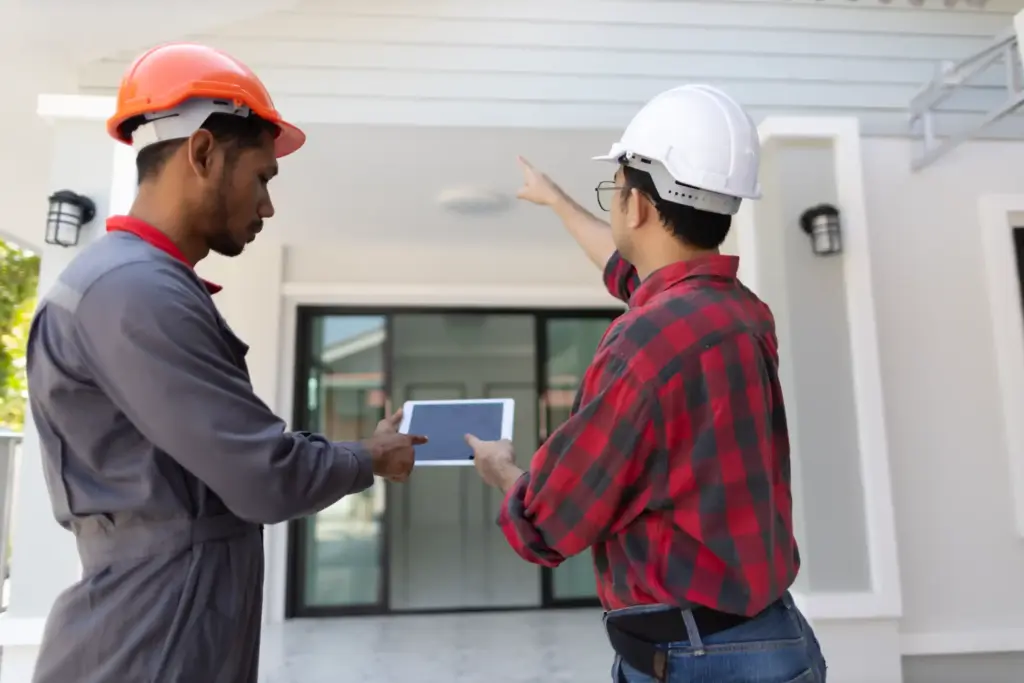
When to walk away after home inspection is one of the most important questions a buyer can ask during a real estate transaction. A home inspection reveals the true condition of a property, sometimes uncovering issues that were not visible during showings or disclosed by the seller. While many inspection findings can be addressed through repairs or negotiation, some problems raise serious concerns that may justify walking away from the deal entirely.
Why Home Inspections Change Buyer Decisions
A home inspection provides objective information that allows buyers to reassess their purchase decision. Inspection findings can confirm that a home is a solid investment or expose risks that significantly alter its value. Understanding when to walk away after home inspection helps buyers avoid emotional decisions and focus on long-term financial and safety considerations.
Structural Issues That Signal Serious Risk
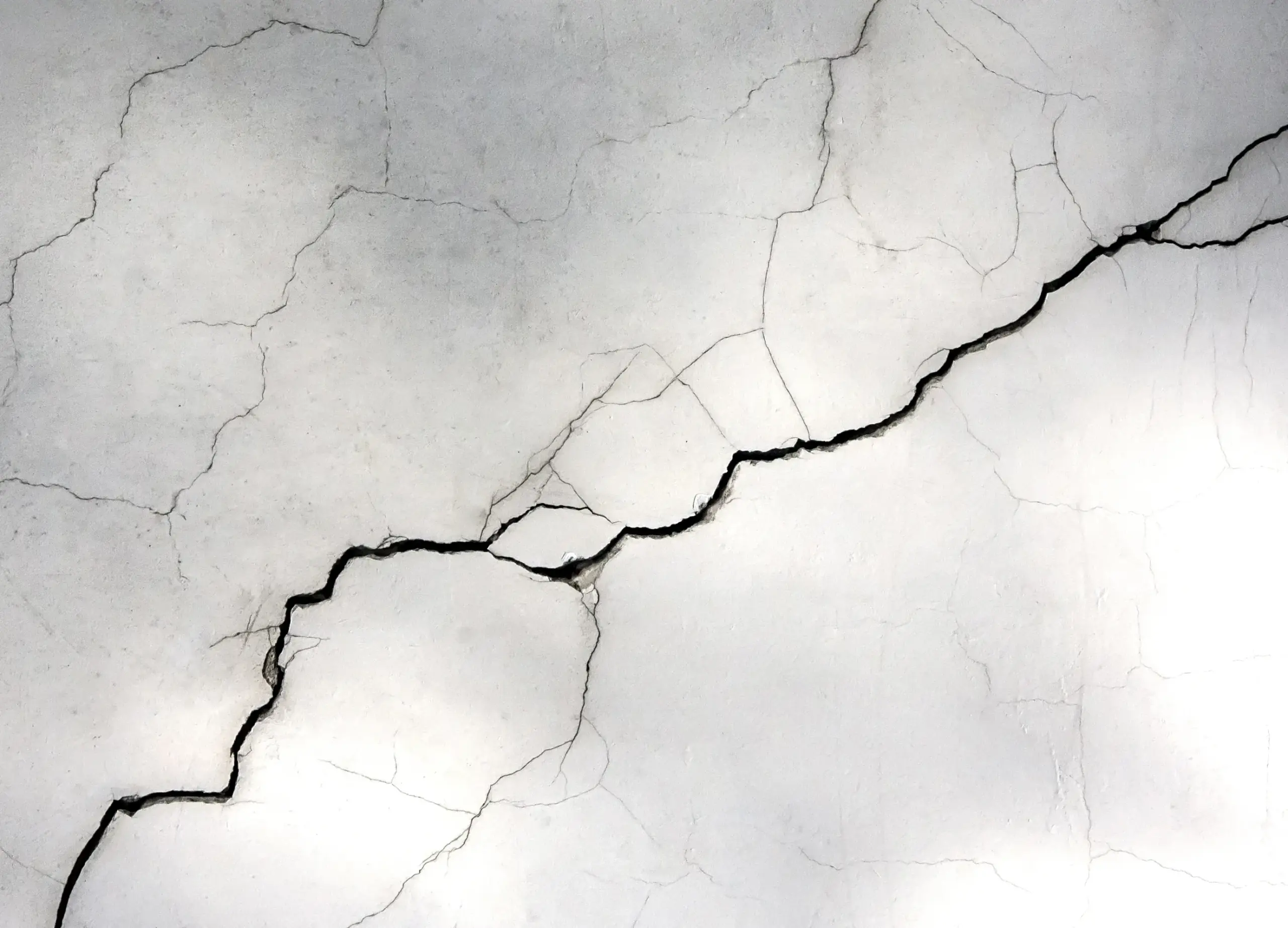
Structural problems are among the most common reasons buyers consider walking away. Issues such as significant foundation movement, major cracks, or evidence of ongoing structural failure often indicate expensive repairs. When inspection findings suggest that structural integrity is compromised, knowing when to walk away after home inspection becomes critical.
Extensive Water Damage and Moisture Intrusion
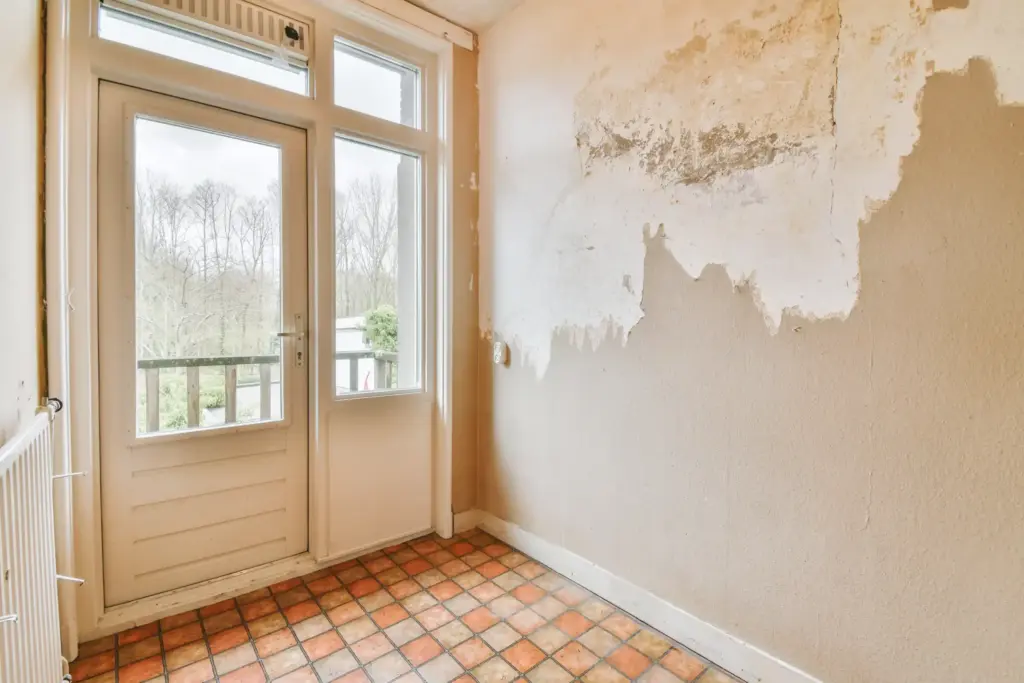
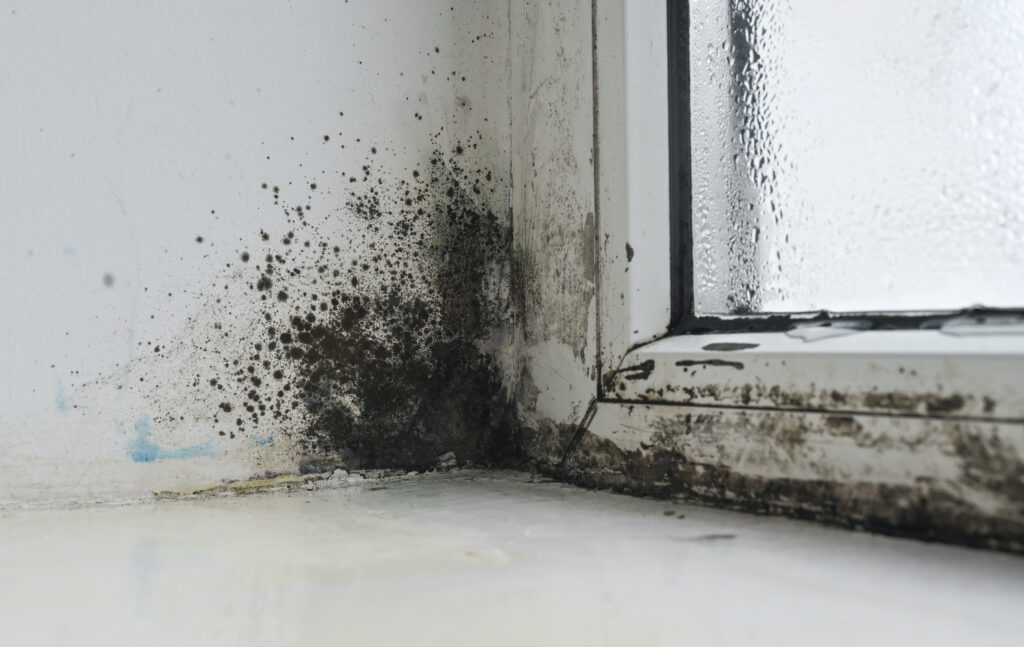
Water damage is another major red flag. Persistent moisture intrusion, active leaks, or widespread mold growth can indicate long-term issues with drainage, roofing, or plumbing. These conditions often require costly remediation and may continue to worsen if not properly addressed. In these situations, buyers must seriously consider when to walk away after home inspection.
Electrical Hazards and Safety Concerns
Electrical issues that pose safety risks should never be ignored. Outdated wiring, overloaded panels, improper connections, or evidence of fire hazards can require extensive upgrades. When inspection findings reveal electrical conditions that threaten occupant safety, walking away may be the most responsible decision.
Plumbing Failures and Hidden Damage
Plumbing problems uncovered during an inspection can range from minor leaks to widespread system failures. Corroded pipes, failing sewer lines, or evidence of recurring leaks behind walls can result in major repair costs. Buyers evaluating when to walk away after home inspection should consider whether plumbing issues are isolated or systemic.
Roofing Problems Beyond Normal Wear
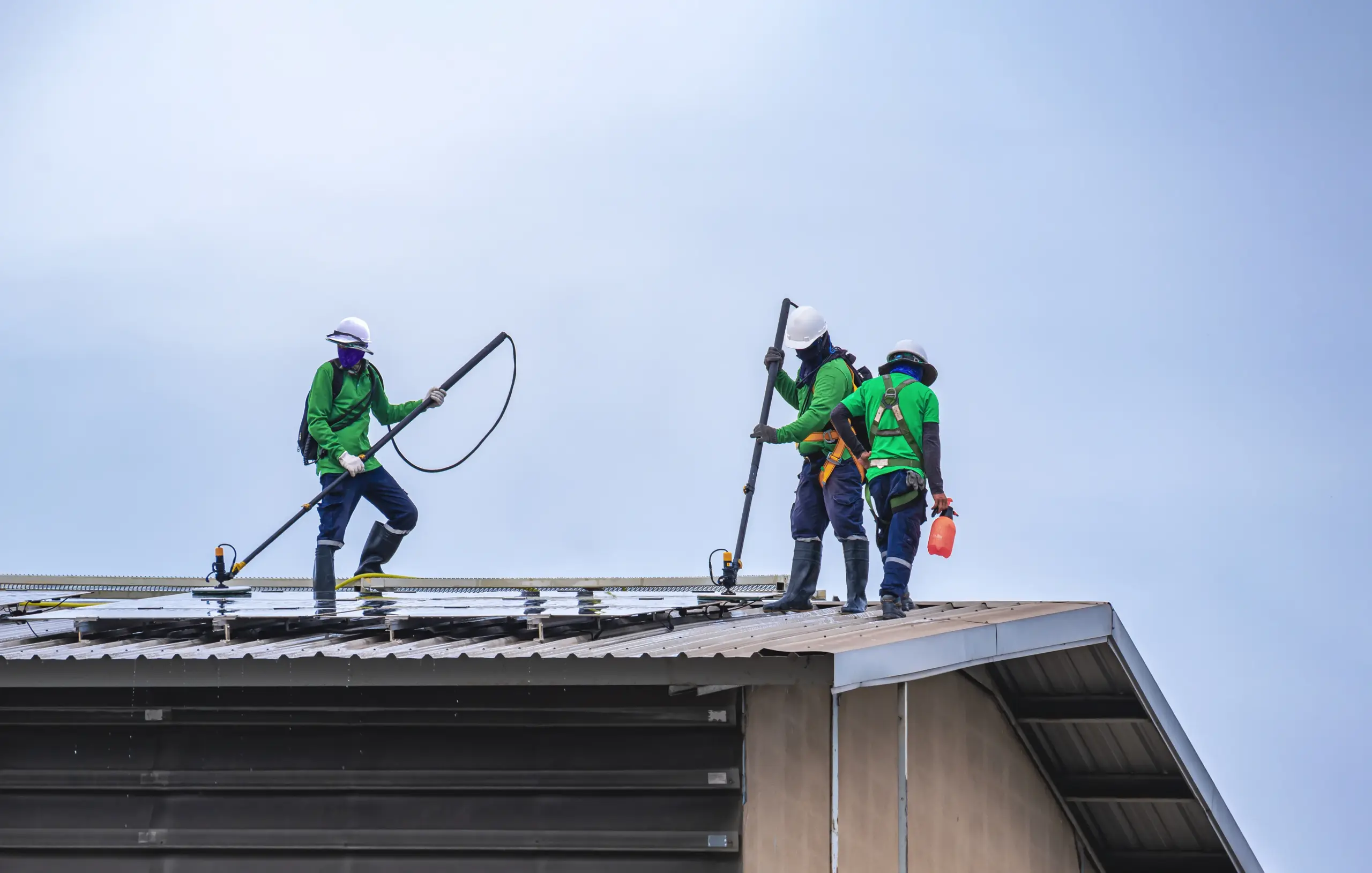
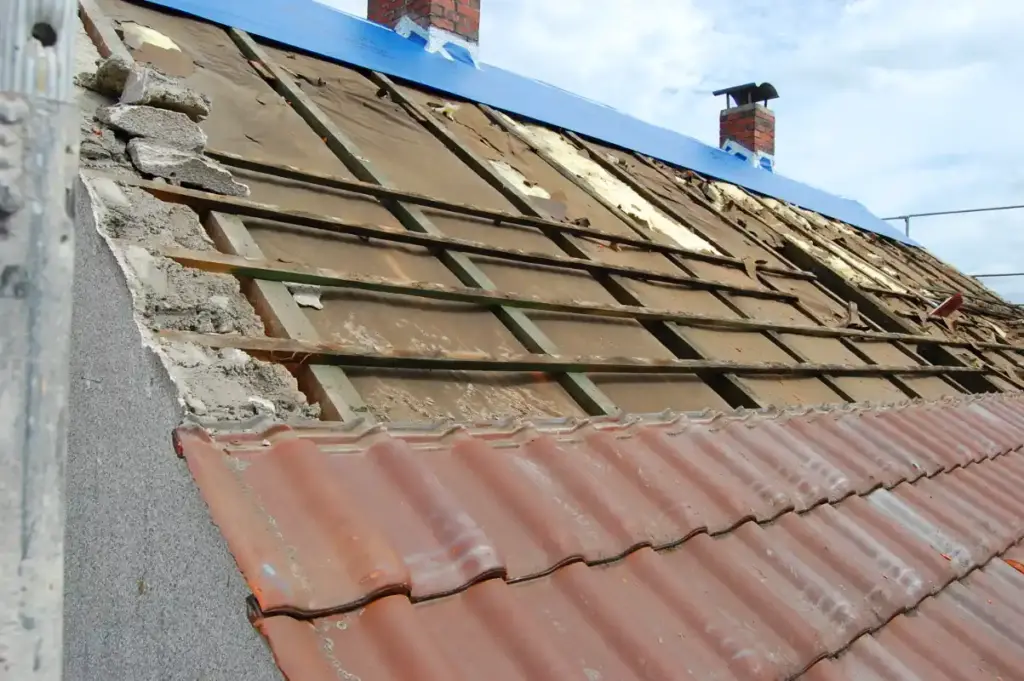
Roof issues are common inspection findings, but not all roof problems justify walking away. However, extensive roof damage, improper installation, or signs of repeated water intrusion may indicate deeper issues. When roof conditions suggest ongoing leaks or structural impact, buyers must weigh whether repairs are realistic or too costly.
HVAC Systems Near the End of Service Life
Heating and cooling systems nearing the end of their service life are not uncommon, but replacement costs can be significant. When inspections reveal multiple major systems that will soon require replacement, buyers should consider whether the overall investment still makes sense. This assessment plays a key role in deciding when to walk away after home inspection.
Unpermitted or Improper Renovations
Unpermitted renovations discovered during an inspection can create legal and financial risk. Improper structural changes, electrical work, or plumbing modifications may not meet safety standards. Buyers should carefully evaluate when to walk away after home inspection if correcting these issues would require extensive reconstruction.
Environmental and Health Related Concerns
Environmental hazards such as mold, asbestos, or lead-based materials raise serious health concerns. While some issues can be managed, widespread contamination or unsafe conditions may require professional remediation. Understanding the scope of these hazards helps buyers decide whether walking away is the safest option.
Repair Requests That Sellers Refuse
Negotiation is a normal part of the inspection process, but seller response matters. When sellers refuse to address major defects or offer reasonable concessions, buyers must reassess their position. In these cases, knowing when to walk away after home inspection protects buyers from accepting undue risk.
Financial Impact of Inspection Findings
Inspection findings should be evaluated in the context of total investment. When repair costs exceed what a buyer is comfortable absorbing, walking away may be the most financially responsible choice. Understanding when to walk away after home inspection helps buyers avoid overextending their budget.
How Inspection Findings Can Affect Financing
Inspection findings can influence financing even when lenders do not require an inspection as part of loan approval. Serious defects may cause buyers to reconsider moving forward or lead to additional requirements tied to insurance approval and underwriting review. Understanding when to walk away after home inspection helps buyers avoid reaching the final stages of financing only to face complications that could delay or cancel closing.
Insurance Limitations After Major Defects Are Found
Insurance providers may restrict or deny coverage when inspections reveal elevated risk conditions such as aging roofs, unsafe electrical systems, or recurring water intrusion. Without insurance, most mortgage loans cannot proceed, making it critical for buyers to factor insurability into their decision when evaluating whether continuing with the purchase makes sense.
Long Term Resale Implications
Problems uncovered during an inspection do not disappear after purchase and often resurface during future resale. Structural defects, chronic moisture issues, or unsafe systems can reduce marketability and limit buyer interest. Buyers who understand when to walk away after home inspection protect their long term investment and avoid inheriting issues that may be difficult to disclose or resolve later.
Emotional Attachment Versus Practical Risk
Emotional attachment can make it difficult for buyers to assess inspection findings objectively. Professional inspections introduce facts that help buyers separate personal preference from financial and safety risk. Relying on documented findings allows buyers to make decisions grounded in reality rather than emotion.
When Repair Costs Exceed Market Value
A clear signal for when to walk away after home inspection occurs when estimated repair costs exceed the property’s realistic market value. Investing heavily in foundational, structural, or system wide repairs rarely results in equal value recovery and can create long term financial strain.
Patterns of Deferred Maintenance
Inspection reports sometimes reveal patterns of neglect rather than isolated defects. Multiple aging systems, repeated water damage, and poor quality repairs indicate ongoing maintenance issues. These patterns often suggest higher future costs and increased ownership risk.
Contractual Rights and Inspection Contingencies
Inspection contingencies exist to protect buyers by allowing them to renegotiate or withdraw based on inspection results. Exercising this right is not a failure but a safeguard built into the transaction. Buyers who understand their rights can act confidently when inspection findings justify walking away.
Buyer Protection and Informed Decision Making
Consumer guidance explains that inspections are designed to inform buyers rather than guarantee property condition, giving them the opportunity to evaluate risk before final commitment. This approach supports responsible decision making and reinforces the importance of inspections as a protective step.
First Time Buyers and Risk Awareness
First time buyers often benefit most from inspections because they may lack experience identifying construction or system issues. Learning when to walk away after home inspection helps new buyers avoid purchasing properties with challenges that could become overwhelming financially or emotionally.
Why Experienced Buyers Still Walk Away
Experienced buyers and investors regularly walk away from deals when inspection findings do not align with their financial or risk tolerance goals. Experience reinforces the understanding that not every property represents a good opportunity, regardless of price or location.
Professional Perspective on Walking Away
Real estate professionals recognize that walking away is sometimes the most responsible outcome. Inspections provide objective documentation that supports ethical guidance and protects clients from taking on unreasonable risk.
Conclusion
When to walk away after home inspection ultimately comes down to protecting safety, finances, and long term peace of mind. While many inspection findings can be addressed through negotiation, some conditions signal risks that are too significant to ignore. Inspections empower buyers to make informed choices and avoid costly mistakes.
For buyers and sellers throughout Northeast Ohio, Icon Home Inspectors brings over a decade of experience delivering thorough, unbiased inspections. Their expertise helps clients clearly understand property risks and make confident decisions before moving forward or choosing to walk away.