What to ask for home inspection is a critical question for buyers and sellers who want clarity, confidence, and fewer surprises during a real estate transaction. A home inspection provides valuable insight into a property’s condition, but the quality of that insight depends on asking the right questions. Buyers who understand what to ask gain a clearer picture of potential risks, while sellers benefit from transparency that helps transactions move forward smoothly.

Why Asking the Right Questions Matters
Knowing what to ask for home inspection helps ensure the inspection addresses real concerns rather than surface-level observations. Inspectors evaluate many systems, but buyer questions help focus attention on areas that may carry higher risk or long-term cost. Asking informed questions also helps buyers understand inspection findings rather than feeling overwhelmed by technical language.
Understanding the Scope of a Home Inspection
Before deciding what to ask for home inspection, buyers should understand what a standard inspection includes. Inspectors evaluate visible and accessible components such as the roof, structure, electrical system, plumbing, heating and cooling equipment, and signs of moisture intrusion. Inspections are visual and non-invasive, which means some areas may not be fully evaluated.
Questions About Roof Condition
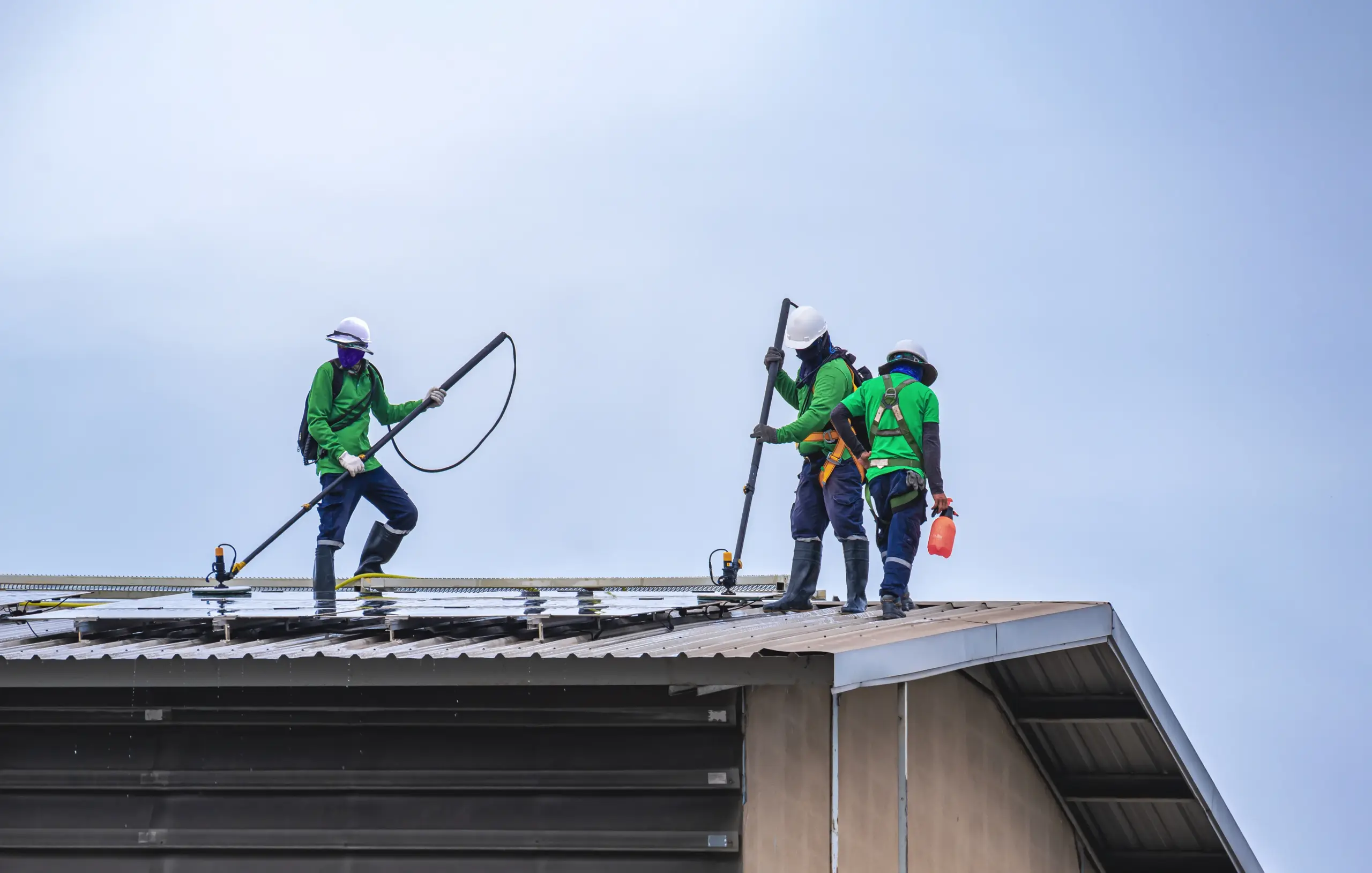
The roof protects the entire structure, making it one of the most important areas to ask about during an inspection. Buyers should ask about roof age, visible damage, remaining useful life, and signs of active leaks. Understanding roof condition helps buyers anticipate future repair or replacement costs.
Questions to Ask About Electrical Systems
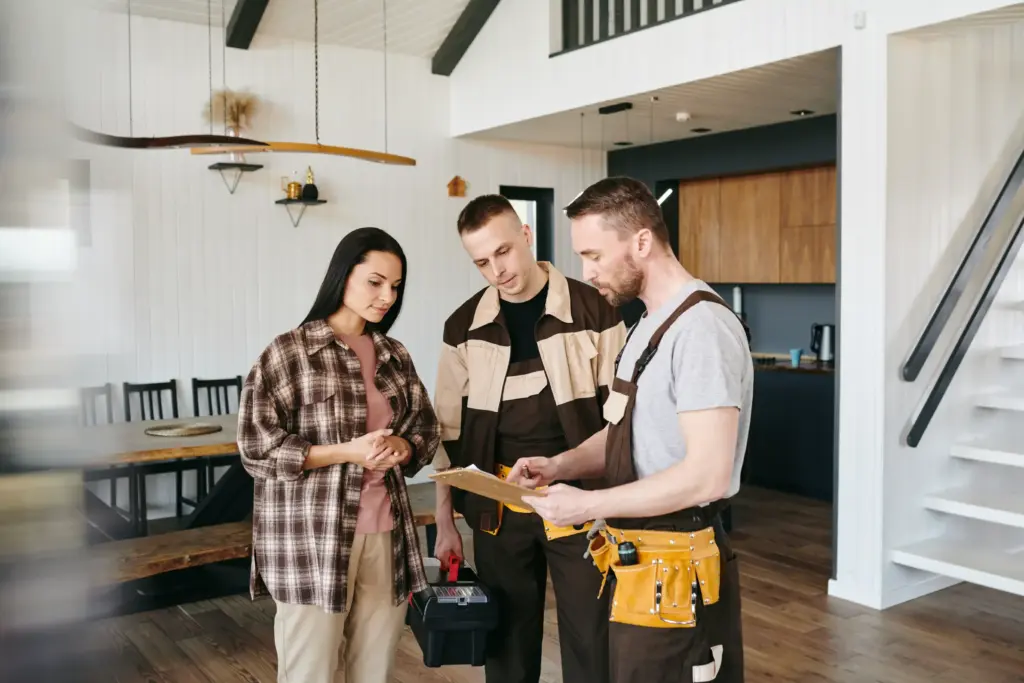
Electrical safety is a major concern for buyers. When considering what to ask for home inspection, questions about wiring type, panel condition, grounding, and visible hazards are essential. Buyers should ask whether the electrical system meets current safety standards and whether any components pose a fire risk.
Plumbing System Questions Buyers Should Ask
Plumbing issues can be costly and disruptive. Buyers should ask about pipe materials, water pressure, visible leaks, drainage performance, and water heater condition. Understanding the plumbing system helps buyers evaluate the risk of water damage and future maintenance needs.
Heating and Cooling System Questions
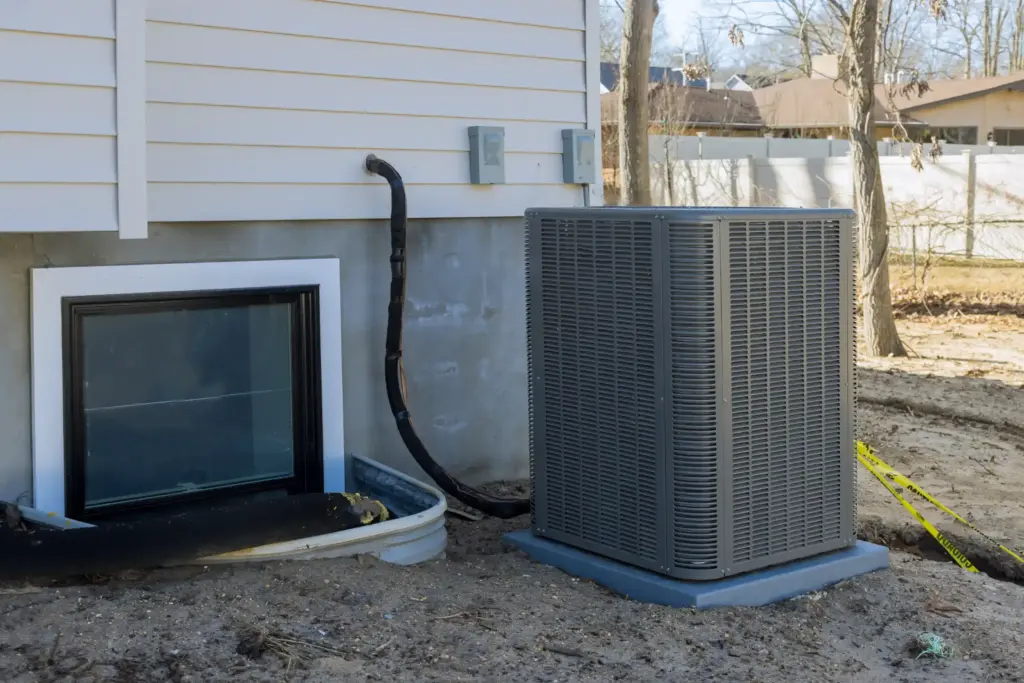
Heating and cooling systems impact comfort and energy costs. Buyers should ask about system age, functionality, and maintenance history. Knowing whether the system operates properly and how long it may last helps buyers plan for potential replacement.
Structural and Foundation Questions
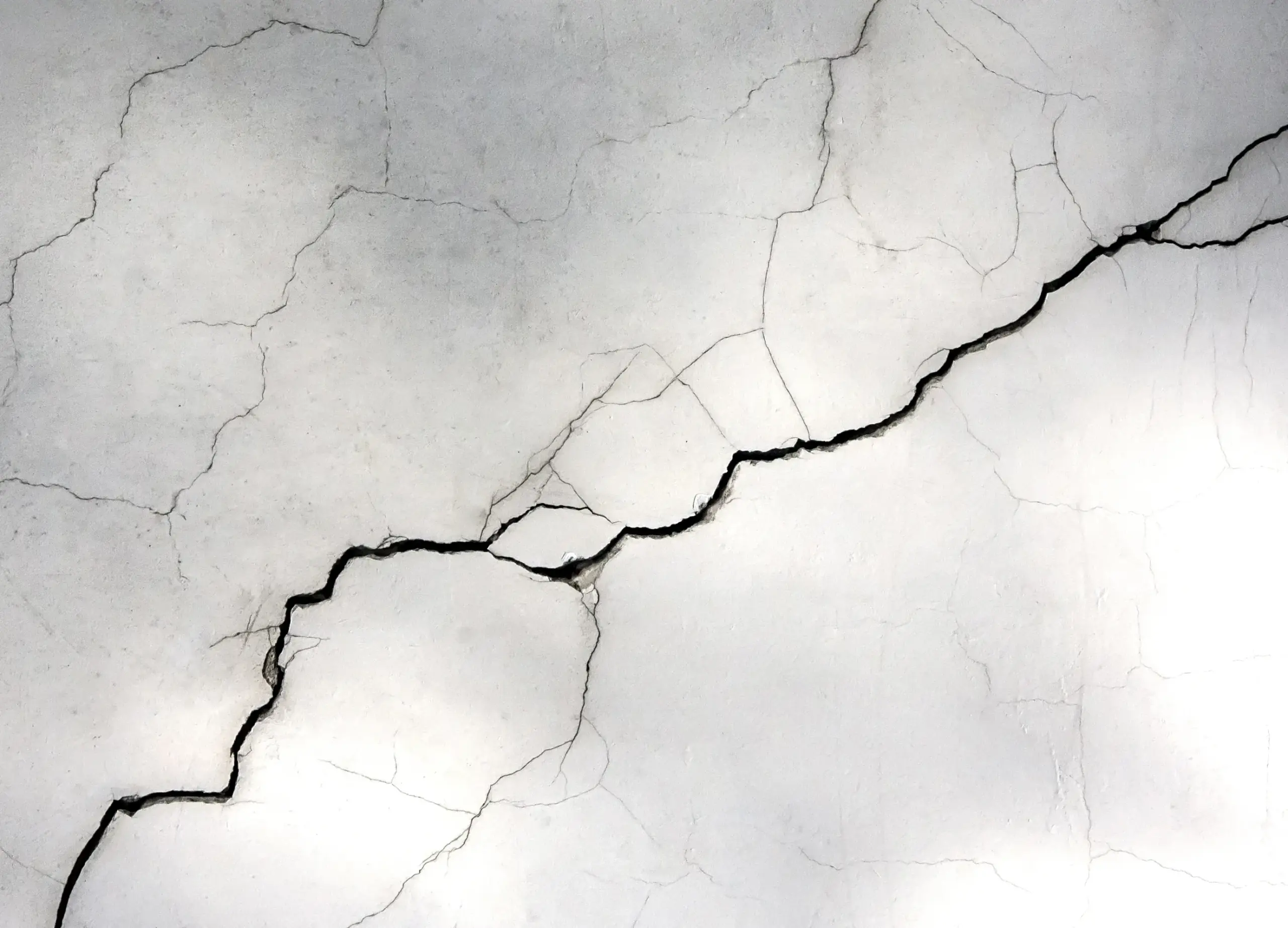
Structural integrity is a major concern for both buyers and lenders. Questions about foundation condition, visible cracks, and signs of movement are important when deciding what to ask for home inspection. Inspectors can explain whether observed issues appear cosmetic or potentially significant.
Water Intrusion and Moisture Concerns
Water damage can lead to mold growth and structural deterioration. Buyers should ask inspectors about signs of past or current water intrusion, including stains, odors, and moisture readings. Understanding moisture issues early helps prevent unexpected repair costs.
Attic and Insulation Questions
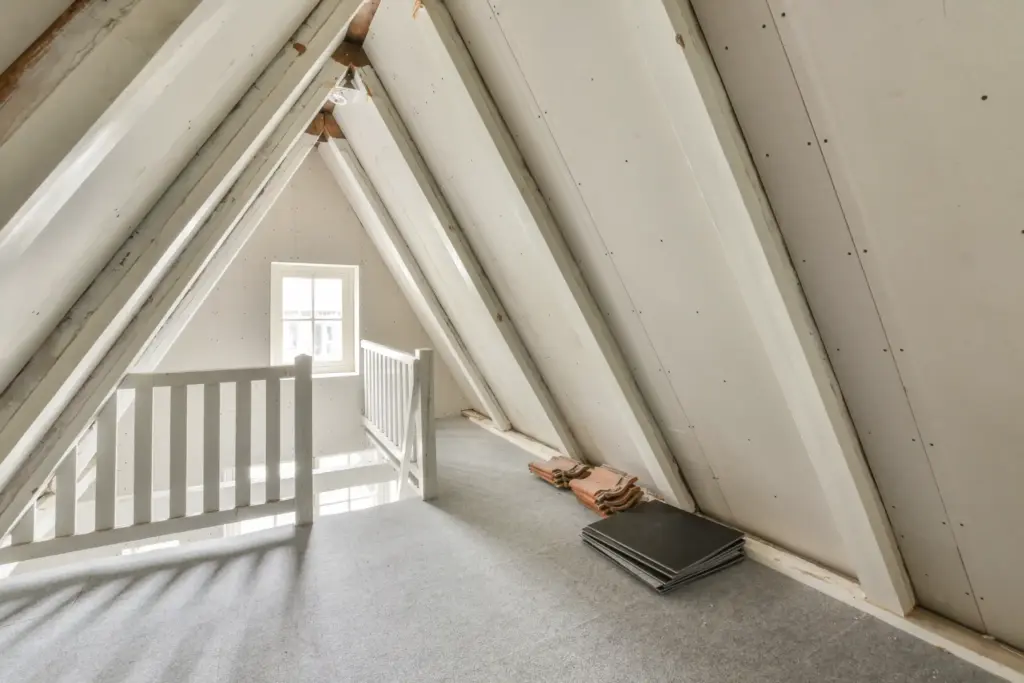
The attic often reveals important information about roof performance, ventilation, and insulation. Buyers should ask about insulation levels, ventilation adequacy, and signs of moisture or pests. These factors affect energy efficiency and long-term durability.
Questions About Safety Issues
Safety concerns should always be addressed during an inspection. Buyers should ask about missing handrails, trip hazards, improper wiring, or other conditions that could pose injury risks. Addressing safety issues early supports informed decision making.
Understanding Inspection Limitations
Knowing what a home inspection cannot cover is just as important as knowing what to ask for home inspection. Inspectors cannot see behind walls or predict future failures. Asking inspectors to explain limitations helps buyers set realistic expectations.
How Inspectors Prioritize Findings
Inspection reports often include many observations, not all of which carry the same importance. Buyers should ask inspectors which issues are most urgent and which are routine maintenance items. This clarification helps buyers focus on meaningful concerns.

Questions About Major Repairs and Life Expectancy
When deciding what to ask for home inspection, buyers should ask inspectors which components are nearing the end of their useful life. This includes roofing materials, HVAC equipment, water heaters, and electrical panels. Understanding remaining lifespan helps buyers estimate future expenses and avoid surprises shortly after moving in.
Questions That Help With Negotiations and Follow Up Evaluations
Inspection findings often influence negotiations, so buyers should ask which issues may justify repair requests or price adjustments. Knowing how inspectors classify defects as safety concerns, functional problems, or maintenance items helps buyers and agents determine what is reasonable to request from sellers.
Some inspection findings may require further evaluation by specialists. Buyers should ask whether any issues warrant review by a roofer, electrician, plumber, or structural professional. This guidance helps buyers make informed decisions before contingencies expire.

Questions About Permit and Work Quality Concerns
Buyers should ask inspectors whether visible work appears professionally completed or shows signs of poor workmanship. Improper repairs or unpermitted modifications can affect safety and future resale value. Asking these questions supports informed long-term ownership decisions.
Questions Related to Seller Disclosures and Ongoing Maintenance
Inspection findings sometimes differ from seller disclosures. Buyers should ask inspectors whether observed issues align with disclosed information. This comparison helps identify potential red flags and supports transparent negotiations.
Beyond defects, buyers should ask inspectors about routine maintenance recommendations. Knowing how often systems should be serviced or inspected helps buyers protect their investment after closing. This practical guidance adds long-term value beyond the transaction itself.

Questions That Help First Time Buyers
First time buyers benefit from asking inspectors to explain findings in plain language. Asking what issues are common for homes of similar age and construction helps new buyers feel more confident and less overwhelmed by inspection reports.
Questions That Experienced Buyers Still Ask
Experienced buyers often focus on risk and cost efficiency. They ask inspectors which issues may impact insurance coverage, financing, or resale value. Understanding these factors helps seasoned buyers prioritize repairs and investment decisions.
Questions About Inspection Report Details
Buyers should ask how inspection findings will be documented in the report. Clear photos, descriptions, and summaries help buyers communicate issues with lenders, insurers, and contractors. Well-documented reports support smoother transactions.
Questions About Timing and Urgency
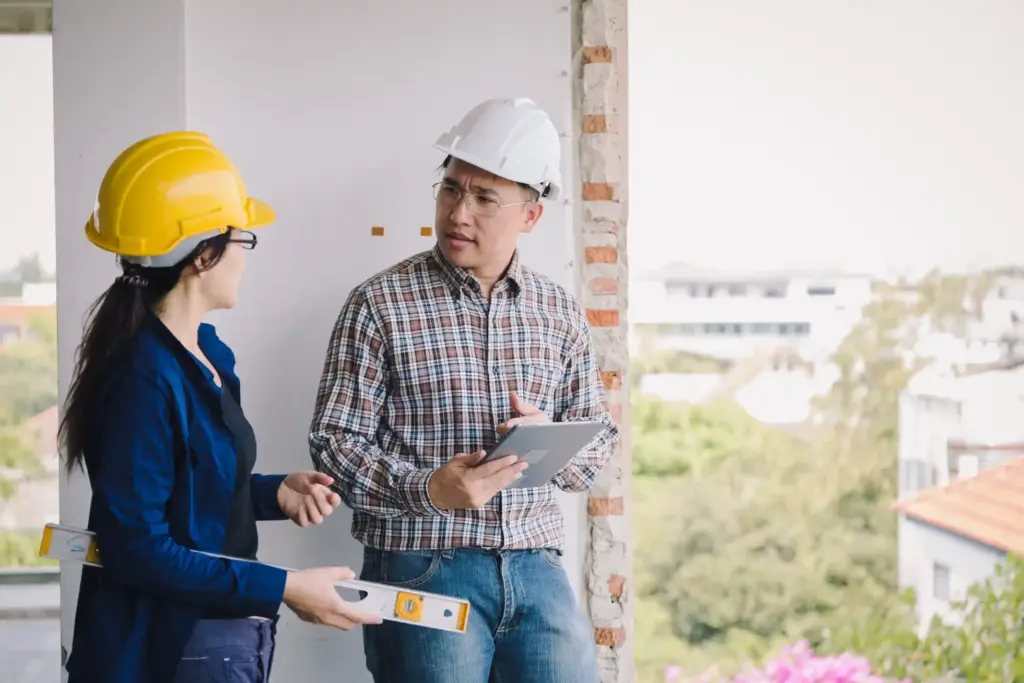
Not all inspection issues require immediate action. Buyers should ask inspectors which findings require prompt attention and which can be addressed over time. This distinction helps buyers plan repairs without unnecessary stress.
Questions About Insurance and Risk Factors
Some inspection findings may affect insurance eligibility or premiums. Buyers should ask inspectors whether any conditions commonly raise insurance concerns. Understanding these risks helps buyers avoid delays when securing coverage.
How Professional Standards Shape Inspector Answers
Licensed inspectors follow established standards of practice that guide evaluations and reporting. Understanding these standards helps buyers know what inspectors can and cannot comment on during an inspection. Consumer guidance from the Consumer Financial Protection Bureau explains the inspector’s role in protecting buyers.
Why Asking Questions Improves Transaction Outcomes
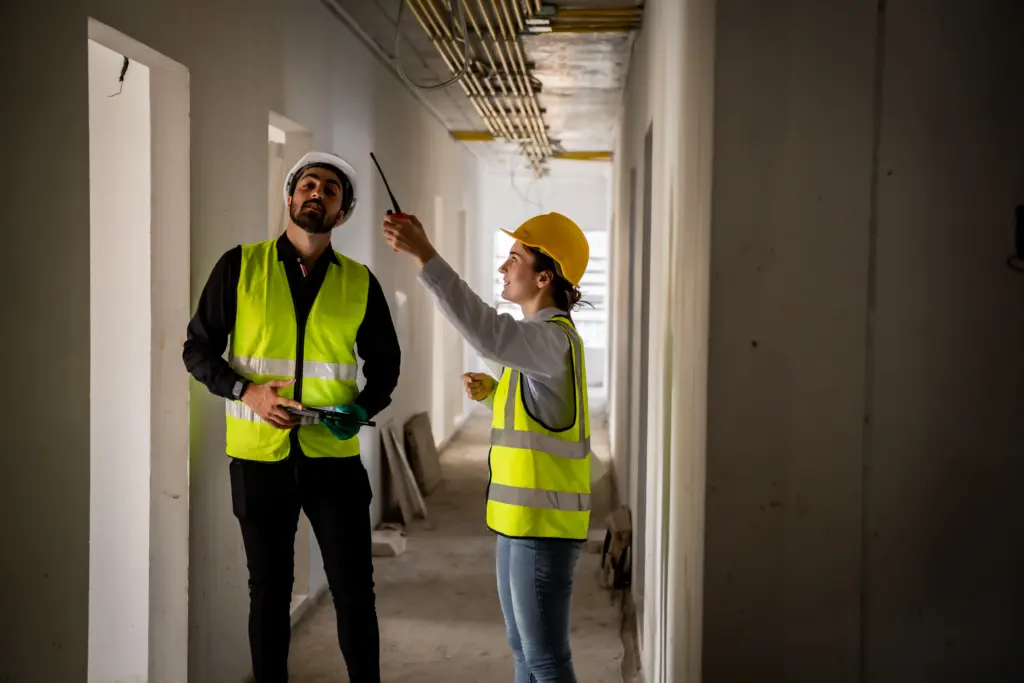
Buyers who actively engage during inspections tend to make better decisions. Asking informed questions reduces uncertainty and builds confidence throughout the buying process. Inspection education resources such as Nolo emphasize the importance of buyer understanding during inspections.
Conclusion
What to ask for home inspection is not just about identifying problems but about gaining clarity, confidence, and insight into a property’s condition. Asking the right questions helps buyers understand risks, plan repairs, and negotiate effectively while helping sellers support smoother transactions.
For homeowners, buyers, and real estate professionals across Northeast Ohio, Icon Home Inspectors brings over a decade of experience to every inspection. Their clear explanations, detailed reports, and professional standards help clients make informed decisions before buying or selling a home.