What is checked during a home inspection is one of the most important questions buyers and sellers ask during a real estate transaction. A home inspection is a comprehensive evaluation of a property’s condition, designed to identify safety concerns, functional issues, and signs of damage that may not be visible during a walkthrough. Understanding what inspectors examine helps buyers make informed decisions and helps sellers prepare their homes before listing.

The Purpose of a Home Inspection
A home inspection provides an objective assessment of a property’s major systems and components at a specific point in time. Inspectors evaluate visible and accessible areas to identify defects, safety hazards, and maintenance concerns. The goal is not to predict future failures but to document current conditions that could affect value, safety, or livability.
Structural Components of the Home
One of the first areas checked during a home inspection is the structure of the home. Inspectors evaluate the foundation, framing, floors, walls, ceilings, and support systems for signs of movement, cracking, or improper construction. Structural integrity is critical because significant defects can affect the safety and long-term stability of the property.
Foundation and Basement Areas
Inspectors closely examine foundation walls, slabs, and basement areas for cracks, water intrusion, and evidence of past repairs. They look for signs of settlement, moisture damage, and improper drainage that could lead to structural concerns. Even minor foundation issues can indicate larger problems if left unaddressed.

Roofing System and Roof Structure
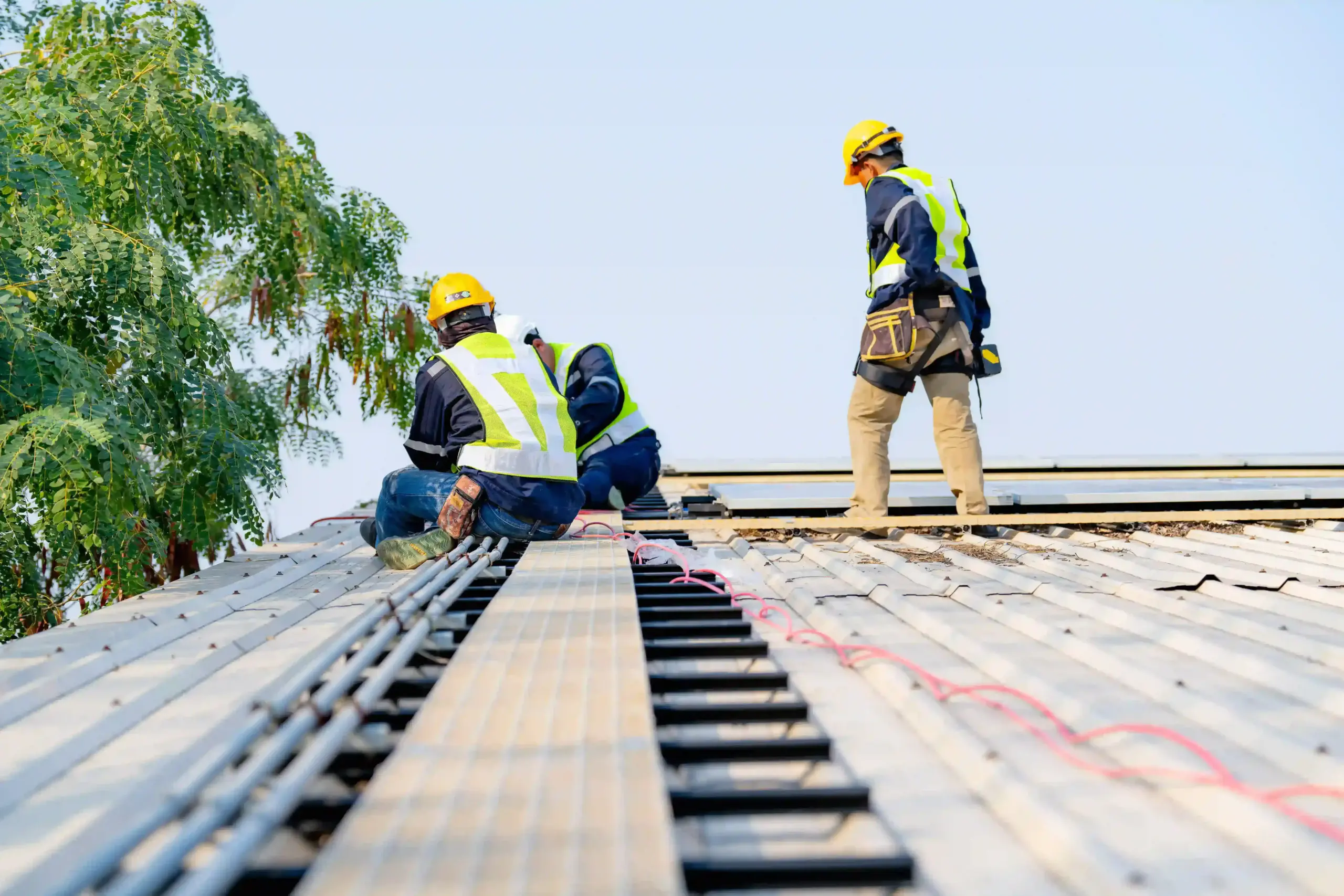
The roof is a major focus of every home inspection. Inspectors evaluate roofing materials, flashing, penetrations, and visible structural components for wear, damage, or active leaks. They also assess the roof’s remaining service life and identify conditions that could lead to water intrusion or costly repairs.
Attic and Insulation Conditions
Attic spaces are inspected for proper insulation, ventilation, and signs of moisture intrusion. Inspectors look for roof leaks, mold growth, and structural concerns that may not be visible from the living space. Adequate insulation and ventilation play a key role in energy efficiency and moisture control.
Exterior Walls and Siding
Exterior surfaces are checked for damage, deterioration, and improper installation. Inspectors examine siding, trim, windows, and doors for signs of rot, water penetration, or structural movement. Exterior conditions often provide early warning signs of moisture problems inside the home.
Windows and Exterior Doors
Windows and doors are evaluated for proper operation, sealing, and visible damage. Inspectors look for broken seals, rot, and signs of air or water leakage. Poorly functioning windows and doors can impact energy efficiency and indoor comfort.
Grading and Drainage Around the Property
Proper grading and drainage are essential to protecting the foundation. Inspectors assess how water flows away from the home and identify areas where improper grading may allow moisture to collect near the structure. Drainage issues are a common cause of basement leaks and foundation damage.
Interior Walls, Ceilings, and Floors
Inside the home, inspectors examine walls, ceilings, and floors for cracks, stains, and signs of movement or moisture intrusion. These surfaces often reveal underlying problems such as roof leaks, plumbing failures, or structural settlement.

Stairways, Railings, and Safety Features
Safety features are an important part of what is checked during a home inspection. Inspectors evaluate stairways, handrails, and guardrails to ensure they are secure and properly installed. Unsafe stair conditions can pose serious injury risks and often require correction.
Fireplace and Chimney Components
If present, fireplaces and chimneys are visually inspected for damage, proper clearances, and signs of deterioration. Inspectors check for cracked masonry, improper venting, and visible safety concerns. While inspections are visual, they often reveal conditions that warrant further evaluation by specialists.
Electrical System Evaluation
The electrical system is a critical component of what is checked during a home inspection because electrical defects can pose serious safety risks. Inspectors examine the main service panel, breakers, wiring methods, outlets, and visible connections for proper installation and signs of damage. They look for outdated components, improper wiring practices, and potential fire hazards that may require correction.
Plumbing System and Water Supply
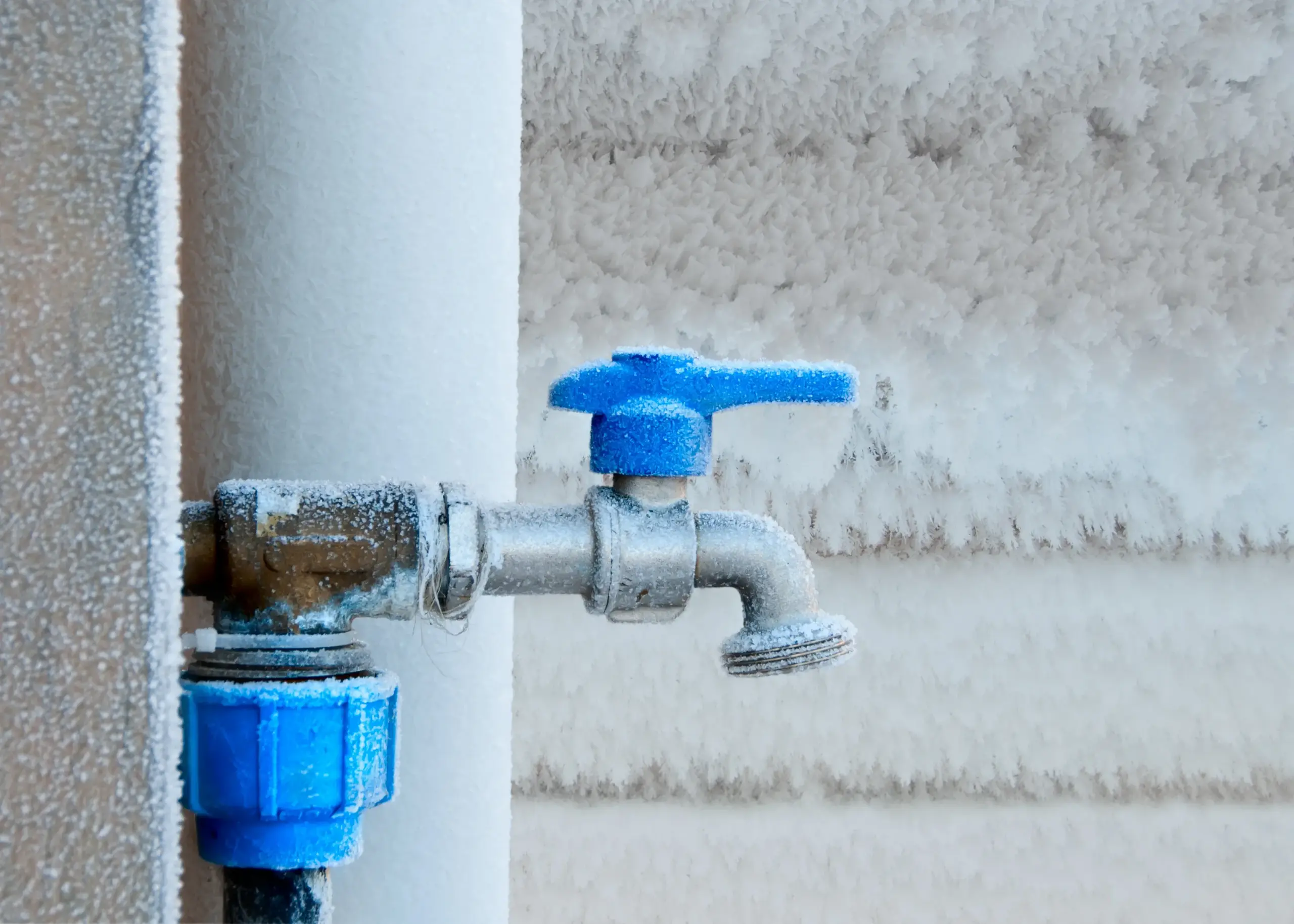
Inspectors evaluate the plumbing system by checking visible supply lines, drain lines, fixtures, and water pressure. They look for active leaks, corrosion, improper materials, and signs of previous water damage. Plumbing issues are closely reviewed because they can lead to costly repairs and long term moisture problems if left unaddressed.
Water Heater and Hot Water Delivery
The water heater is inspected for proper installation, age, venting, and visible safety concerns. Inspectors assess temperature settings, relief valves, and surrounding conditions that could affect performance or safety. Older or improperly installed water heaters are common findings during inspections.
Heating System Components
Heating systems are evaluated to confirm they operate safely and effectively. Inspectors examine furnaces, boilers, heat pumps, and visible ductwork for proper function and signs of wear. A working heating system is essential for habitability and is often required for financing and insurance approval.
Cooling and Air Conditioning Systems
Air conditioning systems are checked when weather conditions permit. Inspectors assess visible components, operation, and general condition to identify performance concerns or safety issues. Cooling systems that show signs of failure may impact comfort and future maintenance costs.
Ventilation and Exhaust Systems
Proper ventilation helps control moisture and indoor air quality. Inspectors examine bathroom fans, kitchen exhausts, dryer vents, and attic ventilation to ensure air is being directed outside the home. Poor ventilation can contribute to moisture buildup and mold growth, which is why it is an important part of the inspection process.
Built In Appliances
Built in appliances such as ranges, ovens, dishwashers, and microwaves are tested for basic operation. Inspectors confirm that appliances respond to controls and function as intended at the time of inspection. While inspections do not guarantee future performance, they help identify obvious defects.

Interior Safety Devices
Safety devices such as smoke detectors, carbon monoxide detectors, and ground fault outlets are checked during inspections. Inspectors verify their presence and basic functionality to help reduce fire and poisoning risks. Safety related findings are often prioritized during negotiations.
Moisture Intrusion and Mold Indicators
Inspectors look for visible signs of moisture intrusion such as stains, damaged materials, and elevated humidity levels. While inspections do not include laboratory testing, visible indicators may warrant further evaluation. Long term moisture exposure is a leading cause of structural deterioration and indoor air concerns.
Environmental and Health Related Observations
Although inspectors do not perform environmental testing, they may note conditions that raise concern, such as suspected asbestos containing materials or poor air circulation. Buyers seeking additional protection may pursue further evaluation through indoor air quality guidance to better understand potential risks.
Why Inspection Findings Matter to Buyers and Sellers
Understanding what is checked during a home inspection helps buyers make informed decisions and helps sellers anticipate potential repair requests. Inspection findings often influence negotiations, pricing, and buyer confidence. Clear documentation supports smoother transactions and reduces surprises.
Conclusion
What is checked during a home inspection includes the home’s structure, systems, safety features, and visible conditions that affect value and livability. A thorough inspection provides clarity, reduces risk, and helps all parties move forward with confidence. Buyers benefit from understanding the property’s condition, and sellers benefit from transparency.
For buyers, sellers, and real estate professionals throughout Northeast Ohio, Icon Home Inspectors brings over a decade of experience delivering detailed, professional inspections. Their expertise helps clients understand inspection findings clearly and make informed decisions before buying or selling a home.