What do home inspectors look for when selling a home is a critical question for homeowners preparing to list their property. A home inspection performed before or during the selling process evaluates the condition of major systems, safety features, and visible components that may affect value or buyer confidence. Understanding what inspectors examine allows sellers to address concerns early and avoid surprises that could delay or derail a sale.

The Purpose of a Pre Sale Home Inspection
A pre sale home inspection provides sellers with a clear picture of their home’s condition before it goes on the market. Inspectors evaluate visible and accessible areas to identify defects, safety concerns, and maintenance issues. This process helps sellers make informed decisions about repairs, pricing, and disclosures while improving transparency for buyers.
Structural Components Inspectors Review
One of the primary areas inspectors focus on when selling a home is the structure. This includes the foundation, framing, floors, walls, and ceilings. Inspectors look for cracks, movement, uneven surfaces, and signs of improper construction. Structural issues can raise red flags for buyers and lenders, making early identification especially important for sellers.
Foundation and Basement Conditions
Inspectors closely evaluate foundation walls, slabs, and basement spaces for signs of water intrusion, cracking, and settlement. Moisture stains, efflorescence, and previous repairs are carefully noted. These areas often influence buyer perception and negotiation, particularly if there is evidence of ongoing moisture problems.
Roof Condition and Visible Roofing Components
The roof is one of the most scrutinized components during a home inspection. Inspectors assess roofing materials, flashing, penetrations, and visible structural elements for wear, damage, or leaks. A roof nearing the end of its service life can impact negotiations and may affect insurance or financing.
Attic Spaces and Insulation
Attics are inspected for proper insulation levels, ventilation, and signs of moisture intrusion. Inspectors look for roof leaks, structural concerns, and ventilation issues that could affect energy efficiency or contribute to mold growth. Attic conditions often reveal problems that are not visible from living areas.
Exterior Surfaces and Siding
Exterior walls, siding, trim, and exterior finishes are reviewed for damage, deterioration, and improper installation. Inspectors look for signs of rot, cracking, or moisture penetration. Exterior conditions can indicate underlying issues and are an important part of what do home inspectors look for when selling a home.

Windows and Exterior Doors
Inspectors evaluate windows and doors for proper operation, sealing, and visible damage. Issues such as broken seals, rot, or air leakage are documented. These components affect energy efficiency, comfort, and security, all of which are important to prospective buyers.
Grading, Drainage, and Site Conditions
The area around the home is examined to determine how water drains away from the foundation. Inspectors look for improper grading, standing water, and drainage concerns that could lead to moisture intrusion. Poor drainage is a common issue that sellers may overlook but buyers often take seriously.
Interior Walls, Ceilings, and Floors
Inside the home, inspectors examine walls, ceilings, and floors for cracks, stains, and signs of movement or water damage. These surfaces often provide clues about roof leaks, plumbing failures, or structural settlement. Cosmetic defects are noted, but patterns of damage receive closer attention.

Stairways, Railings, and Safety Features
Safety features are an important part of inspections when selling a home. Inspectors check stairways, handrails, and guardrails for proper installation and stability. Safety concerns can affect buyer confidence and may be flagged during lender or insurance reviews.
Electrical Systems and Safety Concerns
When selling a home, inspectors carefully evaluate the electrical system because safety risks can quickly concern buyers and lenders. This includes the main service panel, breakers, wiring methods, outlets, and visible connections. Inspectors look for outdated panels, improper wiring, missing grounding, and other conditions that may increase fire risk or fail to meet modern safety expectations.
Plumbing Systems and Water Management
Plumbing components are reviewed to identify leaks, corrosion, improper materials, and water pressure concerns. Inspectors examine visible supply and drain lines, fixtures, and signs of past water damage. Plumbing issues can influence negotiations since moisture related problems may lead to costly repairs if left unresolved.
Water Heater Condition and Installation
The water heater is inspected for age, proper installation, venting, and visible safety issues. Inspectors note missing safety devices, improper connections, or units nearing the end of their service life. Water heater deficiencies often appear in inspection reports and may impact buyer confidence.
Heating System Performance
Heating systems are evaluated to confirm they operate safely and effectively. Inspectors assess furnaces, boilers, heat pumps, and visible ductwork for proper function and signs of wear. A functioning heating system is essential for habitability and is often required for financing approval.
Cooling and Air Conditioning Systems
Air conditioning systems are inspected when weather conditions allow. Inspectors check visible components and system operation to identify performance issues or safety concerns. Cooling system defects may influence buyer decisions, especially in homes where air conditioning is considered essential.

Ventilation and Moisture Control
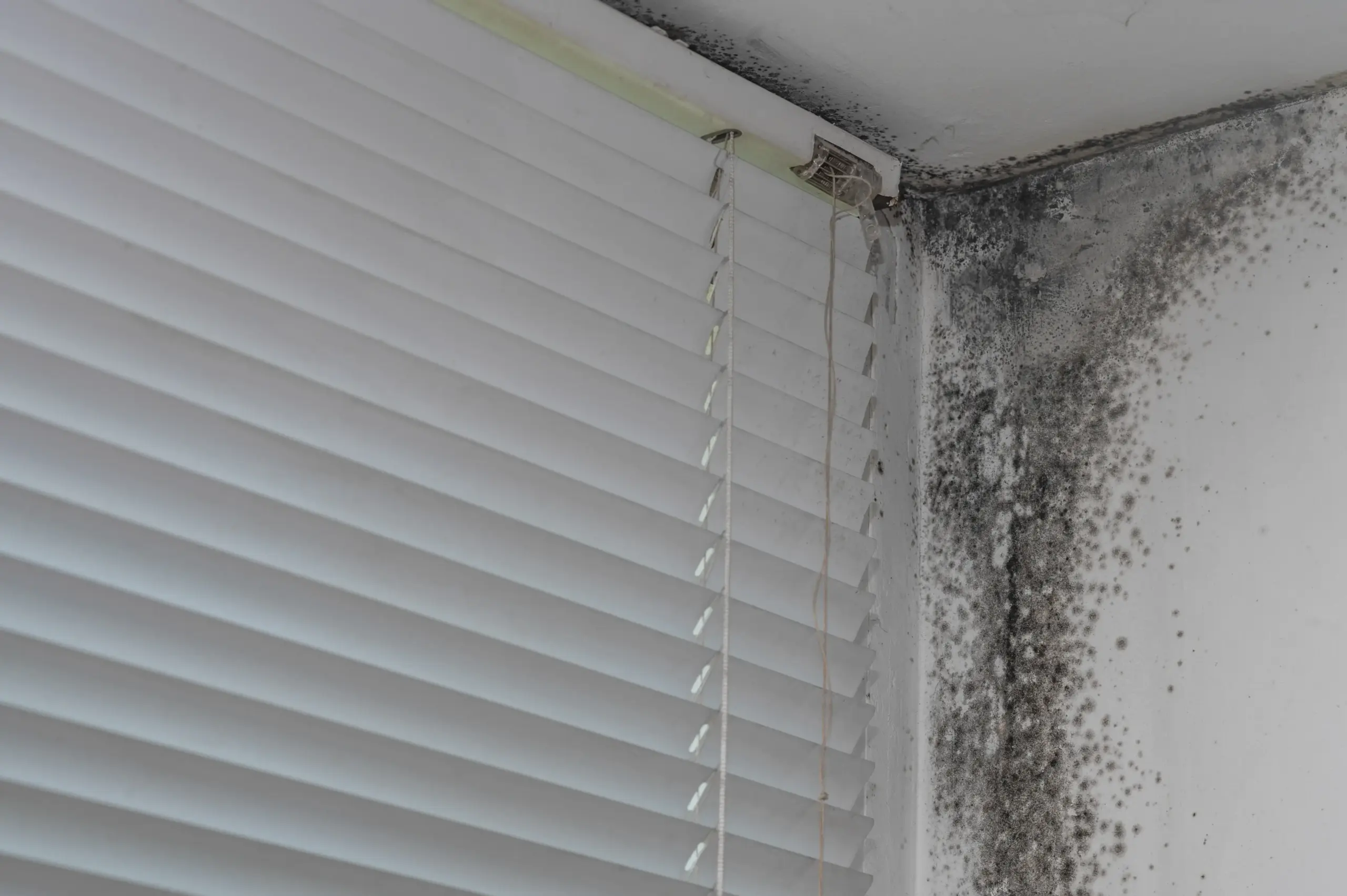
Proper ventilation is important for maintaining indoor air quality and controlling moisture. Inspectors examine bathroom fans, kitchen exhausts, dryer vents, and attic ventilation to ensure moisture is directed outside the home. Poor ventilation can contribute to mold growth and long term material deterioration.
Built In Appliances
Built in appliances such as ranges, ovens, dishwashers, and microwaves are tested for basic operation. Inspectors verify that appliances respond to controls and operate as intended at the time of inspection. While inspections do not guarantee future performance, obvious defects are documented.
Interior Safety Devices
Inspectors check for the presence and basic function of safety devices such as smoke detectors, carbon monoxide detectors, and ground fault outlets. These components help reduce fire and poisoning risks and are commonly reviewed during buyer negotiations and lender evaluations.
Moisture Intrusion and Mold Indicators
Inspectors look for visible signs of moisture intrusion including stains, damaged materials, and elevated humidity levels. While inspections do not include laboratory testing, conditions that suggest moisture problems may warrant further evaluation. Guidance on moisture related concerns is supported by mold prevention principles that emphasize early identification and control.
Environmental and Health Related Observations
Although inspectors do not perform environmental testing, they may note materials or conditions that raise concern, such as suspected asbestos containing products or poor air circulation. Sellers benefit from understanding how buyers may seek additional information through home inspection guidance when reviewing reports.
Why Inspection Findings Matter When Selling
Understanding what do home inspectors look for when selling a home helps sellers prepare strategically and reduce last minute surprises. Inspection findings influence buyer confidence, negotiations, and transaction timelines. Homes that show transparency and proper maintenance often experience smoother sales.

Conclusion
What do home inspectors look for when selling a home includes the structure, systems, safety features, and visible conditions that affect value and livability. Preparing for an inspection allows sellers to address concerns early and approach negotiations with clarity and confidence.
For homeowners and real estate professionals throughout Northeast Ohio, Icon Home Inspectors brings over a decade of experience providing accurate, professional inspections. Their expertise helps sellers understand inspection findings clearly and prepare their homes for successful transactions.