Is a home inspection required for a mortgage is a question that causes confusion for many homebuyers, especially those purchasing a home for the first time. The mortgage process involves lenders, appraisals, underwriting, and strict approval standards, which can make it seem like inspections are mandatory. While inspections are strongly recommended and widely used, they serve a different purpose than many buyers expect. Understanding how inspections fit into the mortgage process helps buyers protect themselves financially and make informed decisions before closing.

Why Buyers Commonly Ask This Question
Many buyers ask is a home inspection required for a mortgage because inspections and appraisals often happen around the same stage of the transaction. Since lenders clearly require appraisals, buyers often assume inspections are also required by the bank. This misunderstanding leads some buyers to believe inspections are optional or unnecessary, when in reality inspections exist to protect the buyer rather than satisfy the lender.
The Short Answer Buyers Need to Understand
In most real estate transactions, the answer to is a home inspection required for a mortgage is no. Mortgage lenders do not require buyers to obtain a home inspection in order to approve a loan. Lenders focus on the borrower’s financial qualifications and the market value of the property, not on identifying defects or maintenance concerns within the home.
What a Mortgage Lender Actually Cares About
Lenders are primarily concerned with risk. Their goal is to ensure the loan amount is supported by the property’s value and that the borrower has the ability to repay the debt. This is why lenders require an appraisal and extensive financial documentation. Whether or not a home inspection is required for a mortgage is largely irrelevant to the lender’s decision making process.

The Purpose of a Home Appraisal
An appraisal determines the estimated market value of the home. The appraiser compares the property to recent sales and evaluates basic characteristics such as size, location, and general condition. Appraisers are not hired to protect buyers, nor are they responsible for identifying hidden defects. Their role is limited to valuation, which is why an appraisal is required even though a home inspection is not required for a mortgage.
Why Appraisals and Inspections Are Often Confused
Buyers often confuse appraisals with inspections because both involve professionals evaluating the home. However, these services are very different. An appraisal does not include testing systems, evaluating long-term performance, or identifying maintenance risks. When buyers ask is a home inspection required for a mortgage, they are often assuming the appraisal provides the same protection as an inspection, which it does not.
The Buyer Is the Primary Beneficiary of an Inspection
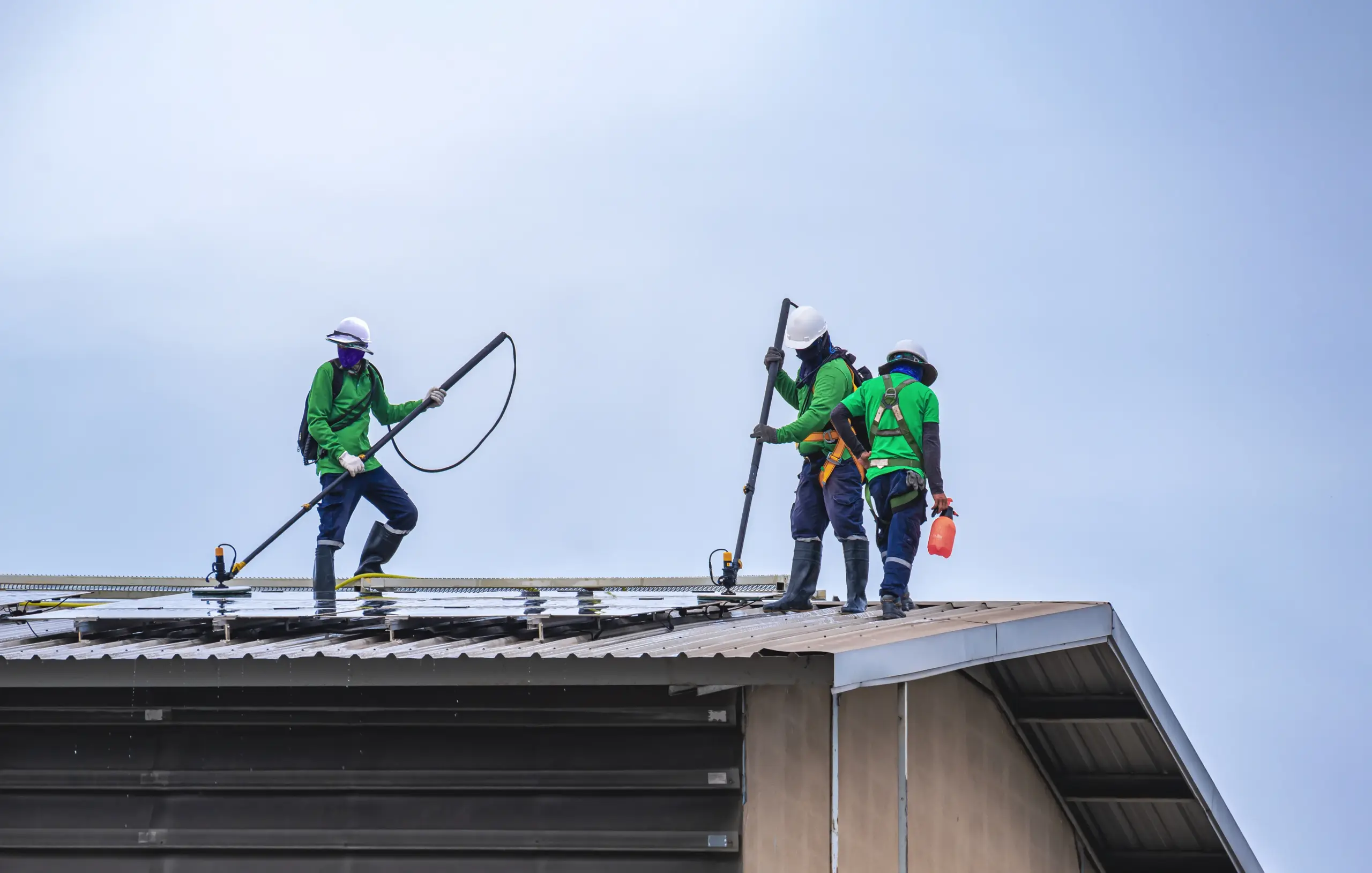
A home inspection exists to protect the buyer. Inspectors evaluate visible and accessible components such as roofing, electrical systems, plumbing, heating and cooling equipment, structure, and signs of water intrusion. These findings help buyers understand what they are purchasing. Even though a home inspection is not required for a mortgage, it remains one of the most important tools for buyer protection.

The Financial Risk of Skipping an Inspection
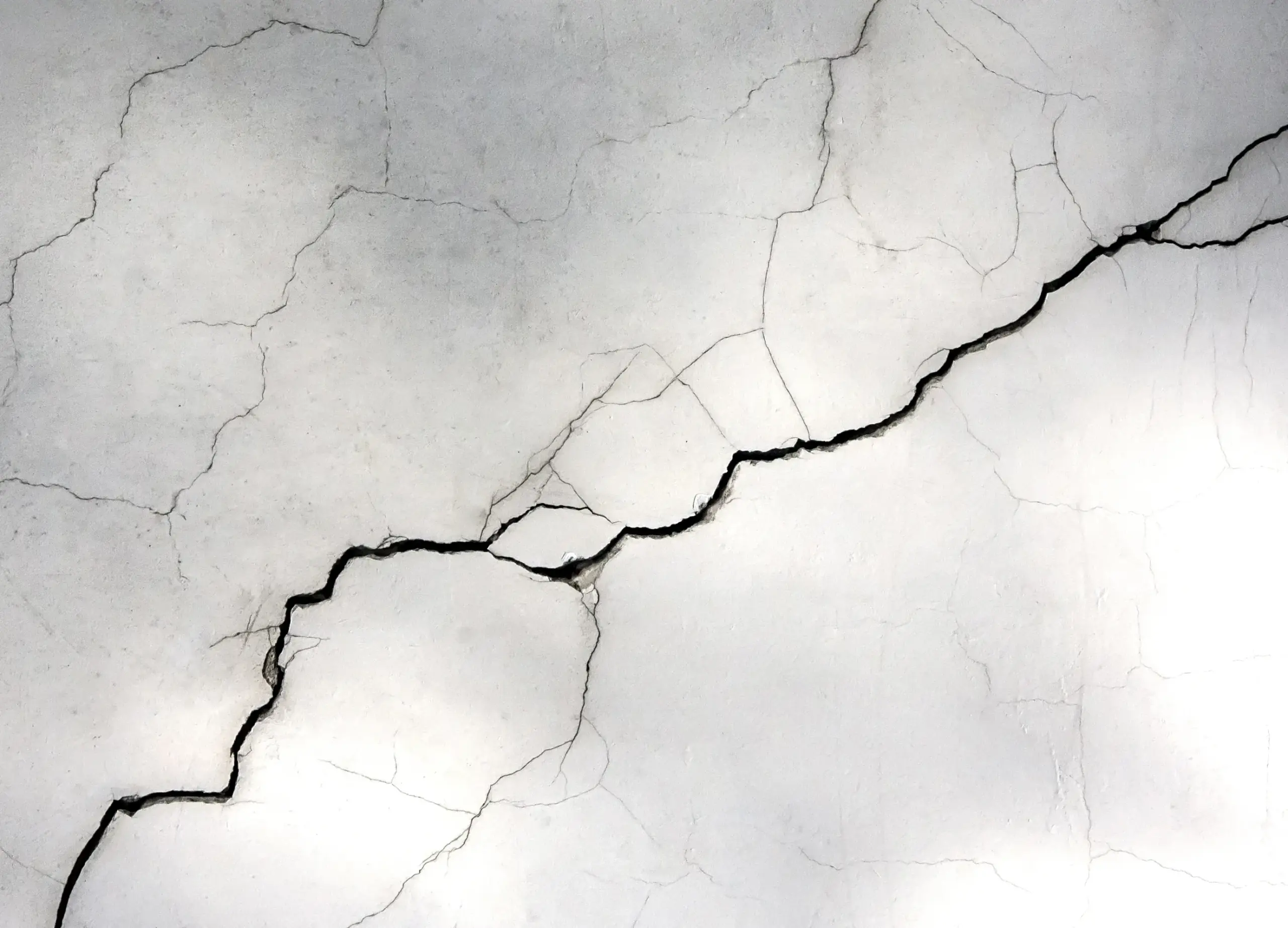
Some buyers consider skipping inspections to save money or make their offer more competitive. This decision can lead to significant financial consequences. Repairs involving roofs, foundations, electrical systems, or plumbing can cost thousands of dollars. The fact that a home inspection is not required for a mortgage does not eliminate the buyer’s responsibility for these issues after closing.
How Inspections Influence Purchase Decisions
Inspection results often play a major role in whether a buyer moves forward with a purchase. When serious defects are discovered, buyers may renegotiate terms or decide the home is not the right fit. This decision making power exists because inspections reveal information that is not apparent during a showing or appraisal.
Negotiation Leverage Created by Inspections
Inspection reports provide documented evidence that can be used during negotiations. Buyers may request repairs, credits, or price adjustments based on inspection findings. Without an inspection, buyers lose this leverage. Even though is a home inspection required for a mortgage is commonly asked, inspections often determine the final terms of the deal.

Government Loan Programs and Misunderstanding
Loan programs such as FHA and VA loans add to the confusion around whether a home inspection is required for a mortgage. These programs include property condition requirements, but those requirements are reviewed during the appraisal. They do not replace a full inspection and do not provide buyers with a comprehensive understanding of the home’s condition.
Why FHA and VA Appraisals Are Limited
FHA and VA appraisals focus on basic safety and habitability concerns. Appraisers may flag issues such as missing handrails or obvious roof damage, but they do not evaluate system performance or future failure risks. Buyers relying solely on these appraisals may still face unexpected repair costs after closing.
Insurance Requirements and Inspection Findings
While lenders may not require an inspection, insurance companies often pay close attention to inspection-related issues. Roof age, electrical panels, plumbing materials, and heating systems can affect whether coverage is approved. Since homeowners insurance is required to finalize most mortgages, inspection findings can indirectly influence whether the loan process moves forward smoothly.

How Inspection Issues Can Delay a Mortgage Closing
Inspection results can affect closing timelines if serious defects are discovered late in the process. Buyers may request specialist evaluations, negotiate repairs, or reconsider the purchase altogether. Homes that have already been evaluated thoroughly tend to move through the mortgage process with fewer delays and less renegotiation.
Why Pre-Purchase Inspections Are an Industry Best Practice
Even though the answer to is a home inspection required for a mortgage is generally no, inspections are widely considered an industry best practice. Housing education materials explain that inspections help buyers understand long-term ownership responsibilities before committing to a multi-decade loan.
Seller Benefits When Buyers Conduct Inspections
Sellers benefit when buyers complete inspections because transparency reduces disputes. When buyers understand the condition of the home early, negotiations tend to be more productive and contracts are less likely to fall apart later in the process.

Pre-Listing Inspections and Mortgage Readiness
Pre-listing inspections help sellers prepare homes for buyers who will be using financing. Identifying issues in advance allows sellers to make repairs or adjust pricing. Homes that present fewer inspection surprises are more attractive to buyers seeking mortgage approval.
Market Pressure and Inspection Waivers
In competitive markets, buyers may feel pressure to waive inspections to strengthen offers. While this may lead to quicker acceptance, it significantly increases risk. Understanding that a home inspection is not required for a mortgage but still critical for protection helps buyers make informed decisions rather than emotional ones.
First-Time Buyers and Inspection Education
First-time buyers often assume lender requirements cover everything related to the home’s condition. Learning that is a home inspection required for a mortgage is a misconception helps new buyers recognize the importance of independent evaluations before committing financially.

Experienced Buyers Still Rely on Inspections
Even experienced buyers and investors continue to rely on inspections. Independent evaluations provide objective documentation that supports negotiations and helps buyers plan future maintenance and repairs.
Professional Standards That Guide Home Inspections
Licensed home inspectors follow established standards of practice that define what must be evaluated during an inspection. These standards ensure consistency and thoroughness, which is why inspections remain valuable even though they are not lender requirements.
Where Inspections Fit Into the Mortgage Timeline
Inspections are typically scheduled shortly after a purchase agreement is signed. This timing allows buyers to review findings and negotiate without delaying underwriting or closing, even though the home inspection is not required for a mortgage.

How Inspections Help Buyers Plan Ownership Costs
Inspection reports help buyers budget for upcoming repairs and prioritize improvements. This planning value extends beyond loan approval and supports responsible long-term homeownership.
Housing and Mortgage Education Perspective
Guidance from housing authorities such as the Consumer Financial Protection Bureau explains that inspections are separate from appraisals and exist to inform buyers. Legal education resources like Nolo also clarify that inspections protect buyers rather than lenders.
Why Inspections Matter Even When Not Required
The fact that a home inspection is not required for a mortgage does not reduce its importance. Inspections uncover risks that can affect safety, finances, and long-term satisfaction with the purchase.

Conclusion
Is a home inspection required for a mortgage is a common question, and while the answer is usually no, inspections remain one of the most important steps in buying a home. They protect buyers financially, support informed negotiations, and reduce the likelihood of unexpected repairs after closing.
For buyers and sellers throughout Northeast Ohio, Icon Home Inspectors brings over a decade of experience providing detailed, professional inspections. Their expertise helps buyers move forward with confidence and helps sellers prepare homes that close smoothly. Scheduling an inspection is a smart decision even when it is not required by the lender.