
How to remove house molds is a concern many homeowners face when moisture problems develop inside a property. Mold growth can affect indoor air quality, structural materials, and overall home safety if left untreated. Understanding how mold forms and how removal is handled helps homeowners take the right steps before the problem spreads further.
Why Mold Develops Inside Homes
Mold develops when moisture and organic material are present for extended periods. Common causes include plumbing leaks, roof damage, poor ventilation, and high indoor humidity. Mold spores exist naturally in the air, but they only grow when conditions allow moisture to accumulate.
Common Areas Where Mold Is Found
Mold is often found in basements, bathrooms, kitchens, crawl spaces, and around windows. These areas tend to experience higher moisture levels due to leaks, condensation, or inadequate airflow. Identifying where mold commonly appears helps homeowners detect problems early.
Health Risks Associated With Mold Exposure
Exposure to mold may cause respiratory irritation, allergic reactions, and other health concerns, especially for individuals with asthma or weakened immune systems. Prolonged exposure can worsen symptoms and affect indoor comfort. Understanding these risks highlights why proper mold removal is important.
Early Signs of Mold Growth
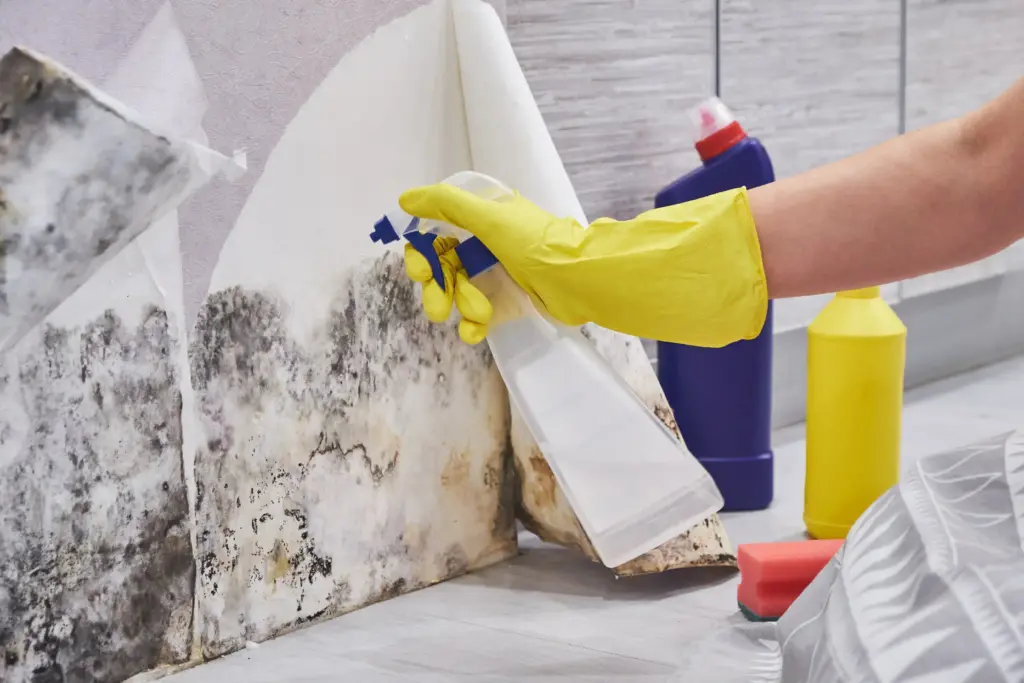
Early signs of mold growth include musty odors, visible discoloration on surfaces, and persistent moisture. Mold may appear as black, green, white, or gray patches depending on the surface and conditions. Recognizing these warning signs allows homeowners to act before growth becomes widespread.
Why Surface Cleaning Alone Is Not Enough
Cleaning visible mold from surfaces does not always address the underlying moisture problem. Mold often grows beneath drywall, flooring, or insulation where it cannot be seen. Removing mold effectively requires identifying and correcting the source of moisture.
The Difference Between Minor and Extensive Mold Issues
Minor mold issues may involve small areas caused by localized moisture, while extensive mold problems often result from long term water intrusion. The size and severity of the affected area determine whether professional remediation is needed.
When Mold Becomes a Structural Concern
If mold growth affects wood framing, drywall, or insulation, it can compromise building materials over time. Structural damage may occur when moisture remains present for extended periods. Addressing mold early helps prevent costly repairs.
How Home Inspections Identify Mold Conditions
Home inspections identify visible mold growth and moisture conditions that may support mold development. Inspectors do not perform laboratory testing but document observed conditions and recommend further evaluation when necessary.
Why Buyers and Sellers Should Address Mold Early
Mold issues discovered during a real estate transaction can delay closing or lead to renegotiations. Addressing mold concerns early improves transparency and helps maintain buyer confidence.
Setting Expectations About Mold Removal
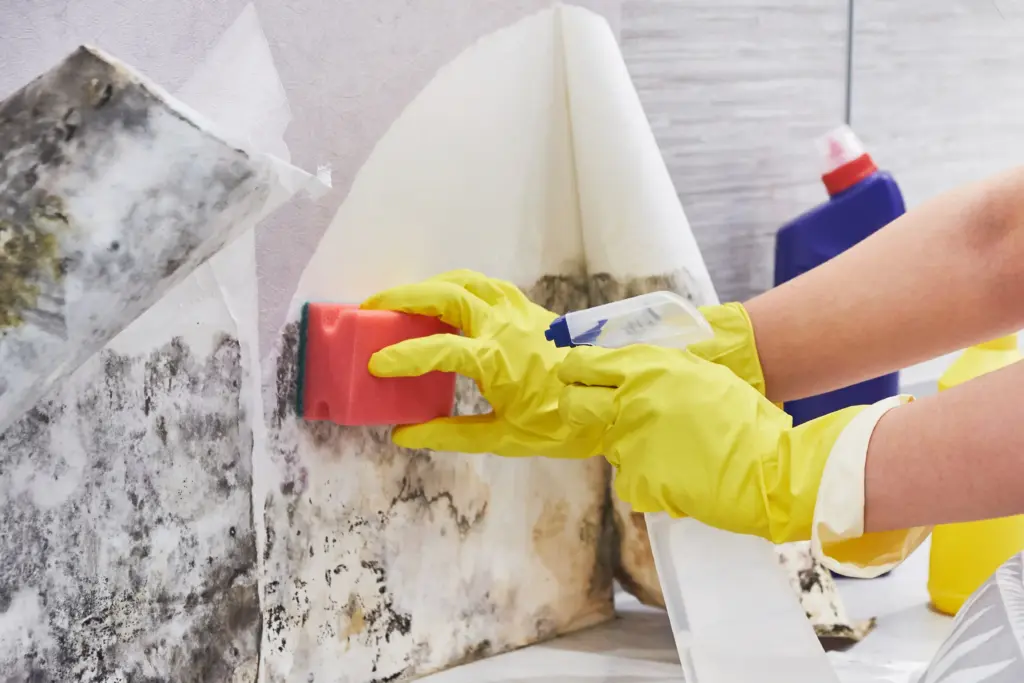
Understanding how to remove house molds starts with realistic expectations. Effective removal involves moisture control, proper cleaning methods, and sometimes professional remediation depending on severity.
Steps for Removing Small Areas of Mold
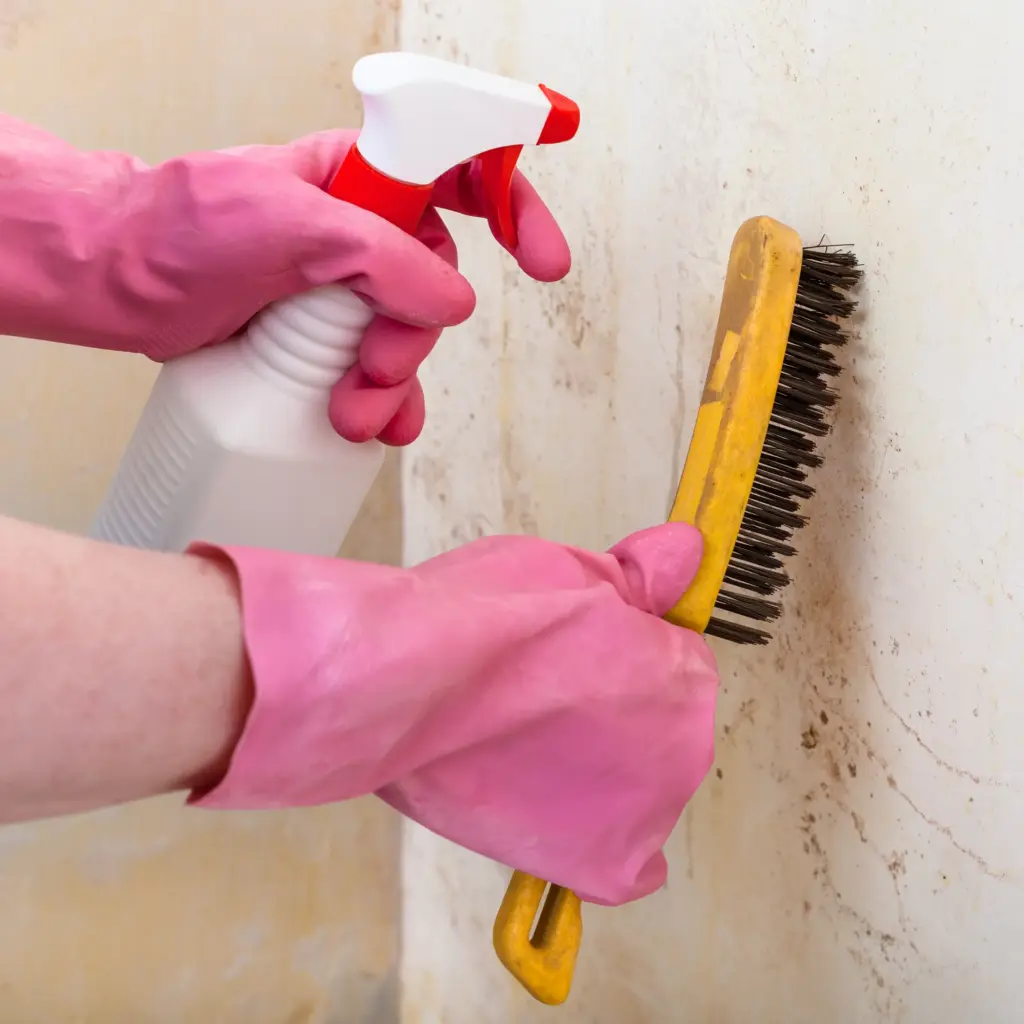
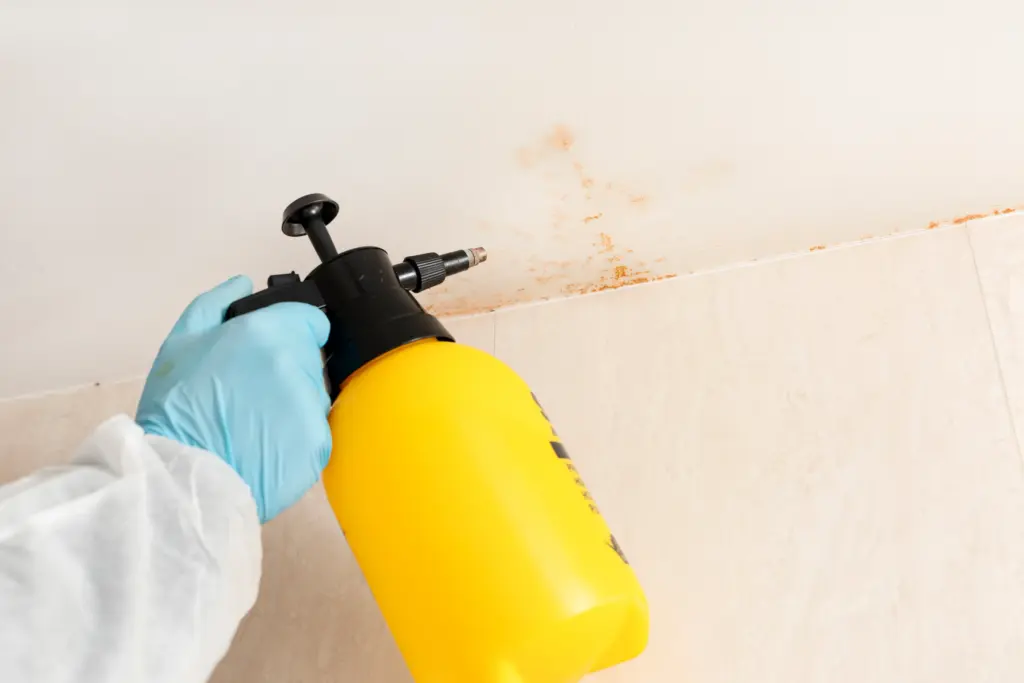
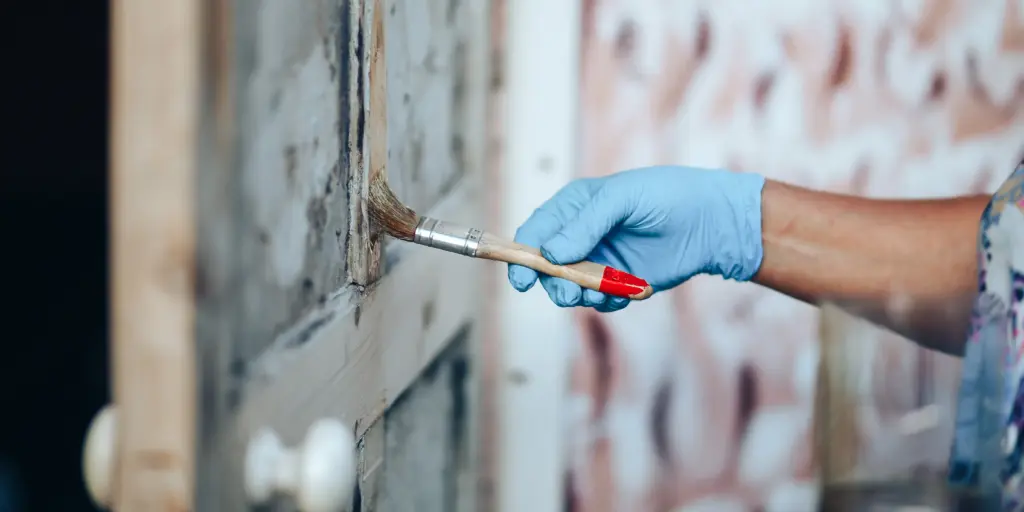
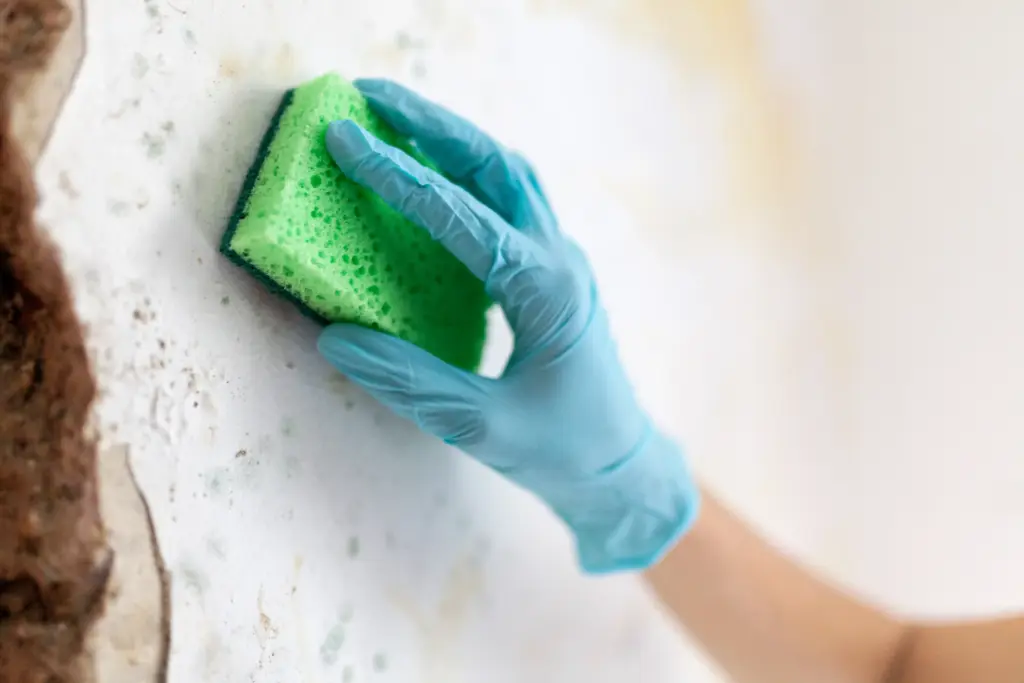
Small mold areas limited to non porous surfaces can often be addressed by homeowners using proper safety precautions. This includes wearing gloves, eye protection, and ensuring adequate ventilation. The affected area should be cleaned with appropriate solutions designed to remove mold while preventing spore spread. Moisture sources must be corrected immediately to prevent regrowth.
Why Moisture Control Is Essential
Successful mold removal always depends on controlling moisture. Without addressing leaks, humidity, or ventilation issues, mold will return even after cleaning. Dehumidifiers, exhaust fans, and proper drainage play a major role in maintaining dry indoor conditions. Guidance on moisture control is supported by federal mold cleanup principles that emphasize prevention as the most effective solution.
When Professional Mold Remediation Is Needed
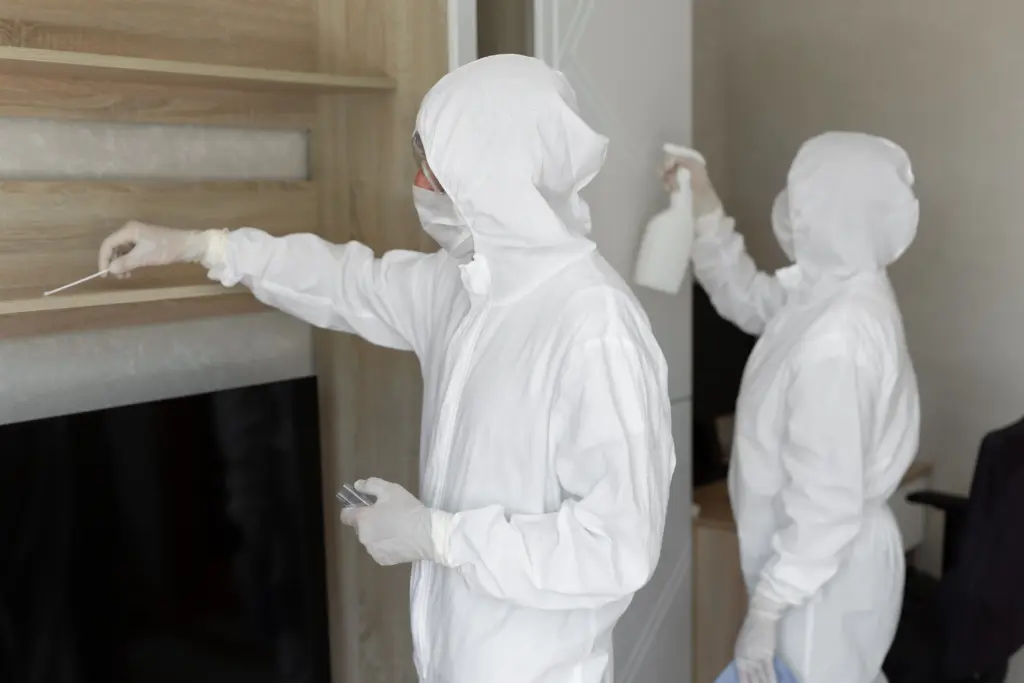
Professional remediation is recommended when mold covers large areas, affects porous materials, or results from long term water intrusion. Professionals use containment, air filtration, and controlled removal techniques to prevent cross contamination. Large scale mold growth often cannot be resolved through surface cleaning alone.
Why Testing Is Sometimes Recommended
Mold testing may be recommended when the extent or type of mold is unclear. While not always necessary, testing can help confirm indoor air quality concerns and guide remediation efforts. Information related to health impacts and exposure is supported by public health guidance that explains how mold affects indoor environments.
Preventing Mold From Returning
Long term mold prevention includes fixing leaks promptly, improving ventilation, and monitoring indoor humidity levels. Regular maintenance of roofing, plumbing, and HVAC systems reduces the risk of moisture accumulation. Preventive measures are just as important as removal efforts.
Mold Removal During Real Estate Transactions
Mold discovered during a real estate transaction can affect negotiations and closing timelines. Buyers may request remediation or credits, while sellers benefit from resolving issues before listing. Clear documentation and proper remediation help maintain trust and transaction momentum.
How Home Inspections Support Mold Awareness
Home inspections identify visible mold growth and conditions that support mold development. Inspectors document moisture related concerns and recommend further evaluation when appropriate. This information helps buyers and sellers take informed action.
Why Ignoring Mold Can Be Costly
Ignoring mold problems can lead to material damage, health concerns, and reduced property value. Mold that spreads behind walls or flooring becomes more expensive to remediate over time. Early intervention limits damage and cost.
Understanding Limitations of DIY Solutions
While small mold issues may be manageable, larger problems require professional expertise. DIY solutions may fail to address hidden growth or airborne spores. Knowing when to escalate is essential for effective mold removal.
Conclusion
How to remove house molds effectively depends on identifying moisture sources, addressing visible growth, and knowing when professional remediation is required. Proper removal protects both health and property value.
For homeowners, buyers, and sellers throughout Northeast Ohio, Icon Home Inspectors brings over a decade of experience identifying moisture conditions and mold related concerns during professional inspections. Their detailed evaluations help clients take informed action before buying or selling a home.