How to pass a 4 point home inspection is an important question for homeowners who plan to sell, refinance, or secure insurance coverage. A 4 point inspection is different from a full home inspection and focuses only on four critical systems: the roof, electrical, plumbing, and HVAC. Insurance companies rely heavily on this inspection to assess risk, which means preparation is essential. Understanding what inspectors look for and addressing issues early can significantly improve your chances of passing.

What a 4 Point Home Inspection Is
A 4 point home inspection is a limited inspection designed primarily for insurance underwriting. Unlike a full inspection, it does not evaluate every component of the home. Instead, it focuses on the condition, age, and functionality of four major systems that pose the greatest risk for insurance claims. Knowing how to pass a 4 point home inspection starts with understanding this narrow scope.
Why Insurance Companies Require 4 Point Inspections
Insurance providers use 4 point inspections to evaluate potential liability. Older homes or homes with aging systems present higher risks of fire, water damage, or mechanical failure. Learning how to pass a 4 point home inspection helps homeowners demonstrate that these systems are safe, functional, and properly maintained.
The Importance of Preparation Before the Inspection
Preparation plays a major role in how to pass a 4 point home inspection. Homeowners who address visible issues beforehand reduce the likelihood of failed reports. Small repairs completed in advance often prevent larger problems from being flagged, saving time and money during the insurance approval process.

Roof Condition and Inspection Standards
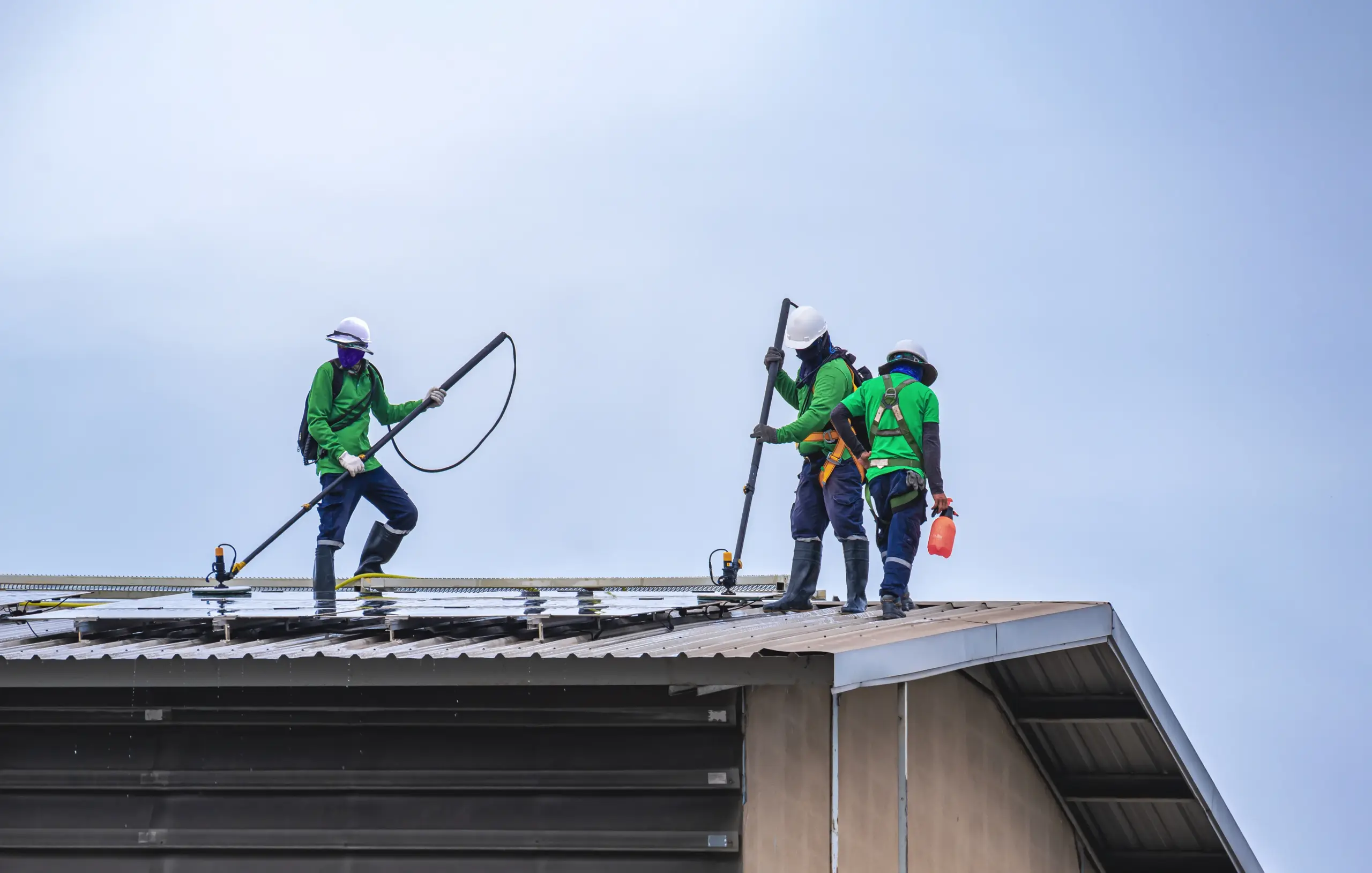
The roof is one of the most critical elements in a 4 point inspection. Inspectors look for age, material type, visible damage, and remaining useful life. Missing shingles, active leaks, soft spots, or excessive wear can result in a failed inspection. Knowing how to pass a 4 point home inspection means ensuring the roof is in serviceable condition with no signs of active failure.
Roof Age and Remaining Useful Life
Insurance companies often require a roof to have a certain amount of remaining useful life. Even if a roof is not leaking, advanced age alone can cause issues. Homeowners should confirm the roof’s age and be prepared to provide documentation if the roof was replaced or repaired recently.
Electrical System Requirements
The electrical system is another major focus when learning how to pass a 4 point home inspection. Inspectors evaluate the type of wiring, the condition of the main panel, and any visible safety hazards. Common red flags include outdated wiring, double-tapped breakers, exposed conductors, and improper panel labeling.
Outdated Electrical Components That Cause Failures
Certain electrical components are frequently flagged during inspections. Older panels, aluminum branch wiring, and recalled electrical equipment can raise concerns for insurers. Addressing these issues before the inspection greatly improves how to pass a 4 point home inspection.
Plumbing System Expectations
The plumbing system is evaluated for material type, visible leaks, and overall functionality. Inspectors check supply lines, drain lines, water heaters, and visible fixtures. Leaks, corrosion, or outdated materials can lead to inspection issues. Understanding how to pass a 4 point home inspection means ensuring plumbing components are leak-free and properly supported.
Water Heater Condition and Installation
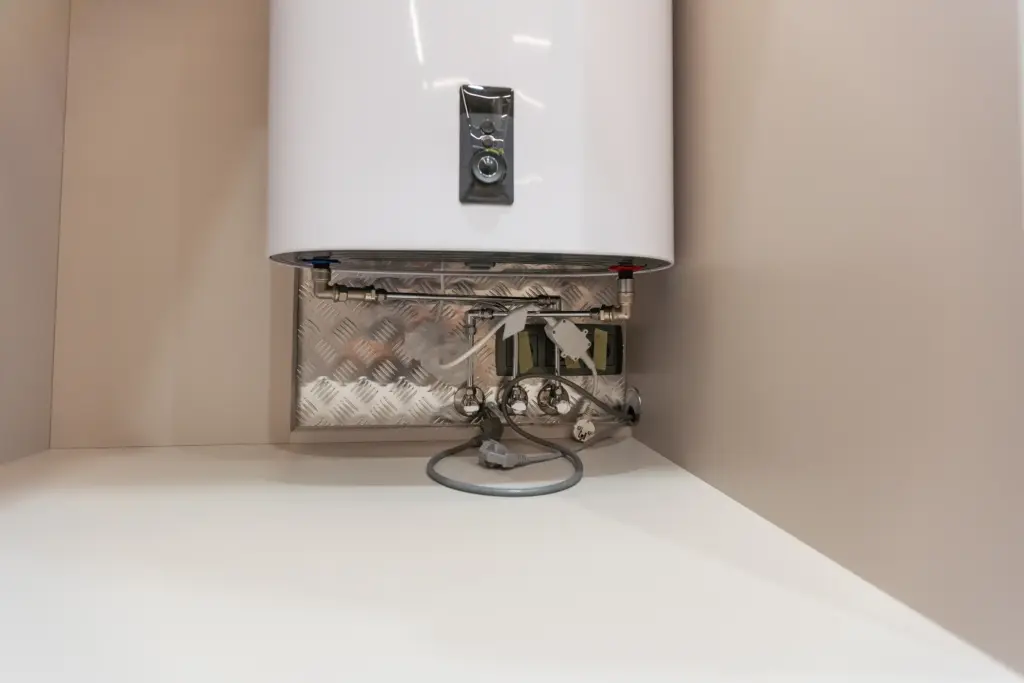
Water heaters receive special attention during a 4 point inspection. Inspectors review age, installation quality, and signs of corrosion or leakage. Units that are past their typical lifespan or improperly installed often raise concerns. Proper strapping, venting, and a functional pressure relief valve improve inspection outcomes.
HVAC System Functionality
The heating and cooling system must be operational at the time of inspection. Inspectors note the age, condition, and performance of the system. Non-functional units, excessive corrosion, or missing components can result in a failed report. Knowing how to pass a 4 point home inspection includes confirming the HVAC system turns on, runs properly, and shows no visible damage.
Maintenance Records and Documentation
Providing documentation for recent repairs or system replacements can strengthen inspection results. Receipts, service records, and warranties help verify system age and condition. Homeowners who gather this information ahead of time are better prepared for the inspection process.
Common Reasons Homes Fail a 4 Point Inspection
Understanding common failure points is essential when learning how to pass a 4 point home inspection. Homes often fail due to aging roofs, outdated electrical panels, plumbing leaks, or non-functional HVAC systems. These issues signal increased insurance risk, which is why insurers pay close attention to inspection reports.

Roof Repairs That Improve Inspection Results
Minor roof repairs completed before the inspection can make a significant difference. Replacing missing shingles, sealing exposed flashing, and addressing soft spots help demonstrate that the roof is actively maintained. These improvements directly support how to pass a 4 point home inspection by showing reduced risk of water intrusion.
Electrical Corrections That Matter Most
Correcting electrical issues before the inspection is one of the most effective ways to improve results. Replacing damaged breakers, securing loose wiring, and correcting double taps improve safety. Homes with updated and clearly labeled panels present lower risk to insurance carriers.
Plumbing Repairs That Reduce Red Flags
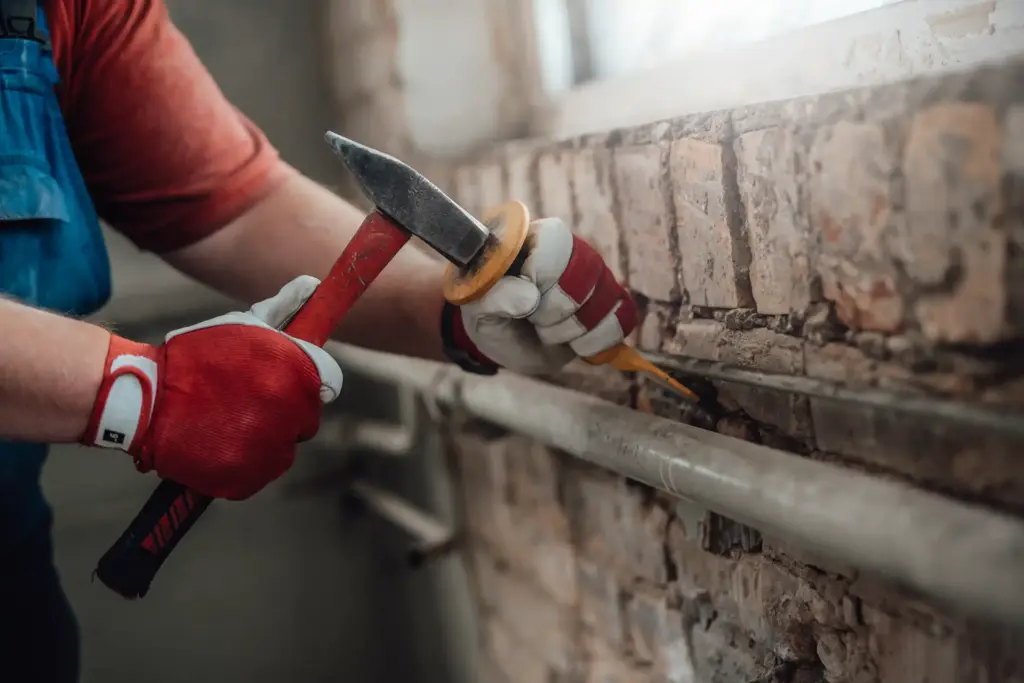
Fixing visible leaks, replacing corroded supply lines, and ensuring proper drainage improves inspection outcomes. Plumbing failures are a leading cause of insurance claims, which is why inspectors carefully document these systems. Addressing plumbing concerns directly supports how to pass a 4 point home inspection.
HVAC Maintenance Before the Inspection
Routine HVAC maintenance helps prevent negative inspection findings. Cleaning units, replacing filters, and ensuring proper operation demonstrate system reliability. Non-functional or heavily corroded systems raise concerns for insurers and should be addressed before scheduling the inspection.
Why Photos Matter in a 4 Point Inspection
Most 4 point inspections rely heavily on photo documentation. Clear photos of panels, water heaters, HVAC units, and roof surfaces help insurers evaluate risk accurately. Homes that are clean and accessible allow inspectors to capture clear images that support favorable reports.
Accessibility and Inspection Readiness
Ensuring inspectors have access to all required systems improves inspection efficiency. Clear access to electrical panels, water heaters, HVAC units, and attic areas helps avoid incomplete or unfavorable reports. Accessibility plays a key role in how to pass a 4 point home inspection.

Insurance Underwriting and Inspection Review
Insurance underwriters review inspection reports to determine coverage eligibility. Reports that show systems in good condition with no immediate risks are more likely to be approved. Understanding how underwriters use inspections helps homeowners prepare effectively.
How Age of Systems Affects Insurance Decisions
System age is a major factor in insurance decisions. Even functioning systems may be flagged if they are past typical service life. Replacing or servicing aging components can significantly improve inspection results and insurance approval chances.
Pre-Inspection Evaluations as a Smart Strategy
Scheduling a pre-inspection evaluation allows homeowners to identify issues before the official inspection. This proactive approach supports how to pass a 4 point home inspection by allowing time for repairs without pressure from insurance deadlines.
Documentation That Strengthens Inspection Reports
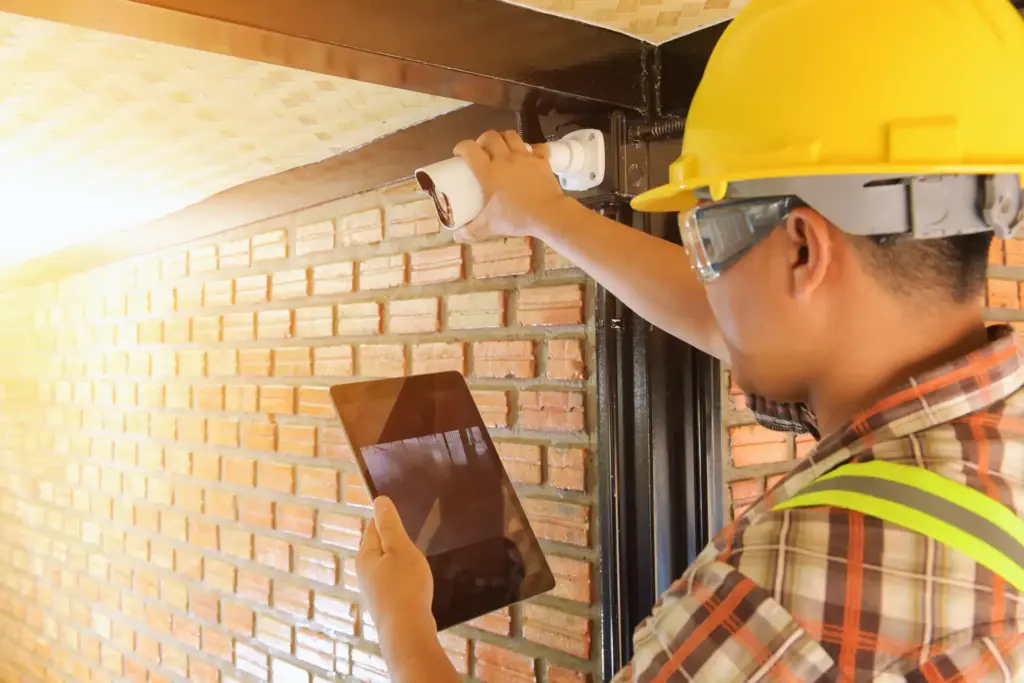
Providing proof of recent repairs or replacements helps inspectors accurately report system age and condition. Receipts and warranties reduce uncertainty and support more favorable insurance assessments.
Insurance Education and Risk Perspective
Insurance guidance published by the Insurance Information Institute explains why insurers rely on 4 point inspections to reduce claim exposure. Consumer resources such as the Consumer Financial Protection Bureau also highlight the importance of understanding insurance requirements before policy approval.
Why Professional Inspectors Matter
Experienced inspectors understand insurance reporting requirements and common underwriting concerns. Their familiarity with carrier expectations improves accuracy and reduces unnecessary delays. Working with a qualified inspector is a critical part of how to pass a 4 point home inspection.

Conclusion
How to pass a 4 point home inspection depends on preparation, maintenance, and understanding what insurers look for. Addressing roof, electrical, plumbing, and HVAC concerns ahead of time reduces risk and improves approval outcomes.
For homeowners across Northeast Ohio, Icon Home Inspectors brings over a decade of experience performing accurate, insurance-ready inspections. Their expertise helps homeowners address issues early and move forward with confidence when securing coverage or preparing to sell.