Homeowners often wonder how often roof replaced when planning long term maintenance for their property. A roof is one of the most important protective components of a home because it shields the structure from rain, wind, snow, and extreme temperatures. Over time roofing materials naturally wear down due to constant exposure to weather conditions. Sunlight, moisture, and temperature changes gradually weaken roofing materials and reduce their effectiveness. Knowing how often roof replaced helps homeowners recognize when their roof may be nearing the end of its lifespan and when it may be time to consider repairs or full replacement.
The lifespan of a roof depends largely on the type of roofing material used and the environmental conditions surrounding the home. Some roofs can last several decades with proper maintenance, while others may require replacement sooner. Regular inspections and proper maintenance play an important role in extending the life of a roof. By understanding typical roof lifespans and the signs of aging materials, homeowners can plan ahead and avoid unexpected roof failures.

Average Lifespan of Common Roofing Materials
When discussing how often roof replaced, the type of roofing material is one of the most important factors to consider. Asphalt shingles are the most common roofing material used in residential homes, and they typically last between 20 and 30 years. Architectural asphalt shingles may last slightly longer because they are thicker and more durable. Metal roofs often have a longer lifespan and can last between 40 and 70 years depending on maintenance and environmental exposure. Clay or concrete tile roofs may last 50 years or more, while slate roofs can sometimes last over 100 years when properly maintained. Understanding the expected lifespan of these materials helps homeowners estimate when roof replacement may be necessary.
Weather Conditions and Roof Lifespan
Weather conditions play a significant role in determining how often roof replaced. Homes located in areas with severe storms, heavy snowfall, or high winds may experience faster roof deterioration. Intense sunlight can also damage roofing materials over time by breaking down protective layers on shingles. In colder climates, repeated freezing and thawing cycles can cause roofing materials to expand and contract, which may weaken them over time. Homes located in regions with frequent storms or harsh weather conditions may require roof replacement sooner than homes located in milder climates.

Signs That a Roof May Need Replacement
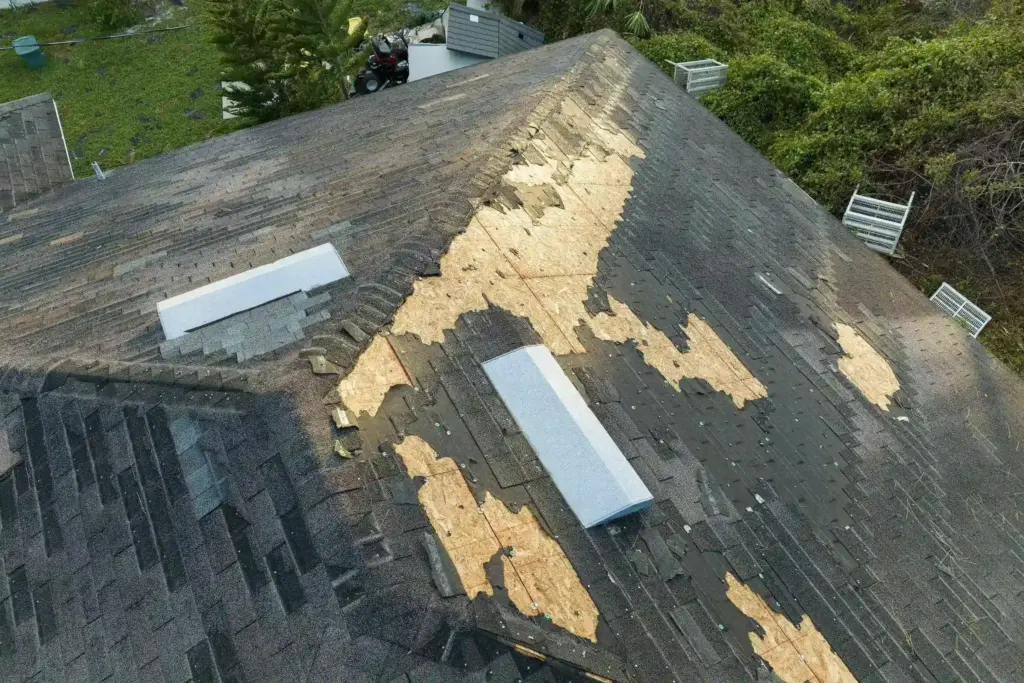
Recognizing warning signs early can help homeowners determine how often roof replaced in their specific situation. One common sign is missing or damaged shingles. Shingles that curl, crack, or lose their protective granules may indicate aging materials. Water stains on ceilings or walls inside the home can also suggest that the roof is no longer providing adequate protection. Sagging areas on the roof surface may indicate structural damage beneath the roofing materials. If homeowners notice multiple signs of wear, it may be time to consult a professional about roof replacement.
Importance of Regular Roof Inspections
Regular roof inspections can help homeowners identify problems before they require a full roof replacement. Inspectors evaluate the condition of shingles, flashing, gutters, and ventilation systems to ensure the roof continues functioning properly. Early detection of damaged shingles, leaks, or drainage issues can allow for repairs that extend the roof’s lifespan. Professional evaluations provided by Icon Home Inspectors help homeowners understand the overall condition of their roof and identify maintenance needs before problems become severe.

Roof Maintenance That Extends Lifespan
Routine maintenance can significantly influence how often roof replaced. Keeping gutters clean helps ensure water flows properly away from the roof and prevents moisture buildup. Removing debris such as leaves and branches reduces the risk of trapped moisture that can damage shingles. Homeowners should also trim overhanging tree branches that may scrape or damage roofing materials during storms. Proper attic ventilation is another important factor because it prevents excessive heat and moisture buildup that can weaken roofing materials over time.
Impact of Poor Installation
The quality of roof installation can also affect how often roof replaced. If roofing materials are not installed properly, problems may appear much sooner than expected. Improperly placed flashing or poorly sealed seams can allow water to penetrate beneath the roofing materials. Inadequate ventilation may cause heat buildup that damages shingles from underneath. Working with experienced roofing professionals ensures that materials are installed according to manufacturer guidelines and helps maximize the lifespan of the roof.

Roof Replacement vs Roof Repairs
Sometimes homeowners may only need repairs instead of a full replacement. Small leaks or limited shingle damage can often be fixed without replacing the entire roof. However if large sections of the roof show significant wear or multiple leaks are present, replacing the roof may be more cost effective in the long run. Understanding the difference between repair and replacement helps homeowners make informed decisions about roof maintenance.
Environmental Guidance on Roof Maintenance
Roof maintenance also plays a role in protecting the environment by improving energy efficiency and reducing construction waste. Well maintained roofs help homes remain insulated and prevent energy loss. The U.S. Department of Energy provides information about roofing materials and energy efficient home improvements on the Energy Saver cool roofs guide. Reviewing reliable resources can help homeowners make better decisions when planning roof repairs or replacement projects.
Planning for Future Roof Replacement
Understanding how often roof replaced allows homeowners to plan for future expenses and avoid unexpected repairs. Because roof replacement can be a significant investment, planning ahead makes the process easier to manage financially. Homeowners can monitor the age of their roof and schedule inspections as the roof approaches the end of its expected lifespan. This proactive approach helps ensure that roofing issues are addressed before they cause structural damage to the home.
Conclusion
Knowing how often roof replaced helps homeowners maintain their property and protect it from weather related damage. Most asphalt shingle roofs last around 20 to 30 years, while metal and tile roofs may last much longer. Factors such as climate, maintenance, installation quality, and roofing materials all influence roof lifespan. Regular inspections and timely repairs can extend the life of a roof and prevent costly structural problems. By understanding roof lifespans and monitoring signs of wear, homeowners can ensure their roof continues protecting their home effectively.