How long do houses last is a question many homeowners and buyers ask when considering long term value and maintenance responsibilities. A house is not a disposable asset, but its lifespan depends heavily on construction quality, materials, climate, and ongoing care. Understanding how long homes last helps buyers make informed decisions and plan for future repairs.
The Difference Between Structure and Components
When discussing how long do houses last, it is important to separate the lifespan of the structure from the lifespan of individual systems. The structural frame of a home can last many decades or even centuries, while components such as roofing, plumbing, and electrical systems require periodic replacement.
Average Lifespan of a Well Built Home
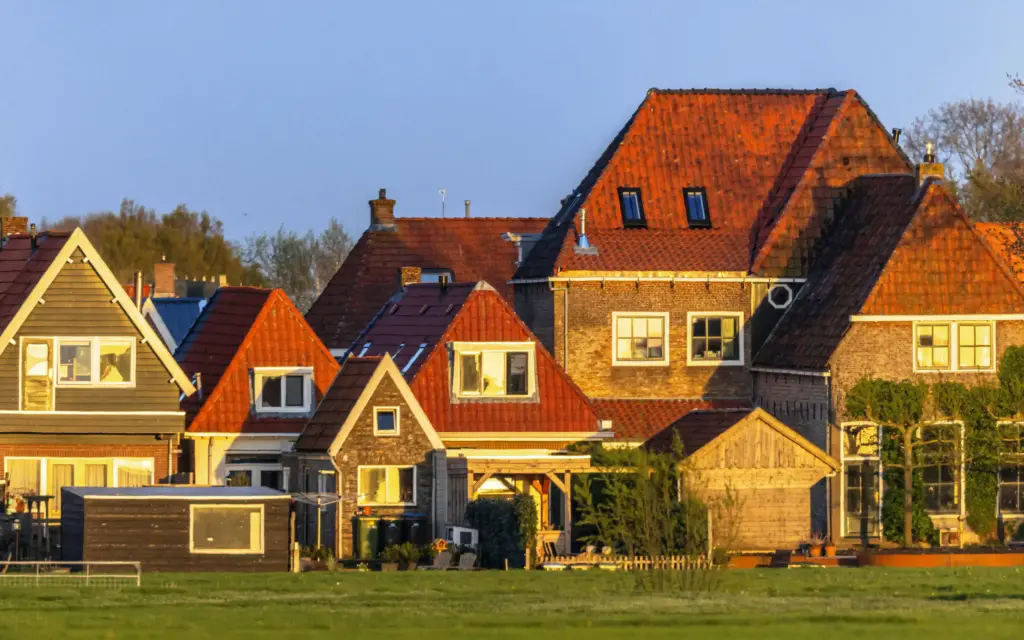
A well built and properly maintained home can last well over 100 years. Many older homes remain structurally sound due to durable materials and consistent upkeep. The key factor is not age alone, but how well the home has been cared for over time.
How Construction Materials Affect Longevity
The materials used during construction play a major role in determining how long do houses last. Brick, stone, and concrete structures generally last longer than wood framed homes when properly maintained. However, even wood framed homes can last generations with proper moisture control and maintenance.

The Role of Climate and Environment
Climate conditions significantly influence home longevity. Homes in areas with extreme temperature changes, high humidity, or frequent storms experience faster material wear. Moisture intrusion, freeze thaw cycles, and sun exposure all affect how long a house remains structurally sound.
Maintenance as the Biggest Longevity Factor
Regular maintenance has the greatest impact on how long do houses last. Addressing small issues early prevents larger structural problems. Homes that receive routine inspections, repairs, and upgrades consistently outlast neglected properties.
How Roofing Impacts a Home’s Lifespan
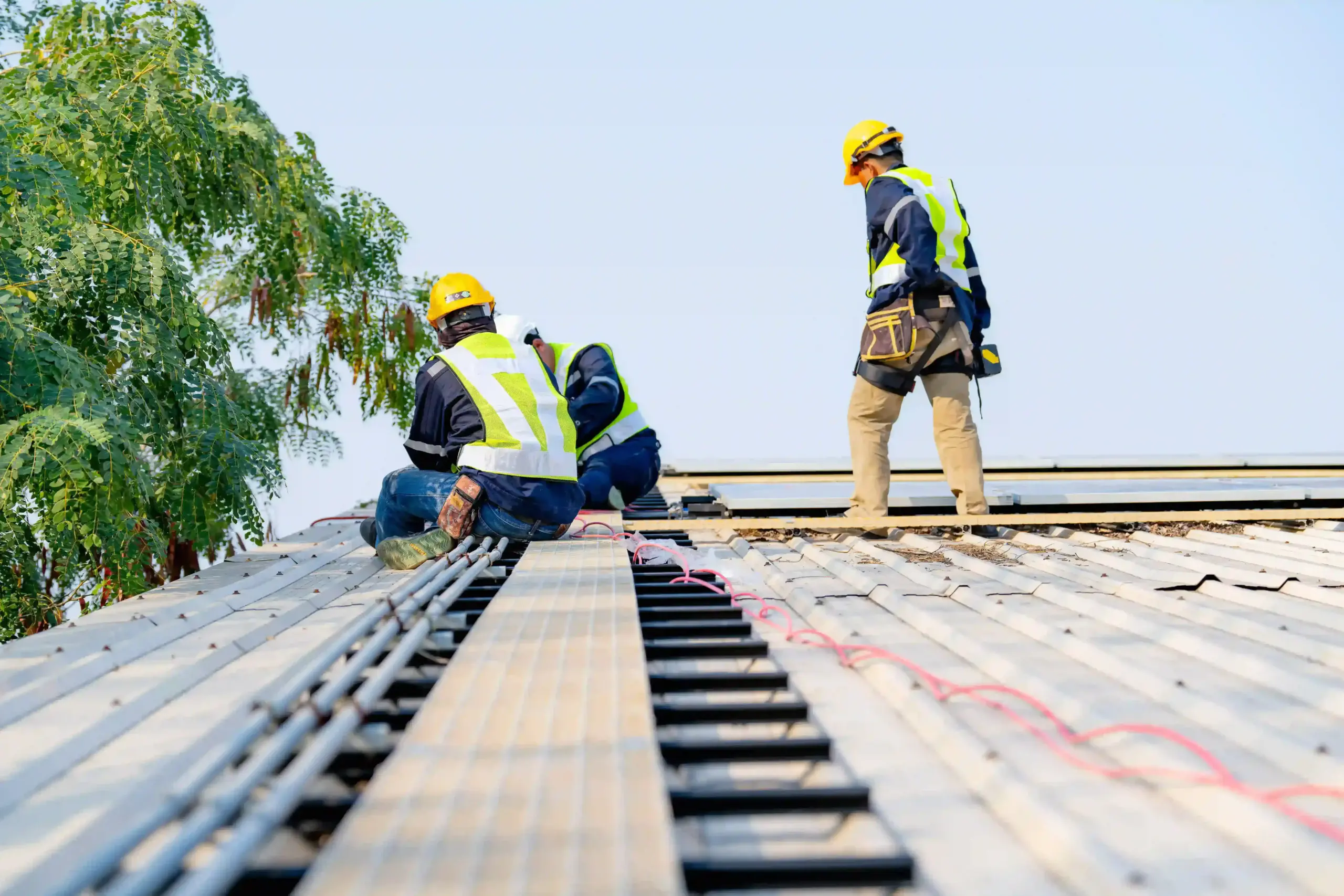
The roof protects the entire structure and directly affects longevity. A failing roof allows water intrusion that can damage framing, insulation, and interior finishes. Keeping the roof in good condition is essential for long term durability.

Plumbing Systems and Structural Risk
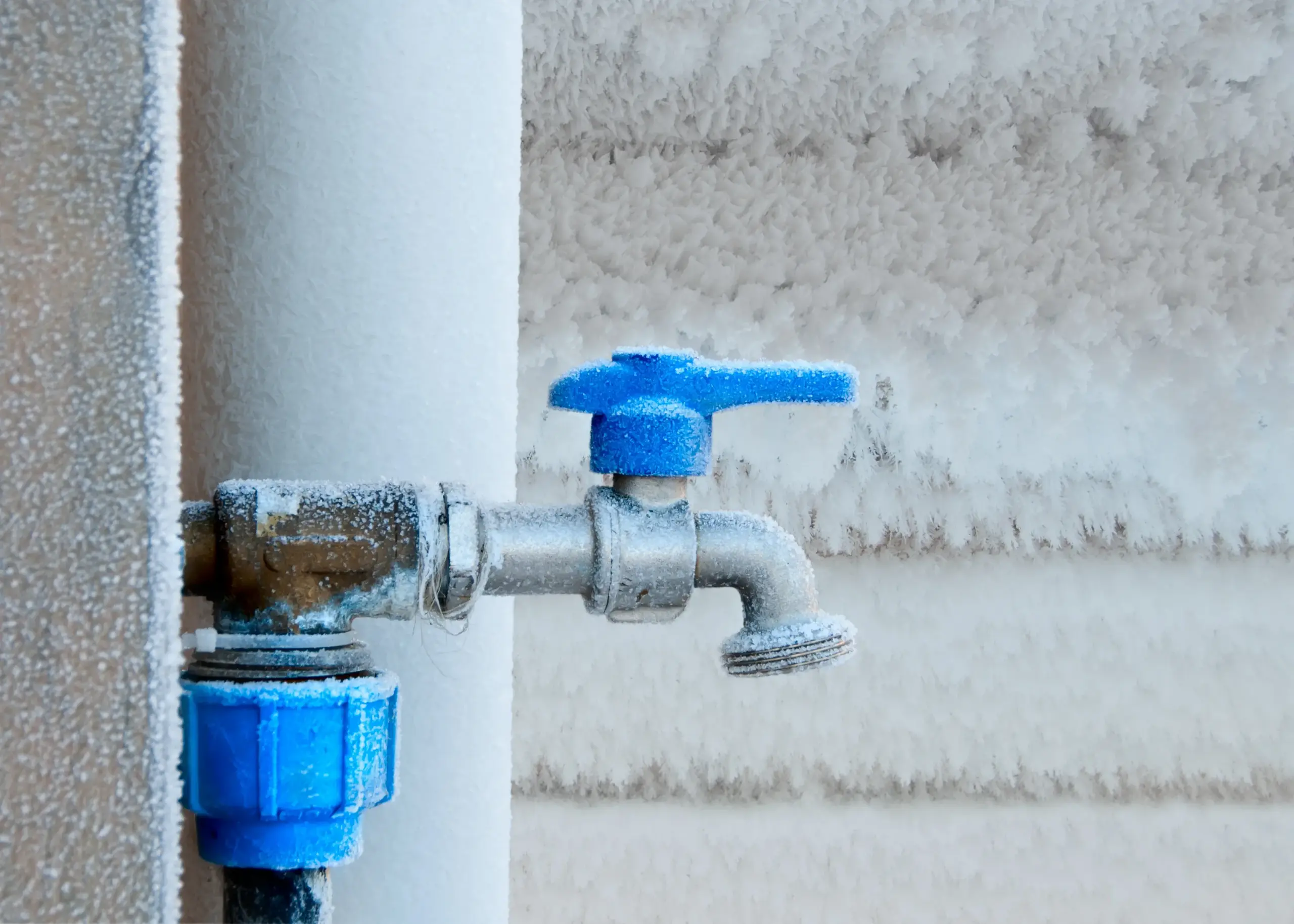
Plumbing leaks are a leading cause of structural damage. Older plumbing materials may corrode or fail over time. Regular inspection and timely replacement reduce the risk of water damage that shortens a home’s lifespan.
Electrical Systems and Safety Over Time
Electrical systems do not last forever and outdated wiring can pose safety risks. Upgrading electrical systems as standards change helps preserve both safety and functionality while extending a home’s useful life.
Foundation Quality and Longevity
The foundation supports the entire home and plays a critical role in how long do houses last. Proper drainage, soil conditions, and construction quality determine whether a foundation remains stable over time.
Why Inspections Matter for Long Term Ownership
Professional inspections help homeowners understand current conditions and future risks. Inspections identify aging components and maintenance priorities that affect longevity, making them essential for buyers and long term owners alike.
How Renovations Can Extend a Home’s Lifespan
Renovations play a significant role in extending how long do houses last by updating aging systems and addressing structural wear. Replacing outdated plumbing, upgrading electrical systems, and improving insulation help modernize homes and reduce long term deterioration. Strategic renovations protect both safety and value.
The Impact of Moisture Control on Longevity
Moisture control is one of the most important factors in determining how long do houses last. Poor drainage, roof leaks, and plumbing failures can accelerate decay and compromise structural integrity. Homes that manage moisture effectively remain durable for decades longer.
Why Older Homes Can Still Last Generations
Many older homes continue to perform well because they were built with durable materials and simpler structural designs. With proper maintenance and inspections, these homes often outlast newer properties that rely on lightweight materials. General housing lifespan research discussed within residential component life expectancy data supports this principle.
How Deferred Maintenance Shortens Home Lifespan
Deferred maintenance significantly reduces how long do houses last. Ignoring small issues such as minor leaks or foundation cracks allows damage to spread. Over time, these issues compound and become costly structural problems.
Understanding the Lifespan of Major Home Systems
Each system within a home has its own lifespan. Heating systems, plumbing materials, and roofing components require replacement at different intervals. Homeowners who track and replace systems proactively extend overall home durability.
How Home Inspections Protect Long Term Value
Professional home inspections help identify aging components before failure occurs. Inspections provide a clear roadmap for maintenance and repairs that support how long do houses last. This proactive approach reduces unexpected expenses and preserves property value.
Why Buyers Should Consider Lifespan During Purchase
Buyers who understand how long do houses last can make smarter purchasing decisions. Evaluating system age, maintenance history, and inspection findings helps buyers plan future expenses realistically.
How Sellers Benefit From Pre Listing Inspections
Sellers who obtain inspections before listing gain insight into the true condition of their home. Addressing issues early improves buyer confidence and demonstrates responsible ownership, which supports smoother transactions.
The Role of Climate Change in Home Longevity
Changing weather patterns affect how long do houses last by increasing exposure to moisture, heat, and storms. Research highlighted within climate impact studies shows how environmental stress accelerates material wear.
Conclusion
How long do houses last depends on construction quality, materials, environment, and ongoing maintenance. With proper care, many homes can last well over a century while continuing to provide safe and comfortable living spaces.
For homeowners, buyers, and real estate professionals throughout Northeast Ohio, Icon Home Inspectors brings over a decade of experience evaluating home conditions and longevity risks. Their inspections help clients make informed decisions that protect both investment and long term durability.