How long do home inspections take is one of the most common questions asked by homebuyers, sellers, and real estate professionals. Timing matters during a real estate transaction, and understanding how inspections fit into the overall schedule helps everyone plan more effectively. A home inspection is a detailed evaluation of a property’s condition, and the time required depends on several factors including size, age, layout, and overall condition of the home. Knowing what influences inspection duration allows buyers and sellers to prepare properly and avoid unnecessary stress.

What a Home Inspection Includes
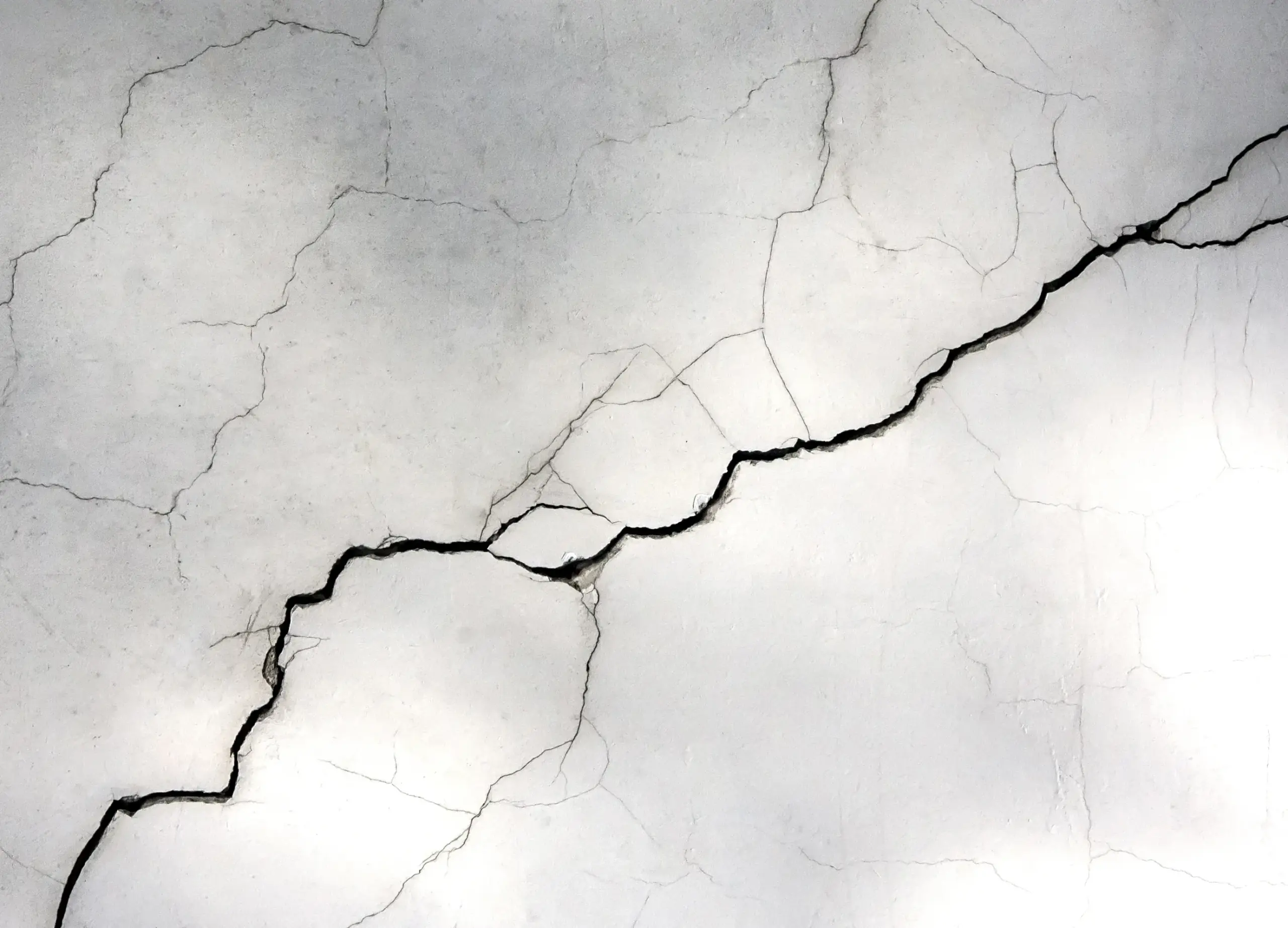
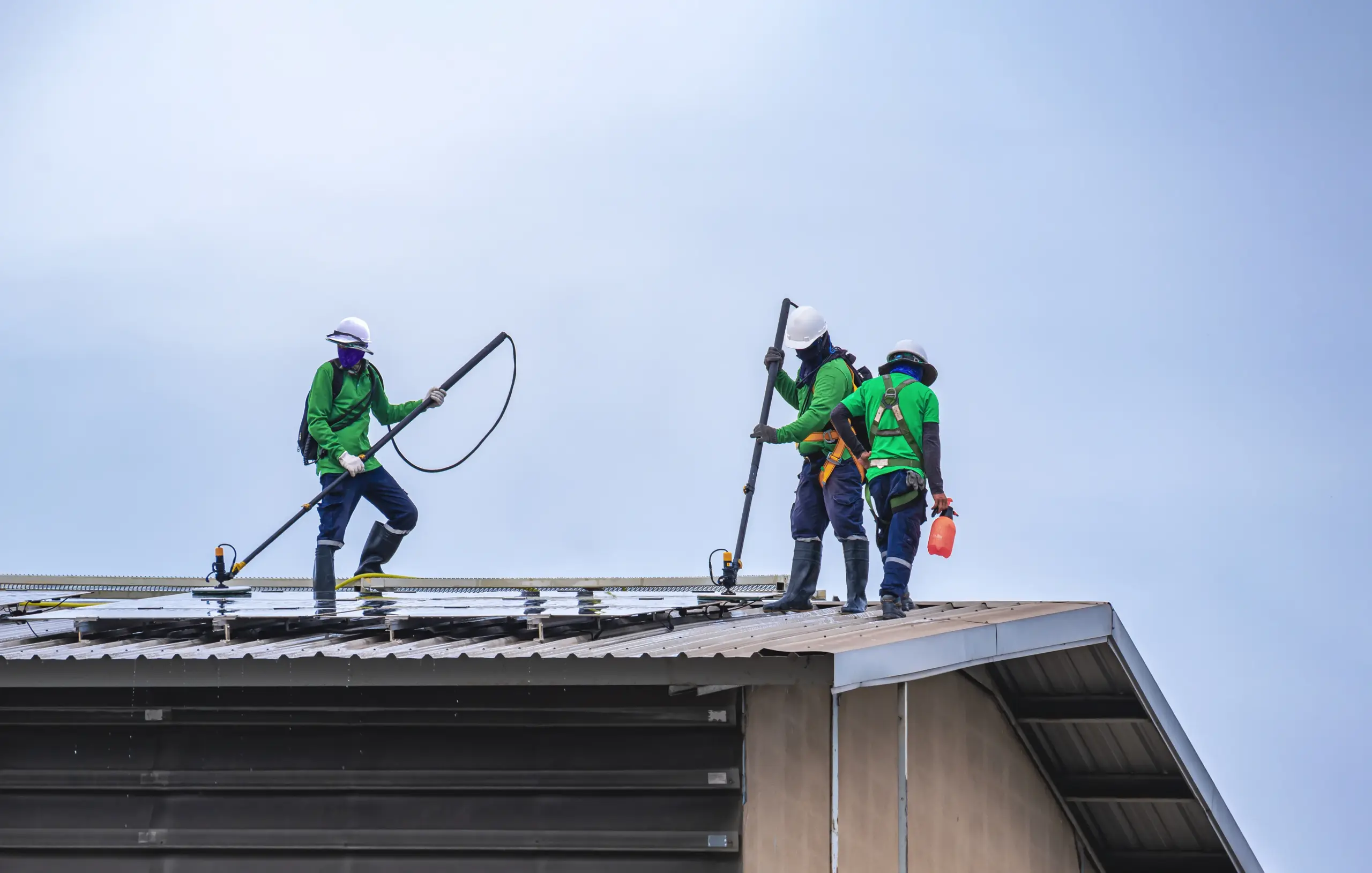
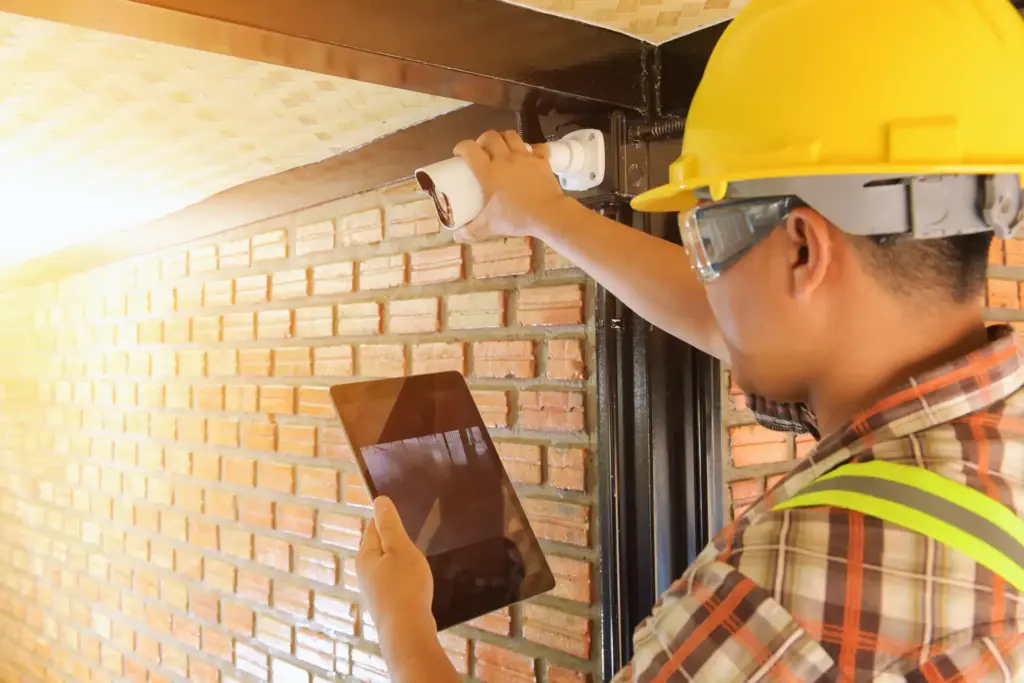
To understand how long do home inspections take, it is important to understand what inspectors evaluate during the process. A standard home inspection involves a visual assessment of the roof, exterior, foundation, structure, electrical systems, plumbing, HVAC systems, attic, insulation, interior components, and visible safety concerns. Inspectors also look for signs of water intrusion, structural movement, improper installations, and deferred maintenance that could affect the home’s condition or value.
Average Time for a Standard Home Inspection
In most cases, a standard home inspection takes between two and four hours. Smaller homes under 1500 square feet often fall closer to the two-hour range, while larger homes typically require additional time. When buyers ask how long do home inspections take, it is important to remember that thoroughness matters more than speed, and a longer inspection often indicates a more detailed evaluation.
How Home Size Affects Inspection Time
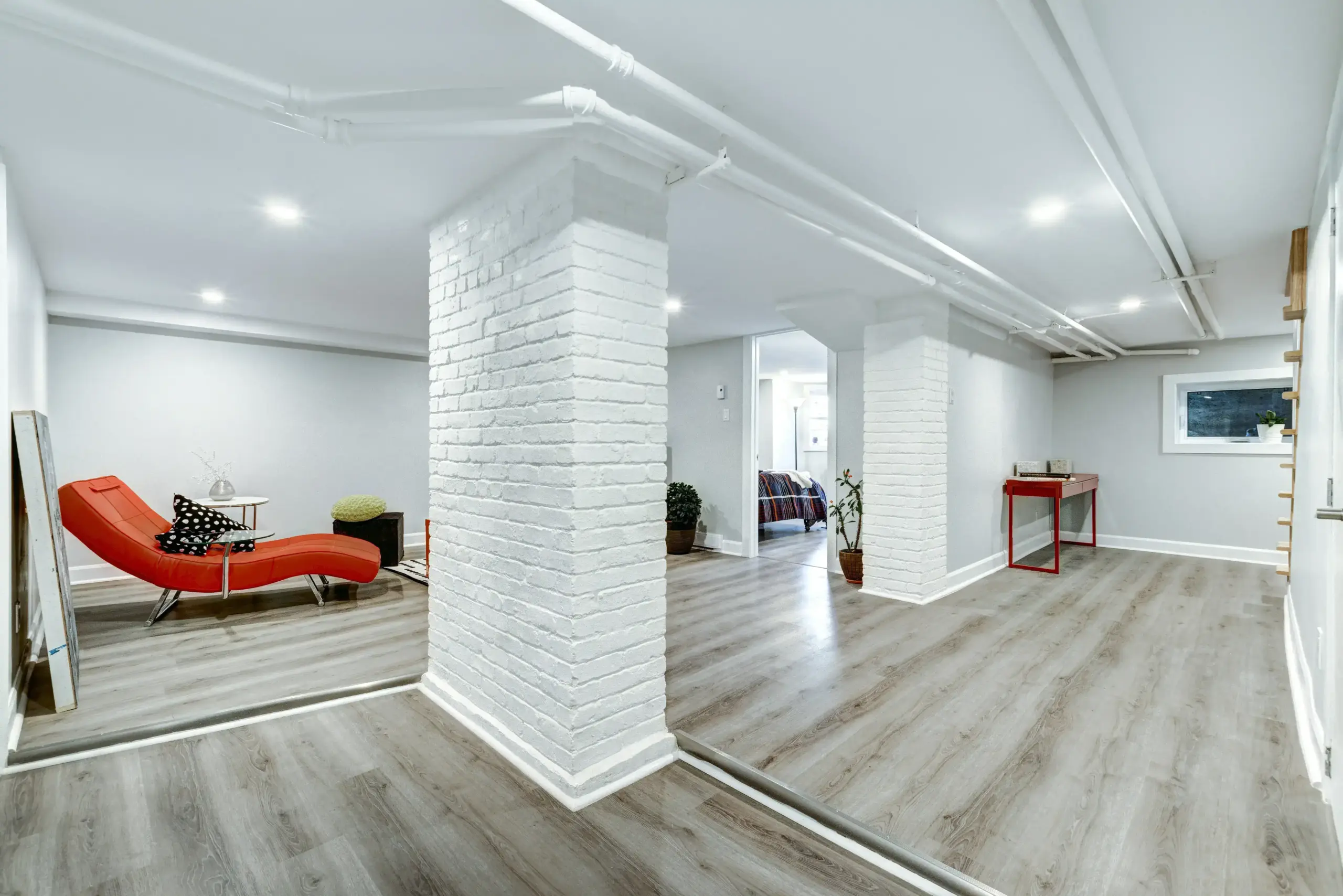
Square footage is one of the biggest factors influencing how long do home inspections take. Larger homes have more rooms, systems, and components to inspect, which naturally increases inspection time. Multi-story homes, homes with finished basements, and properties with multiple HVAC units or electrical panels also require additional inspection time to ensure nothing is overlooked.
Age of the Home and Its Impact
Older homes typically take longer to inspect because they often contain outdated systems, multiple renovations, and materials no longer used in modern construction. Inspectors must spend more time evaluating older wiring, plumbing materials, and structural elements. When considering how long do home inspections take, buyers of older homes should expect inspections to be on the longer end of the typical time range.
Condition of the Property
The overall condition of a home plays a major role in inspection duration. Well-maintained homes with visible upgrades and minimal issues are generally quicker to inspect. Homes with visible damage, deferred maintenance, or signs of water intrusion require closer examination. Inspectors may spend additional time documenting concerns and verifying the extent of potential problems.
Occupied Versus Vacant Homes
Whether a home is occupied can influence how long do home inspections take. Vacant homes often allow easier access to electrical panels, attic spaces, crawlspaces, and mechanical systems. Occupied homes may require additional coordination to access certain areas, which can add time to the inspection process.

Accessibility of Systems and Components
Inspection time can increase when systems are difficult to access. Blocked attic hatches, cluttered basements, locked electrical panels, or obstructed crawlspaces slow the process. Clear access allows inspectors to move efficiently and complete a thorough evaluation without delays.
Additional Services and Specialized Inspections
Buyers often request additional services such as radon testing, mold assessments, sewer scope inspections, or termite evaluations. These services can extend the overall inspection time. When asking how long do home inspections take, it is important to factor in whether supplemental inspections are included on the same day.
New Construction Inspections
New homes are often assumed to be problem free, but inspections are still essential. New construction inspections may take slightly less time, but inspectors still evaluate structural components, installations, and safety items. Issues such as improper grading, missing insulation, or incomplete installations are common findings even in newly built homes.

Buyer Attendance and Questions
Buyers are encouraged to attend inspections and ask questions. While buyer participation is valuable, it can also extend inspection time slightly. Inspectors who explain findings during the inspection often provide better understanding, which helps buyers make informed decisions later.
Weather Conditions and Inspection Duration
Weather can affect how long do home inspections take, especially when inspecting roofs, exteriors, and drainage systems. Rain, snow, or icy conditions may require inspectors to proceed cautiously or return for follow-up evaluations, which can impact scheduling and overall timelines.
How Long the Inspection Report Takes
While the on-site inspection typically lasts a few hours, the inspection process continues after the visit. Inspectors spend time compiling detailed reports with photos, descriptions, and recommendations. Most professional inspectors deliver reports within 24 to 48 hours, though some provide same-day delivery.
Why Rushing an Inspection Is a Mistake
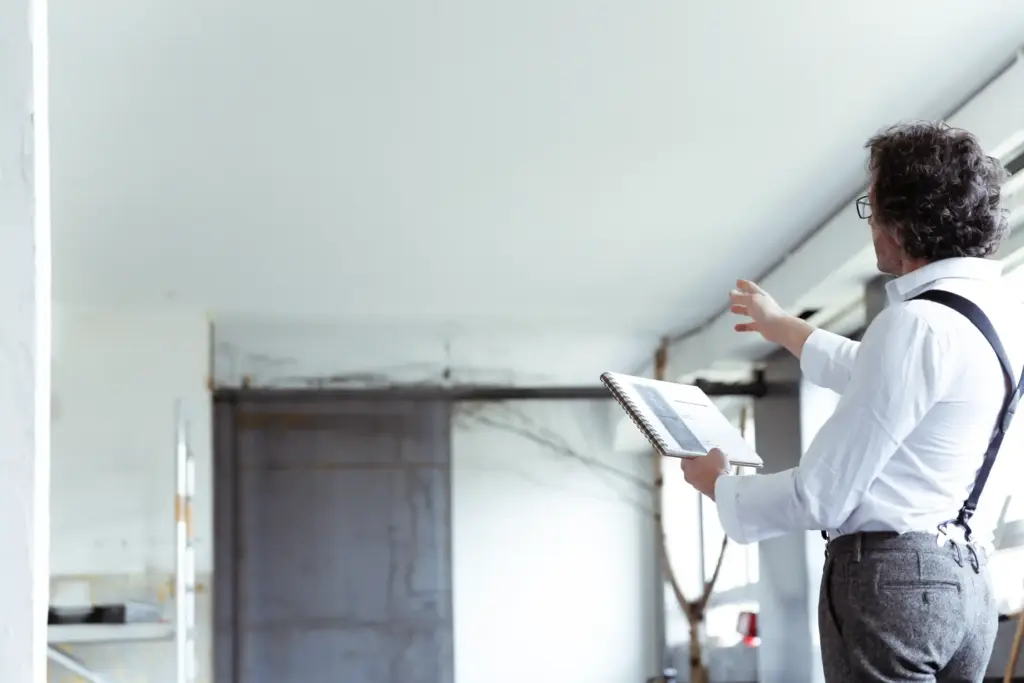
Some buyers worry when inspections take longer than expected, but a longer inspection is often a positive sign. Thorough inspections reduce surprises and support better negotiations. When buyers focus on how long do home inspections take, they should prioritize accuracy and detail over speed.
The Role of Inspections in Transaction Timelines
Home inspections are typically scheduled within a contingency period outlined in the purchase agreement. Understanding inspection duration helps buyers and sellers plan repair negotiations, follow-up inspections, and lender requirements without disrupting closing timelines.
How Inspections Help Sellers Prepare
Sellers also benefit from understanding how long do home inspections take, especially when scheduling showings and planning for buyer visits. Pre-listing inspections allow sellers to identify issues early and reduce delays once a buyer is under contract.
Regional Factors in Northeast Ohio
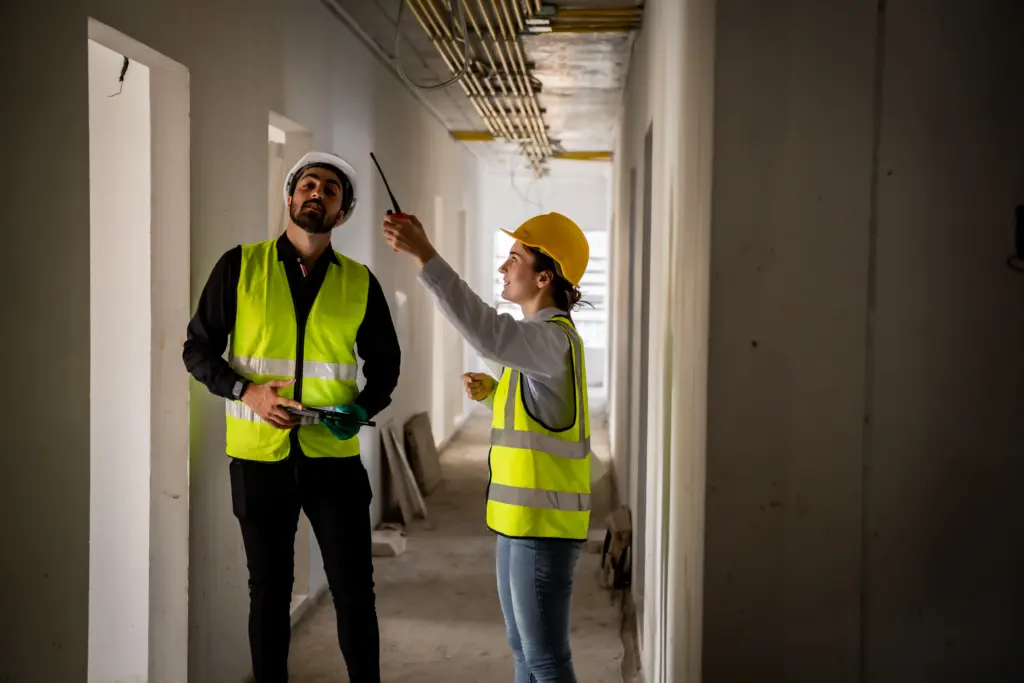
Homes in Northeast Ohio often require close inspection due to seasonal weather conditions, aging housing stock, and moisture-related concerns. These factors can slightly increase inspection time but also highlight the importance of thorough evaluations in the region.
High-Authority Insight on Inspection Timing
According to Investopedia, home inspections typically last several hours depending on size and condition, and rushing the process can lead to missed issues. The Consumer Financial Protection Bureau also emphasizes that inspections are a critical step in protecting buyers before finalizing a purchase.

Conclusion
How long do home inspections take depends on size, age, condition, accessibility, and additional services, but most inspections fall between two and four hours. This time investment plays a critical role in identifying issues, reducing risk, and supporting informed decisions for buyers and sellers.
For homeowners and buyers throughout Northeast Ohio, Icon Home Inspectors brings over a decade of experience delivering thorough, professional inspections. Their detailed approach ensures nothing important is overlooked, helping transactions move forward with clarity and confidence. Scheduling a professional inspection is one of the most important steps in any successful real estate transaction.