Does home inspection check for asbestos is a common question among buyers considering older homes. Asbestos was widely used in residential construction for decades due to its heat resistance and durability. Understanding what a home inspection includes and what it does not include helps buyers make informed decisions and avoid confusion during the inspection process.

Why Asbestos Is a Concern in Residential Properties
Asbestos becomes a health concern when materials containing it are disturbed or begin to deteriorate. Inhaling airborne asbestos fibers has been linked to serious long term health conditions. Homes built before the 1980s are more likely to contain asbestos in certain building materials.
What a Standard Home Inspection Covers
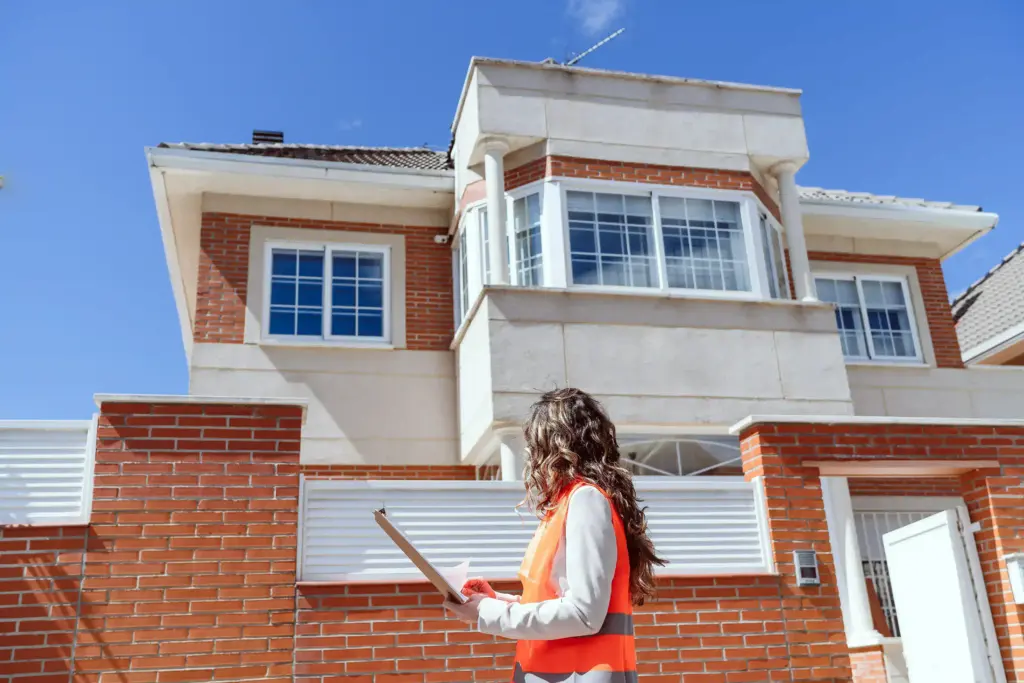
A standard home inspection evaluates visible and accessible components of a property such as roofing, structure, plumbing, electrical systems, heating, and cooling equipment. Inspectors look for safety issues and material defects but do not perform laboratory testing.
Limitations of Home Inspections Regarding Asbestos
Understanding does home inspection check for asbestos requires knowing the limitations of a visual inspection. Home inspectors do not take material samples or confirm asbestos presence because identification requires specialized testing and laboratory analysis.
Materials That May Contain Asbestos
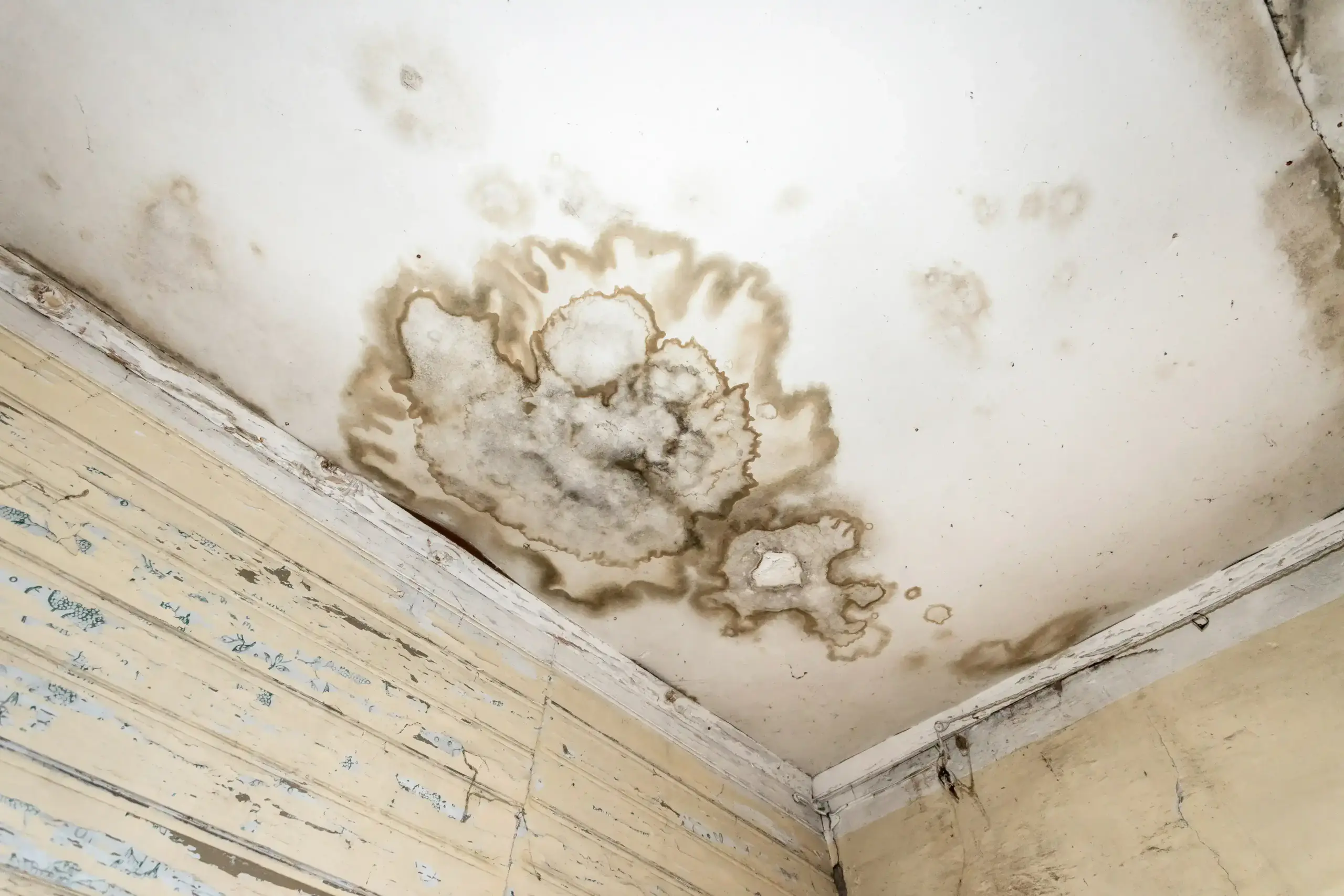
Asbestos may be present in insulation, floor tiles, ceiling textures, siding, pipe wrap, and certain roofing materials. Inspectors may note the presence of materials that are commonly associated with asbestos based on age and appearance.
How Inspectors Address Suspected Asbestos Materials
When inspectors observe materials that could contain asbestos, they typically recommend further evaluation by a licensed environmental professional. This approach informs buyers of potential risk without making unsupported claims.
Why Testing Is Not Included in Home Inspections
Asbestos testing requires specialized training, licensing, and controlled handling procedures. Because of these requirements, testing falls outside the scope of a general home inspection.

When Buyers Should Consider Asbestos Testing
Buyers may consider asbestos testing when purchasing older homes or when planning renovations that could disturb suspect materials. Testing helps buyers plan safely and budget appropriately.
The Difference Between Visual Identification and Confirmation
Inspectors can identify materials that may pose a risk but cannot confirm asbestos content without testing. Understanding this distinction is essential when reviewing inspection reports.
How Asbestos Concerns Affect Real Estate Decisions
Asbestos concerns may influence negotiations, repair discussions, or renovation planning. Addressing these issues early helps prevent delays or disputes later in the transaction.
Why Home Inspections Still Matter
Even though inspectors do not test for asbestos, professional home inspections remain essential. Inspectors identify suspect materials and guide buyers toward appropriate next steps.

What Asbestos Testing Involves
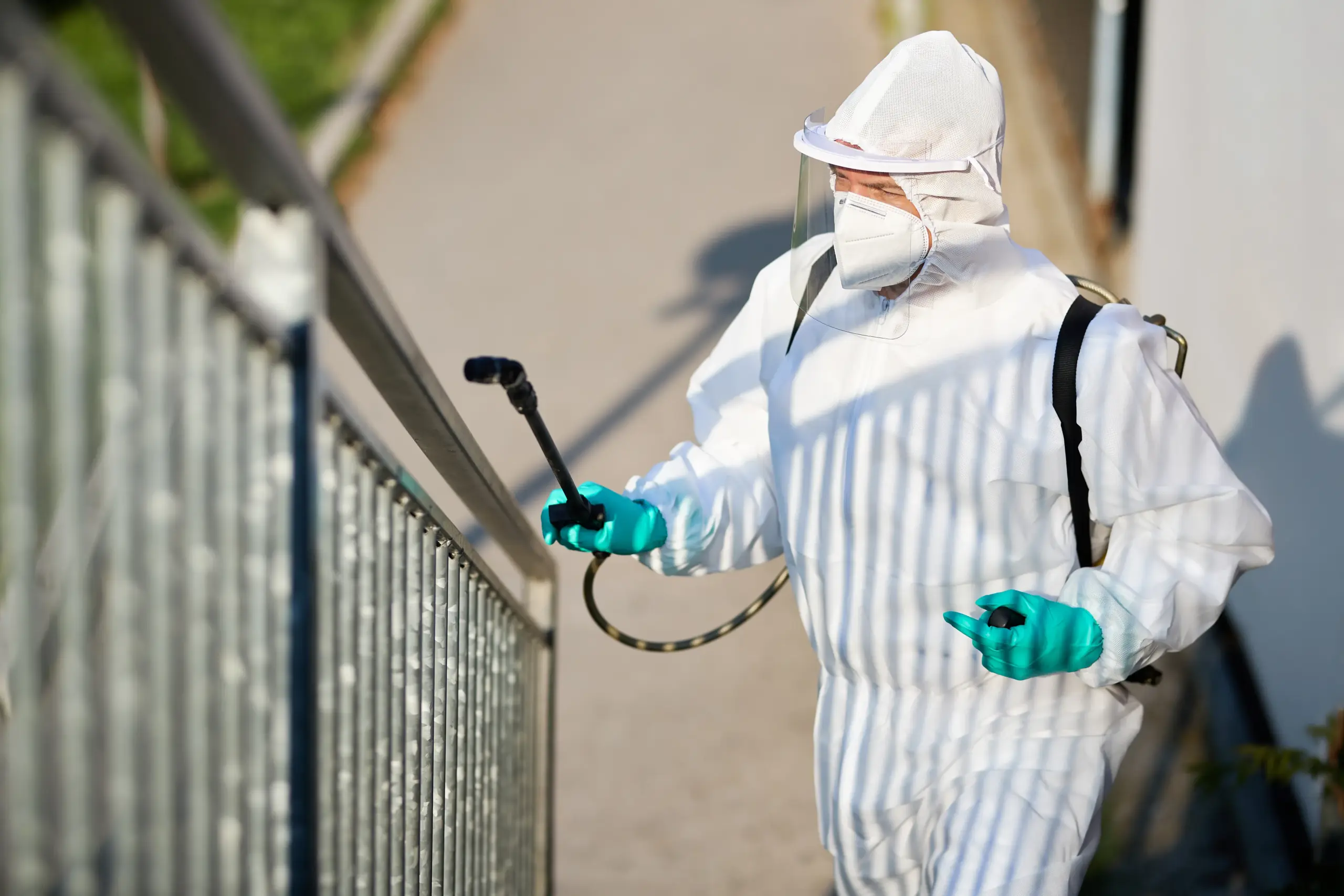
Asbestos testing involves collecting material samples and sending them to a certified laboratory for analysis. This process determines whether asbestos fibers are present and at what concentration. Because sampling can release fibers, testing must be performed by licensed professionals following safety protocols.
Typical Cost of Asbestos Testing
Asbestos testing costs vary based on the number of samples and laboratory fees. Most residential testing ranges from a few hundred dollars to over one thousand dollars depending on scope. Buyers should factor this cost separately since it is not included in a standard inspection.
How Asbestos Findings Affect Negotiations
When asbestos is confirmed, buyers may renegotiate purchase terms, request remediation, or adjust renovation plans. The presence of asbestos does not automatically stop a transaction, but it does affect decision making and long term planning.
Health and Safety Considerations
Health agencies emphasize that asbestos poses risk primarily when disturbed. Information shared through occupational health research explains why intact materials may be managed rather than removed in certain situations.
When Asbestos Removal Is Required
Asbestos removal is typically required when materials are damaged or will be disturbed during renovation. Removal must be handled by licensed abatement professionals to ensure safety and regulatory compliance.
Disclosure Requirements and Legal Considerations
Sellers may be required to disclose known asbestos conditions depending on state laws. Buyers benefit from understanding disclosure obligations before finalizing contracts. Educational guidance available through environmental protection resources outlines common disclosure expectations.
Why Inspectors Do Not Confirm Asbestos
Inspectors avoid confirming asbestos to prevent misidentification and liability. Laboratory testing remains the only reliable method for confirmation, which is why inspectors rely on observation and recommendations.
How Buyers Can Reduce Risk
Buyers reduce asbestos risk by understanding inspection limitations, budgeting for testing when appropriate, and avoiding unnecessary disturbance of suspect materials. Education and planning are key to safe ownership.
Addressing asbestos concerns early prevents delays and costly surprises later in the transaction. Buyers who understand does home inspection check for asbestos are better prepared to manage risk responsibly.
Conclusion
Does home inspection check for asbestos is best answered by understanding scope and limitations. Home inspections do not test for asbestos, but they play a critical role in identifying suspect materials and guiding next steps.
For buyers, sellers, and real estate professionals throughout Northeast Ohio, Icon Home Inspectors brings over a decade of experience identifying material risks and supporting informed decisions. Their inspections help clients navigate asbestos concerns with clarity and confidence.